Optimized COVID-19 response boosts expectations for business cooperation
- By Zhang Liying
 0 Comment(s)
 Print
Print E-mail China.org.cn, January 12, 2023


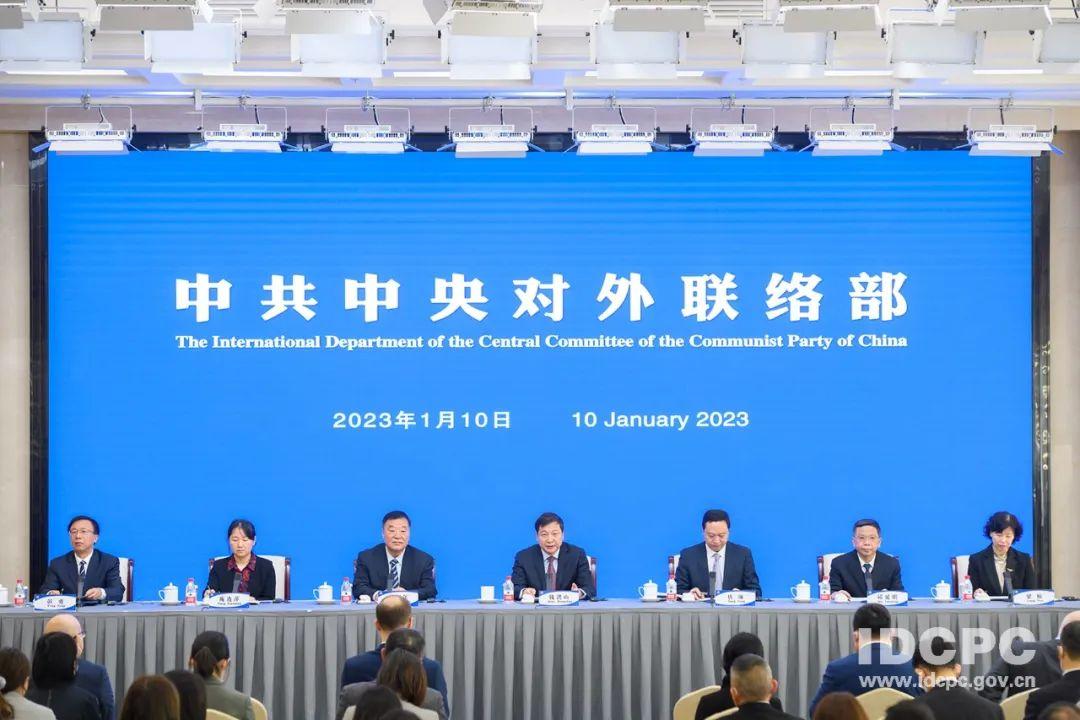
A briefing on China's COVID-19 policy held by the International Department of the Communist Party of China Central Committee (IDCPC) in Beijing, Jan. 10, 2023. [Photo courtesy of the IDCPC]
The International Department of the Communist Party of China Central Committee (IDCPC) hosted a briefing on Tuesday to explain China's optimization of its COVID-19 response, boosting confidence among the foreign business community in bilateral and multilateral trade and economic cooperation.
Nearly 170 representatives of more than 120 business associations and well-known enterprises from over 30 countries and regions attended the event in Beijing.
At the briefing, officials from the National Health Commission (NHC), the Ministry of Commerce (MOC), the General Administration of Customs, the National Immigration Administration, and the Civil Aviation Administration of China (CAAC) introduced the optimized COVID-19 measures and answered questions.
Coordinating COVID-19 measures with socioeconomic development
Qian Hongshan, vice minister of the IDCPC, said that over the past three years, China has been coordinating epidemic prevention and control with socioeconomic development, protecting people's lives while minimizing the socioeconomic impacts of the pandemic.
Liang Wannian, head of the COVID-19 response expert panel under the NHC, said China has effectively coped with over 100 outbreaks of COVID-19, avoided widespread infections from the original strain and the delta variant, which are relatively more pathogenic than other variants, and managed to maintain low rates of severe illness and mortality.
These steps bought precious time for the development and application of vaccines and medicines as well as the preparation of medical resources, Liang said.
China was the only major economy to achieve positive growth in the pandemic-ravaged year of 2020, and its GDP expanded 8.1% year on year to 114.37 trillion yuan ($16.89 trillion) in 2021, which put the two-year average growth at 5.1%. The country's annual GDP is expected to have exceeded 120 trillion yuan last year.
Tang Song, second-level inspector at the Department of Foreign Investment Administration of the MOC, said China's actual use of foreign capital has expanded over the past three years.
Tang said that in the first 11 months of 2022, foreign direct investment into the Chinese mainland, in actual use, rose 9.9% year on year to nearly 1.16 trillion yuan.
Yuval Ben Sadeh, chairman of IsCham, was impressed by how swiftly and effectively China responded to the pandemic while keeping the economy moving forward.
He said: "When the pandemic started, it was great to see how China changed from facing a shortage of masks and equipment to supplying the rest of the world with medical aid in a very short period of time. I still remember some special flights to Israel that came with the equipment."
"I was here [in China] almost during all the time of the pandemic and I think we could see how the economy continued to work. It had some distractions, but still it has continued to grow."
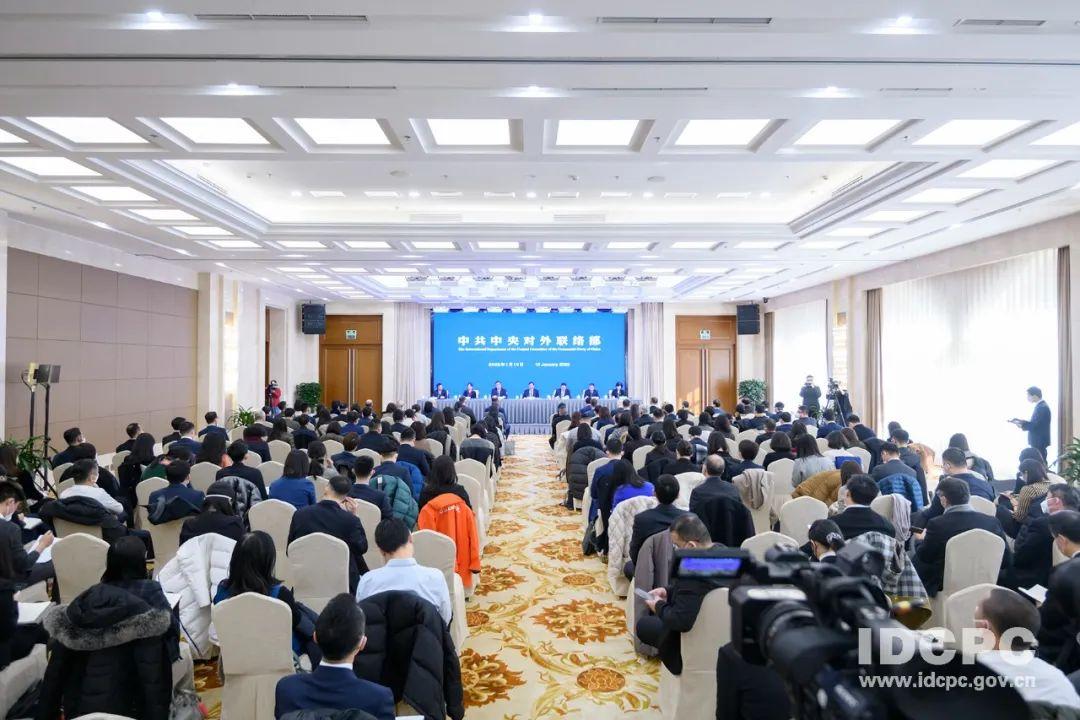
A briefing on China's COVID-19 policy held by the International Department of the Communist Party of China Central Committee (IDCPC) in Beijing, Jan. 10, 2023. [Photo courtesy of the IDCPC]
A new phase in the COVID-19 response
On Jan. 8, China started managing COVID-19 with measures designed for combating category B infectious diseases, instead of category A infectious diseases.
Liang said the optimization would make China's COVID-19 response more science-based, targeted and efficient.
He explained that the current focus of China's COVID-19 response is shifting from infection prevention to "health protection and severe illness prevention," and the country is improving its medical treatment, stepping up protection for key groups, strengthening epidemic response in key places and rural areas, and increasing the supply of medicines and other materials.
In line with the optimized COVID-19 strategy, adjustments have been made to facilitate the safe and orderly cross-border travel of Chinese and foreign nationals and international exchange and cooperation.
According to the briefing, China has now canceled nucleic acid tests for international arrivals, and inbound travelers to the country are advised to take a nucleic acid test within 48 hours before their departure.
Meanwhile, measures have been taken to improve the application process for exit documents by mainland residents, the handling of entry, exit, stay and residence for foreigners, and customs clearance services, said the briefing.
Liang Nan, director of the Transport Department of the CAAC, said that the administration is promoting the safe and smooth resumption of international passenger flights.
"The CAAC started to accept the flight plan applications of Chinese and foreign airlines on Jan. 8," Liang said. "Nearly 40 Chinese and foreign airlines have submitted applications for about 700 passenger flights involving 34 countries per week. Most of the flights are scheduled to resume operations from late January to February."
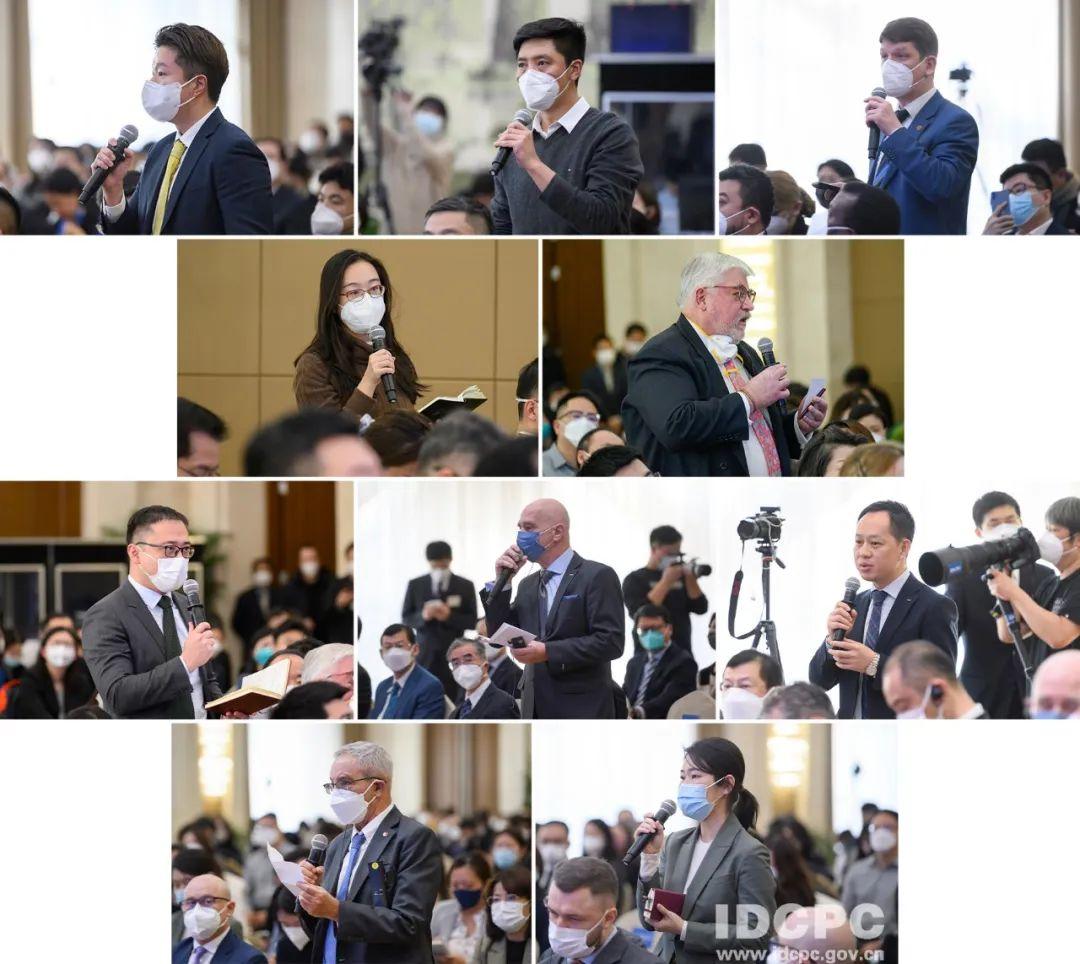
Representatives of foreign business associations and enterprises ask questions at a briefing on China's COVID-19 policy held by the International Department of the Communist Party of China Central Committee (IDCPC) in Beijing, Jan. 10, 2023. [Photo courtesy of the IDCPC]
A future full of promise
China's fine-tuning of its COVID-19 response has bolstered people's confidence in the country's improved growth momentum, increased opening-up and greater contributions to the global economic recovery.
According to Tang, during the MOC's one-on-one visits, many foreign-funded enterprises and international business associations said the optimized measures were "timely and exciting," "solved the major problem of foreign nationals coming to China" and "made their development expectations in China more stable."
A number of foreign companies are making plans for their senior executives to visit China, and promoting the resumption of relevant projects, Tang said.
Lu Hai, director of Public Affairs at MexCham, said the adjusted measures would promote economic and trade cooperation between China and Mexico, particularly in the tourism sector.
"In 2019, Mexico received more than 100,000 Chinese tourists," he said. "We expect that from the second quarter to the second half of this year, the tourism exchanges between China and Mexico and other Latin American countries will further recover. We are looking forward to it."
Pierre Mirochnikoff, vice president of the French Chamber of Commerce in China, highlighted the importance of cooperation between Europe and China and said that now is the time to work together to create better business relationships.
Qian Hongshan said that as a major trading partner of more than 140 countries and regions, China will open up more sectors of the economy in a more thorough way to increase space for win-win cooperation between China and the rest of the world.


Go to Forum >>0 Comment(s)