-
October 12, 2026
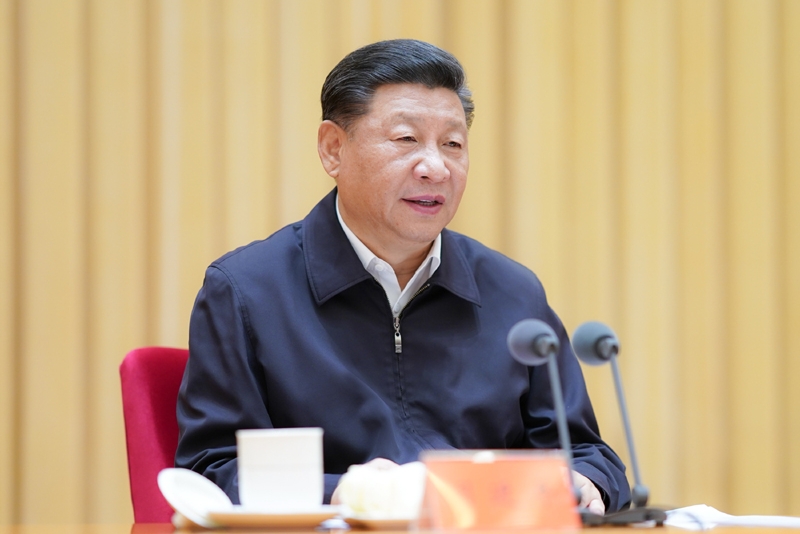
Xi leads efforts toward building Healthy China
From targeted advances in key areas to nationwide coverage of inclusive health services that meet basic needs, China, a country of more than 1.4 billion people, has blazed a path of inclusive and balanced health development.
-
September 30, 2026
Xi's article on people's wellbeing to be published
An article by Xi Jinping, general secretary of the Communist Party of China (CPC) Central Committee, on improving the people's wellbeing will be published on Thursday.
-
September 26, 2026
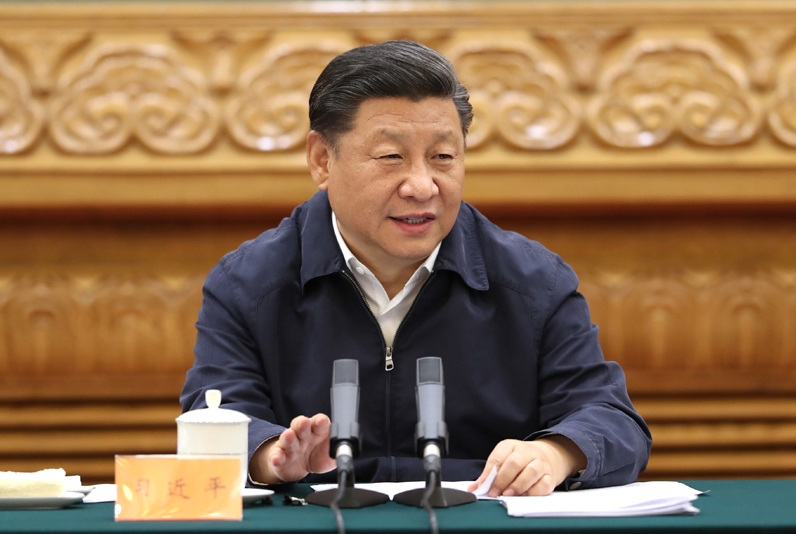
Volume I of 'China's Governance Under Xi Jinping's Leadership' presented at Jordan book fair
A promotional event for the first volume of "China's Governance Under Xi Jinping's Leadership," compiled by Xinhua News Agency, was held on Thursday at the 25th Amman International Book Fair in Jordan's capital.
-
September 23, 2026
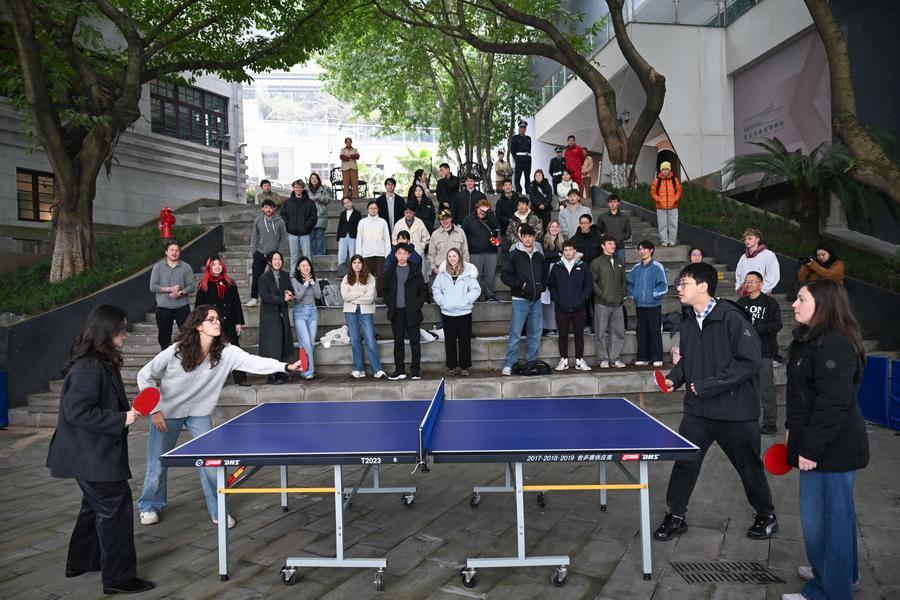
Xi builds friendship across the Pacific
For many years, Chinese President Xi Jinping has consistently championed people-to-people friendship between China and the United States, seeking to bring the Chinese and Americans ever closer and rally stronger public support for the two countries to get along.
-
September 23, 2026
Xi's upcoming US visit to chart course for bilateral ties
At the invitation of U.S. President Donald Trump, Chinese President Xi Jinping will pay a state visit to the United States from Sept. 23 to 25, marking an exchange of visits between the two leaders within six months.
-
September 22, 2026
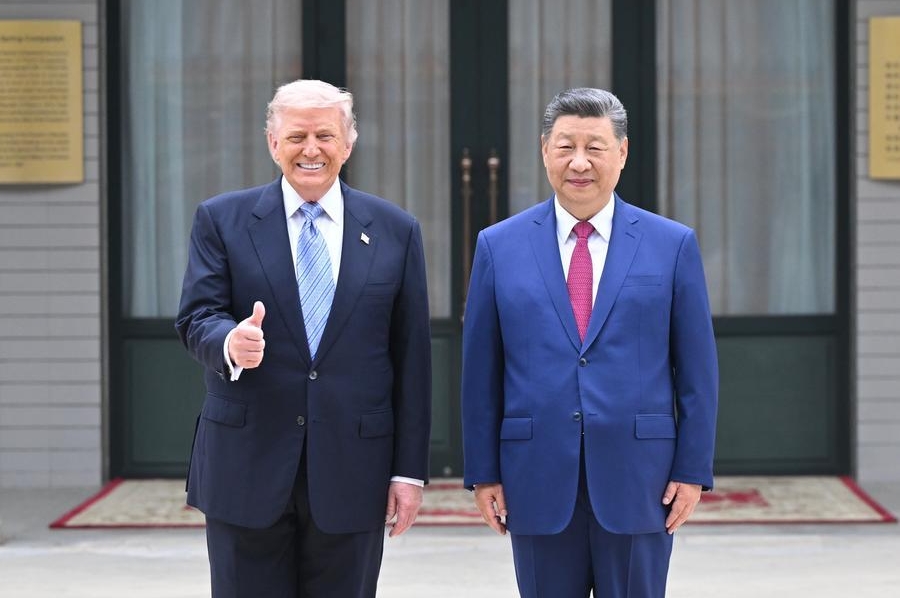
Xi steers China-US relations toward stability
Chinese President Xi Jinping is set to travel to Washington for a state visit and a high-stakes meeting with U.S. President Donald Trump.
-
September 21, 2026
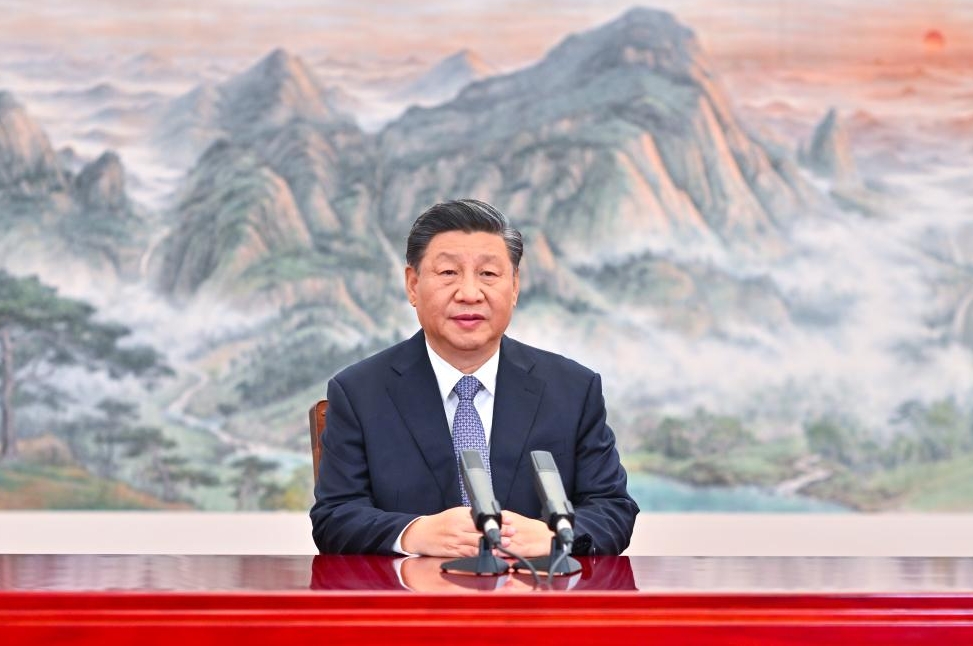
Five years on, China's Global Development Initiative delivers tangible progress
"Stay committed to putting development first, and open up the prospects for shared prosperity." At the Shanghai Cooperation Organization (SCO) summit in Bishkek this year, Chinese President Xi Jinping once again called on countries to make development a priority.
-
September 20, 2026
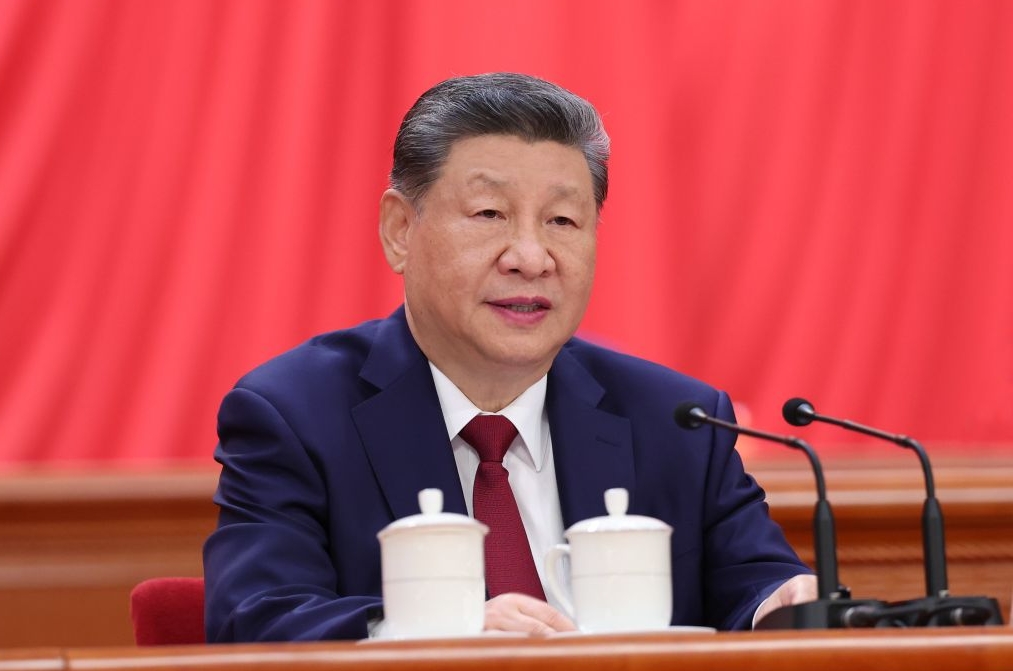
Xi Focus: Steering China's strides toward manufacturing powerhouse
Defying intense pressures at home and abroad, China's manufacturing sector has forged ahead, accelerating the construction of a modern industrial system with advanced manufacturing as its backbone, and solidifying the foundations for high-quality development.
-
September 15, 2026
Xi's article on advancing basic research to be published
An article by Xi Jinping, general secretary of the Communist Party of China (CPC) Central Committee, on strengthening basic research will be published on Wednesday.
-

September 11, 2026
From Bishkek to New Delhi, Xi advocates Global South cooperation
Chinese President Xi Jinping is heading to New Delhi for this year's BRICS gathering just over a week after he took part in the Shanghai Cooperation Organization (SCO) summit in the Kyrgyz capital of Bishkek.
-

September 11, 2026
Beyond classrooms: Xi inspires teachers to nurture talent for national rejuvenation
As millions of teachers across China celebrated Teachers' Day on Thursday, they received a familiar message of greetings from President Xi Jinping.
-

September 10, 2026
Xi's Central Asia, Middle East tour injects certainty, positive energy into world in flux
Chinese President Xi Jinping made a five-day trip to Central Asia and the Middle East from Aug. 30 to Sept. 3, during which he attended the 2026 Shanghai Cooperation Organization (SCO) Summit and paid state visits to Kyrgyzstan and Egypt, sending strong messages that inject certainty and positive energy into a turbulent and changing world.
-
September 7, 2026
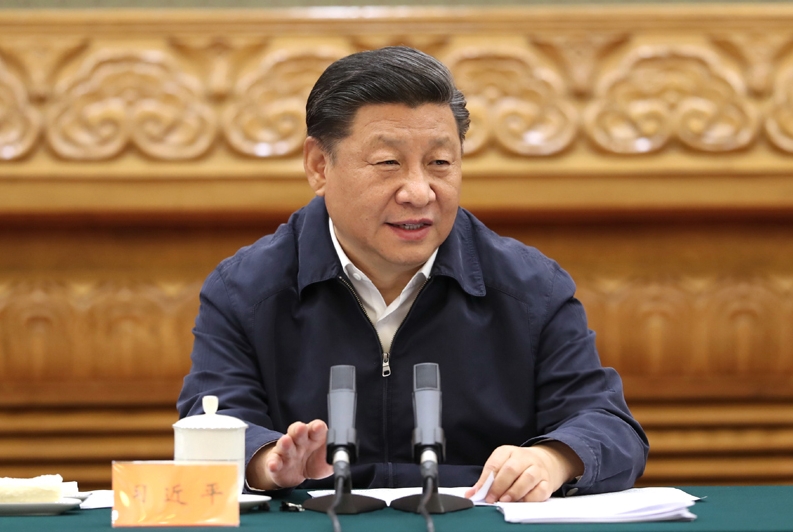
Book introducing Xi Jinping Thought on Ecological Civilization published
A book introducing Xi Jinping Thought on Ecological Civilization has been published by the Higher Education Press and the People's Publishing House.
-
September 5, 2026
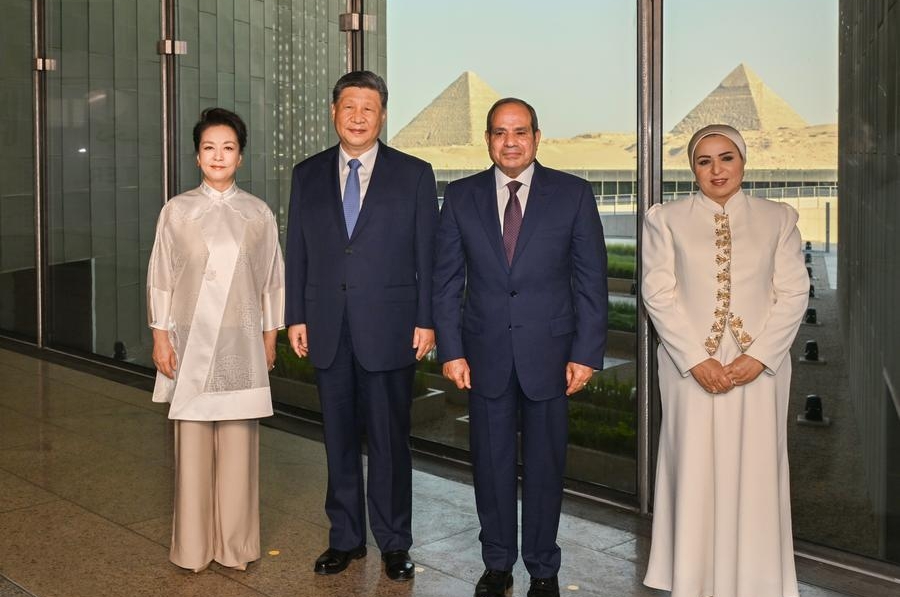
Xi's cultural journey through museums
Chinese President Xi Jinping and his wife, Peng Liyuan, visited the museum on Wednesday during his state visit to Egypt, where they were warmly received by Egyptian President Abdel Fattah El-Sisi and his wife.
-
September 3, 2026
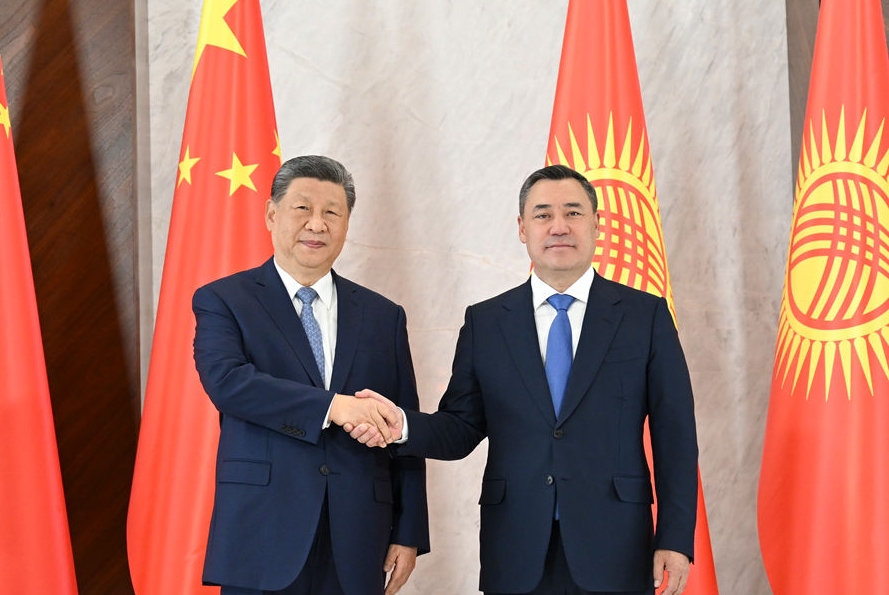
Global resonance of Xi's selfless commitment to the people
On the morning of August 31, during talks with Chinese President Xi Jinping, Kyrgyz President Sadyr Japarov expressed admiration for the remarkable development achievements China has made under the leadership of Xi, and voiced willingness to learn from China's experience in state governance, particularly Xi's commitment to the people, as embodied in his words, "I will fully commit to the people and never fail them."
-
August 31, 2026
Xi's article on Party self-governance to be published
An article by Xi Jinping, general secretary of the Communist Party of China (CPC) Central Committee, on the Party's self-governance will be published on Tuesday.
-
August 28, 2026
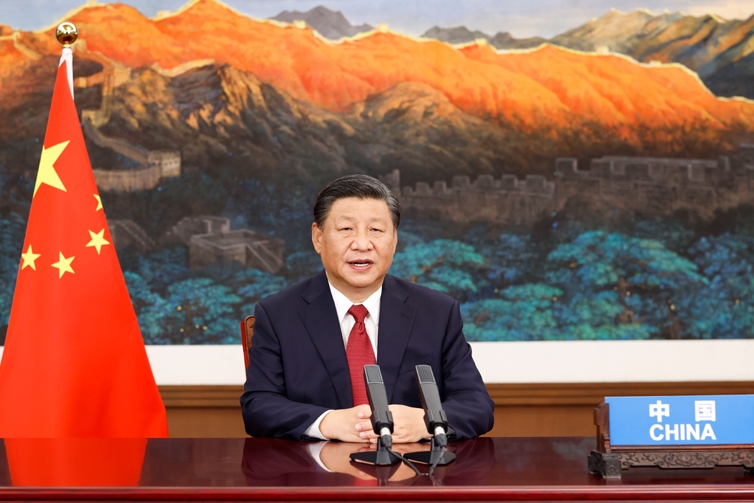
Xi's SCO attendance, state visits to energize regional cooperation, global development
Chinese President Xi Jinping will attend the Shanghai Cooperation Organization (SCO) Summit 2026 in Bishkek and pay state visits to Kyrgyzstan and Egypt from Aug. 30 to Sept. 3.
-

August 28, 2026
Selected works of Xi Jinping on culture published
The first and second volumes of selected works of Xi Jinping, general secretary of the Communist Party of China (CPC) Central Committee, on culture have been published.
-
August 27, 2026
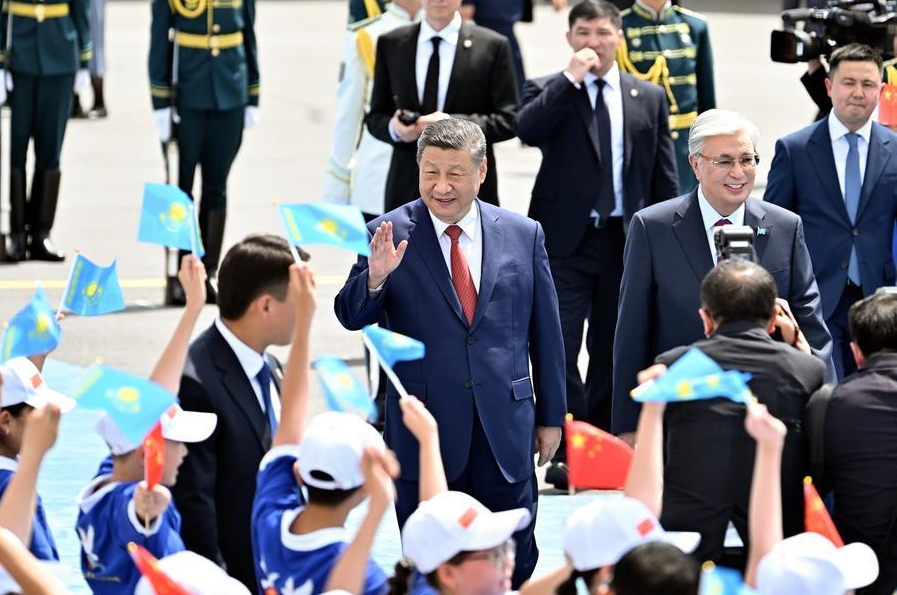
Xi advances a shared future with China's neighbors
Picked fresh in Kyrgyz villages in the morning, cherries and melons can now travel hundreds of kilometers and reach markets in Kashgar, an oasis city in the southwestern corner of China's Xinjiang Uygur Autonomous Region, by evening.
-
August 15, 2026
Xi's article on enhancing disaster management capabilities to be published
An article by Xi Jinping, general secretary of the Communist Party of China (CPC) Central Committee, on enhancing disaster prevention, mitigation and relief capabilities will be published on Sunday.
-
August 15, 2026
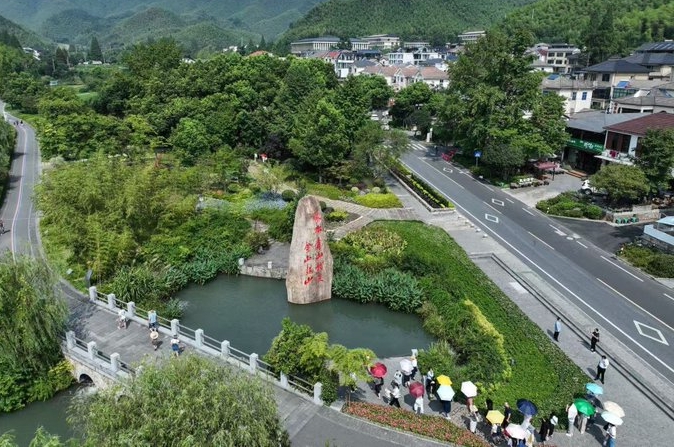
Xi Focus: Charting a green path to development
China's landmark Ecological and Environmental Code, which for the first time enshrines Xi Jinping Thought on Ecological Civilization in law, will take effect on Saturday.
-
August 14, 2026
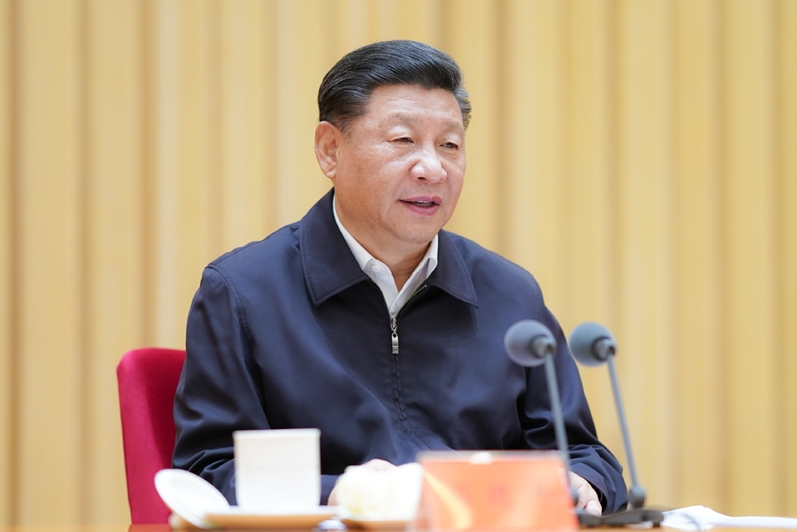
Xi Story: The rain, the caves and the quest to preserve Mogao Grottoes
In Dunhuang, an ancient Silk Road city in northwest China, even rain has caught the attention of Chinese President Xi Jinping.
-
August 13, 2026
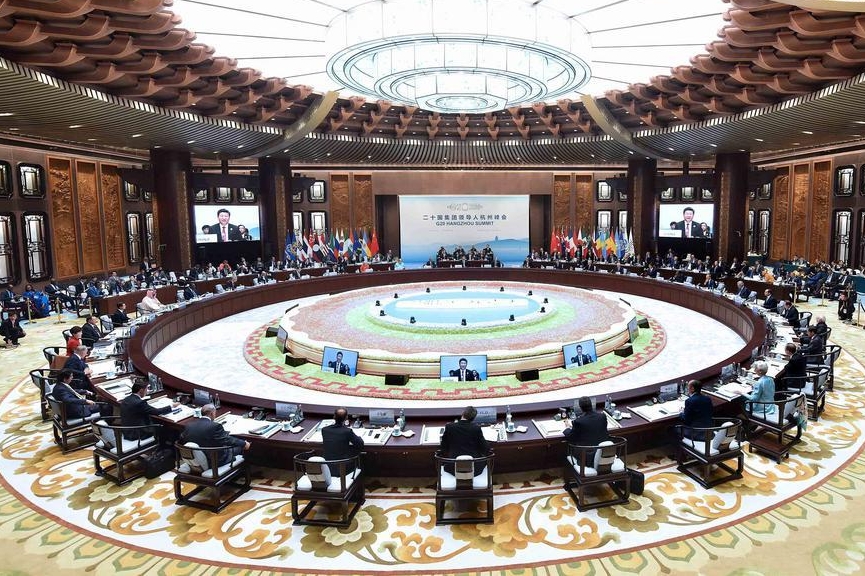
Xiplomacy: Hosting the world, building the future
As southern China's metropolis of Shenzhen prepares to host the 33rd Asia-Pacific Economic Cooperation Economic Leaders' Meeting in November, China is once again extending its welcoming arms to leaders from around the world.
-
August 11, 2026
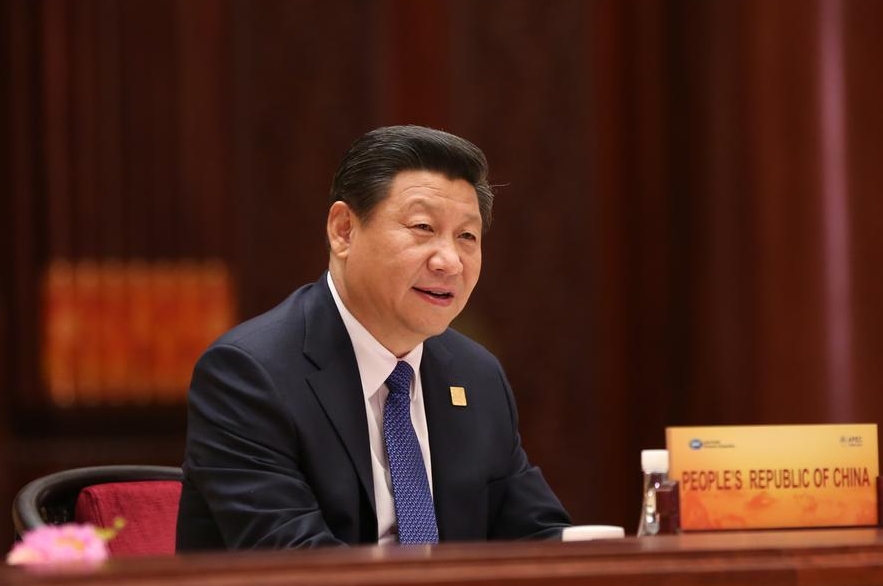
Xiplomacy: From promise to progress
On a crisp autumn day in Beijing, a clear blue sky stretched above the Chinese capital as world leaders gathered for the 2014 Asia-Pacific Economic Cooperation (APEC) Economic Leaders' Meeting.
-
August 9, 2026
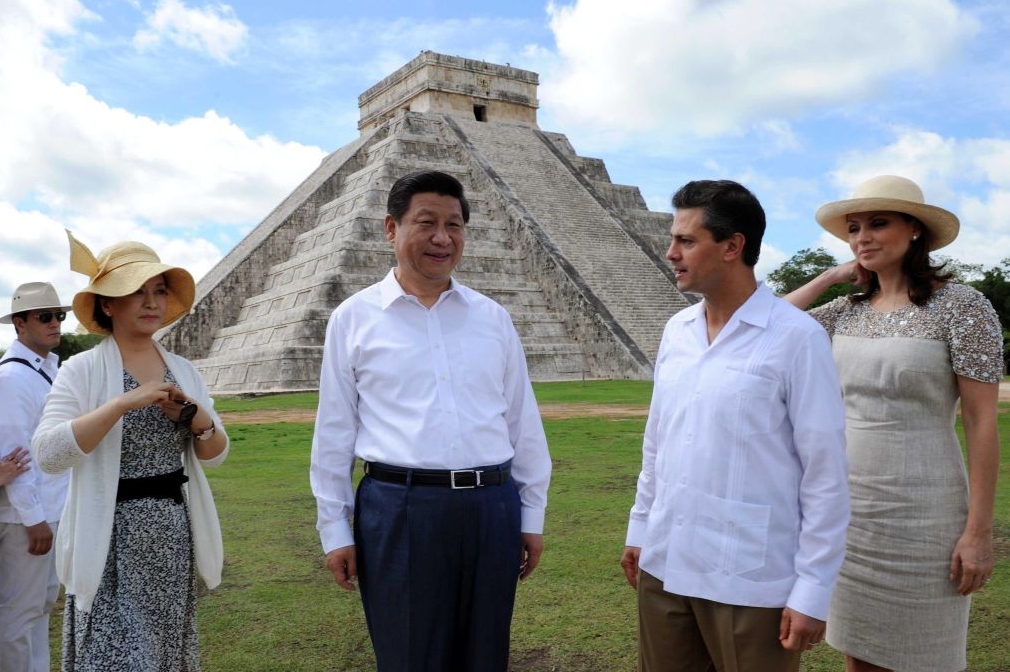
Xiplomacy: A journey of dialogue among civilizations
In recent years, China has stepped up efforts to promote closer understanding and mutual appreciation among different civilizations.
-
August 7, 2026
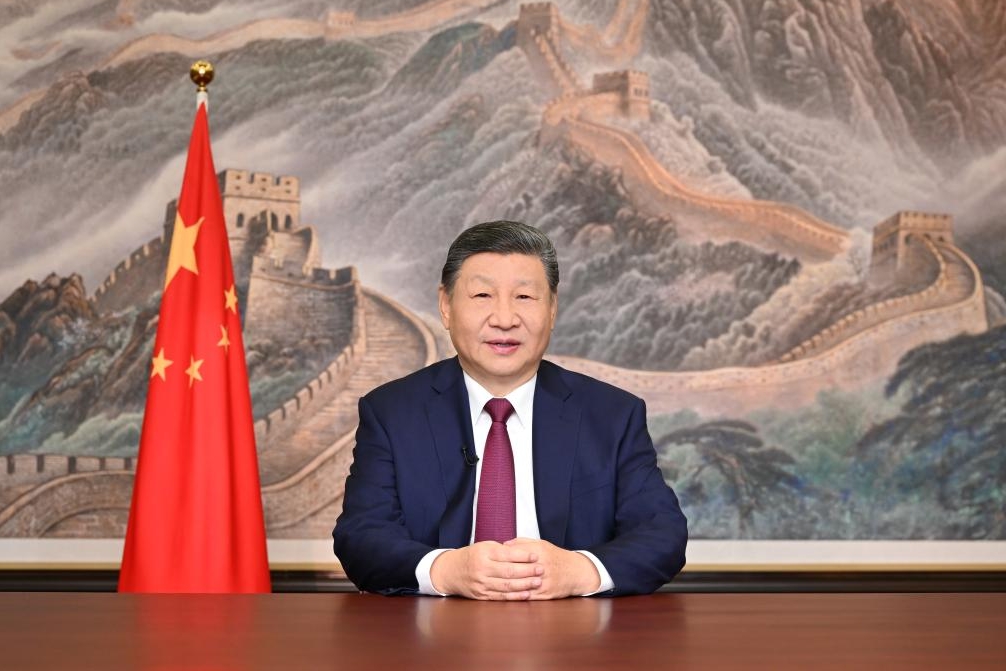
Xiplomacy: Pursuing the greater good for all
Through years of active participation in global climate governance and efforts to inspire younger generations to protect the planet, Xi has also called for building a community of all life on Earth in a bid to promote sustainable development for humanity.
-
August 7, 2026
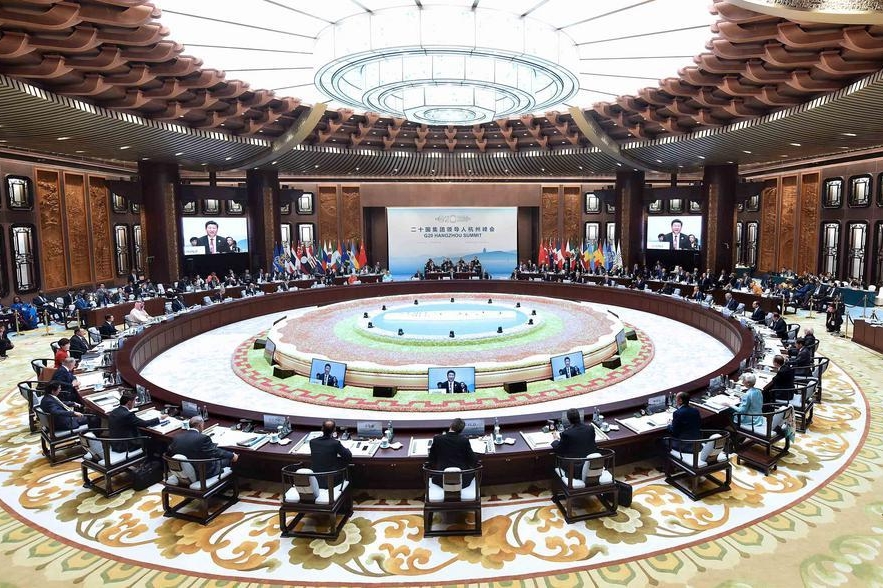
Xiplomacy: Hosting the world, building the future
Over the years, China has hosted a series of major diplomatic gatherings that have brought together world leaders. More than simply platforms for dialogue, these occasions have showcased China's vision for global cooperation and offered a glimpse of President Xi Jinping's approach to diplomacy.
-
August 7, 2026
Reading seminar on Xi's book on governance held in Tajikistan
A reading seminar on the fifth volume of "Xi Jinping: The Governance of China" was held Wednesday in Dushanbe, the capital of Tajikistan.
-
August 5, 2026
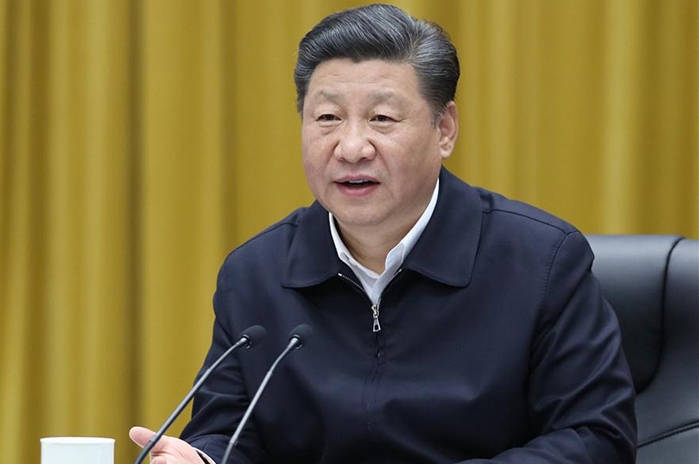
Xi Story: Six-foot alley reveals Chinese wisdom of making room for others
When Chinese President Xi Jinping visited Liuchi Alley during an inspection tour in Anhui in October 2024, he paused before a wall recounting the story. Xi noted that the alley exemplifies the ancestral wisdom of dispute resolution and should serve as an educational site for carrying forward traditional Chinese culture, and that full play should be given to China's traditional virtue of courtesy and modesty, so as to create a harmonious social environment where people can live and work in peace and happiness.
-
July 31, 2026
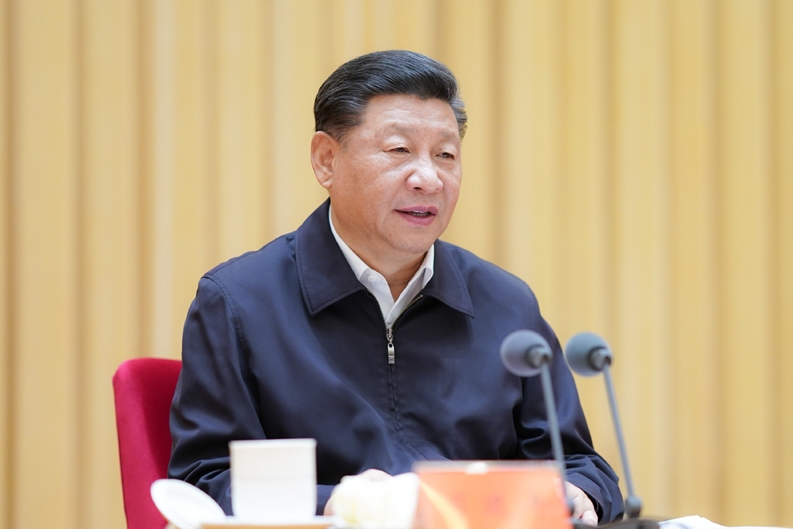
Xi's article on China's healthcare development to be published
An article by Xi Jinping, general secretary of the Communist Party of China (CPC) Central Committee, on advancing the Healthy China initiative will be published on Saturday.

