Highway to Chengde
 0
0 


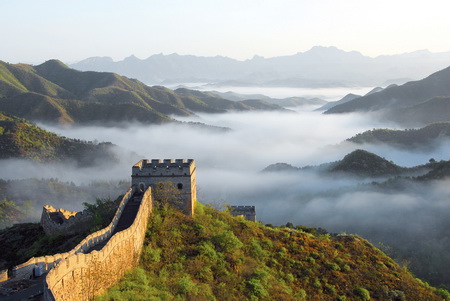
In the 18th century, Qing dynasty emperors ordered the construction of a vast complex of buildings in the city of Chengde with the specifi c purpose of providing a habitable resort away from the sweltering heat of the capital.
The result is deep in Hebei province, now one of China's tourism jewels. This week, it comes even closer to the hearts of Beijingers with Sunday's completion of the third and final stage of the Beijing-Chengde highway. Never has the Chengde Mountain Resort been more attractive and accessible for a surprise visit from tourists or historical enthusiasts.
The Chengde section of the road stretches from the Simatai area of the Great Wall in the south to downtown northern Chengde, a distance of around 76 kilometers at a speed limit of 80 km/h. With a two-way four-lane expanse, the average driver can expect a relatively painless two-hour round-trip (with the possible exception of this October's upcoming holiday!).
It is a journey that is well worth making. The route to the hunting ground is marked with temporary royal residences, which formed the Mountain Resort for which Chengde is now famed. Hand-picked as an imperial getaway from the then-city of Peking by the Kangxi emperor himself, the Chengde resort took a little under a century to build (from 1703 to 1792).
In fact, the name Chengde Mountain Resort literally translates as 'avoiding-theheat mountain villa', as it is estimated that the area enjoys a temperature that is around three degrees (celsius) cooler than the rest of the city. The layout of the palace itself will be familiar to Beijingers as it follows the basic design of the Forbidden City, with the courtyard out front a designated meeting place where emperors would formally receive foreign dignitaries, minority noblemen and high offcials. In the rear were the family's living quarters.
It is here that members of the Kangxi, Qianlong and Jiaqing royal courts would escape from the stifl ing heat of the city and enjoy months of clear mountain air. Widely acknowledged as the world's largest imperial garden, Chengde contains over 70 'beauty spots', most of which are replicas of famous scenic vistas from throughout China. Characteristics of the country's landscape (such as Mongolian grassland, forested mountains and peaceful glades) were painstakingly recreated across 560 hectares populated with pavilions, palaces and Tibetan-style temples (the latter all have gates facing the main palace, signifying the unity of the empire and its ethnic minorities under the Qing).
The site was granted UNESCO World Heritage status in 1994.
With the completion of the new highway, Chengde expects a surge in tourism.Mi Xuejian, chief of the Chengde Tourist Bureau, told the Global Times that the completion of the highway makes Chengde city "the destination choice for the capital". Recordbreaking amounts of tourists are expected to visit the resort this Golden Week, many of them by car, and the Bureau estimates that the number of visitors has already doubled from 2008 in the July-August period.
To facilitate ease of exploration, the bureau has published a tour plan for holidaymakers of three to four days and the Global Times offers a helpful guide overleaf.


Comments