Beginner's guide to travelling by bike
 0
0 


|
|
|
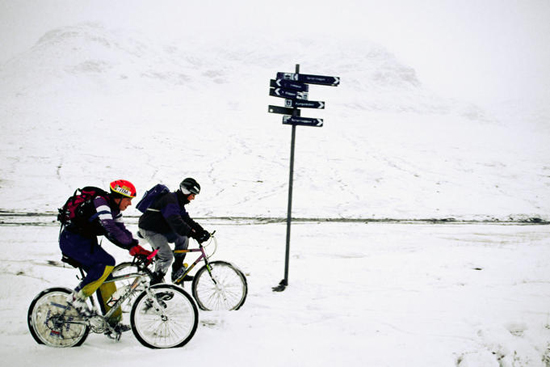
Overhead of mountain bikers in snow, Vindelfjallen NR, Lapland. |
|
|
|
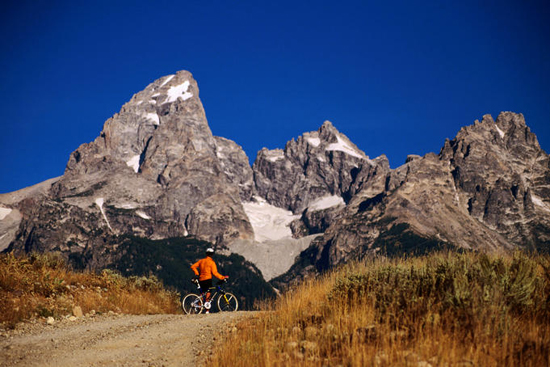
Mountain biker on dirt road looking at mountains. |
What kind of shape are you in?
To ride for potentially 70 kilometres straight and climb mountain trails, you need to be in decent shape and good health. If you haven't taken many trips on the bike you'll be riding, start logging some kilometres before you head on your trip. Strength training will also be really helpful. Remember that you will also build up your stamina on your trip, so it will get easier. Don't tell yourself you can't do it either, no matter what your age – just go at your own pace. You'll be so preoccupied by the stunning scenery, you won't feel the burn anyway!
Hotels, hostels, or camping?
Some companies set out maps that have places for you to stay at the end of every day of your journey. Depending on how well you plan, it's more than likely it won't always work out that way. If you're exploring some rural part of Asia or Africa, for instance, a tent will be necessary.
What should you bring?
What you definitely need: helmet, appropriate clothing, phone, passport (with visas), water and snacks. What else you bring depends on the circumstances of your bike tour (think available bathrooms – will you need to BYO toilet paper?).
How heavy a pack can you carry?
If you're biking across the Mojave Desert, you're going to be doing some camping and you're going to need food – all of which is going to increase the weight of your pack. Make sure if you have a heavier load to carry, your bike can support it. Also take some rides with the predicted weight you'll be carrying. This will help you determine exactly how much you can handle.
Have you practised?
If you are planning your biking adventure yourself, it's best you break your touring bike in before you leave (even if you consider yourself an expert cyclist). Go on a weekend tour with a pack of the realistic weight of the bags you're taking. If you can, do this several times. It will only make you more confident with your abilities. Doing this will also give you an idea of your riding pace. Factor this pace into your travel plans. Terrain, weather, sites along the way and especially your conditioning highly affect the distance you can cover.
Once you have thought these factors through, you will be more than prepared to embark on your adventure.


Go to Forum >>0 Comments