 Share:

Foreign academics and researchers in Qingdao have spoken highly of the city's thriving research atmosphere. Its role in fostering international cooperation and understanding is growing and institutions across the city are partnering international scholars with Chinese counterparts. They are being offered cutting-edge joint laboratories, where scientific breakthroughs are being transformed into industrial applications.
Indian professor Laxmisha Rai Arvar Raghunatha, known as Liu Shan in Chinese, shared his experiences at Shandong University of Science and Technology. After moving to China 22 years ago and settling in Qingdao in 2009, he stated, "I like here because my colleagues and faculty members are very friendly and cooperative. Even with my limited Chinese, they always help me."
German Professor Franz Josef Heinrich Gadermann, who has lived in Qingdao for 24 years, shared similar sentiments. Working at Qingdao University of Science and Technology's Sino-German Technical Faculty, he highlighted the institute's strategic importance. "As the first large-scale cooperative education program of its kind, it builds a crucial bridge between China and Germany," he said.
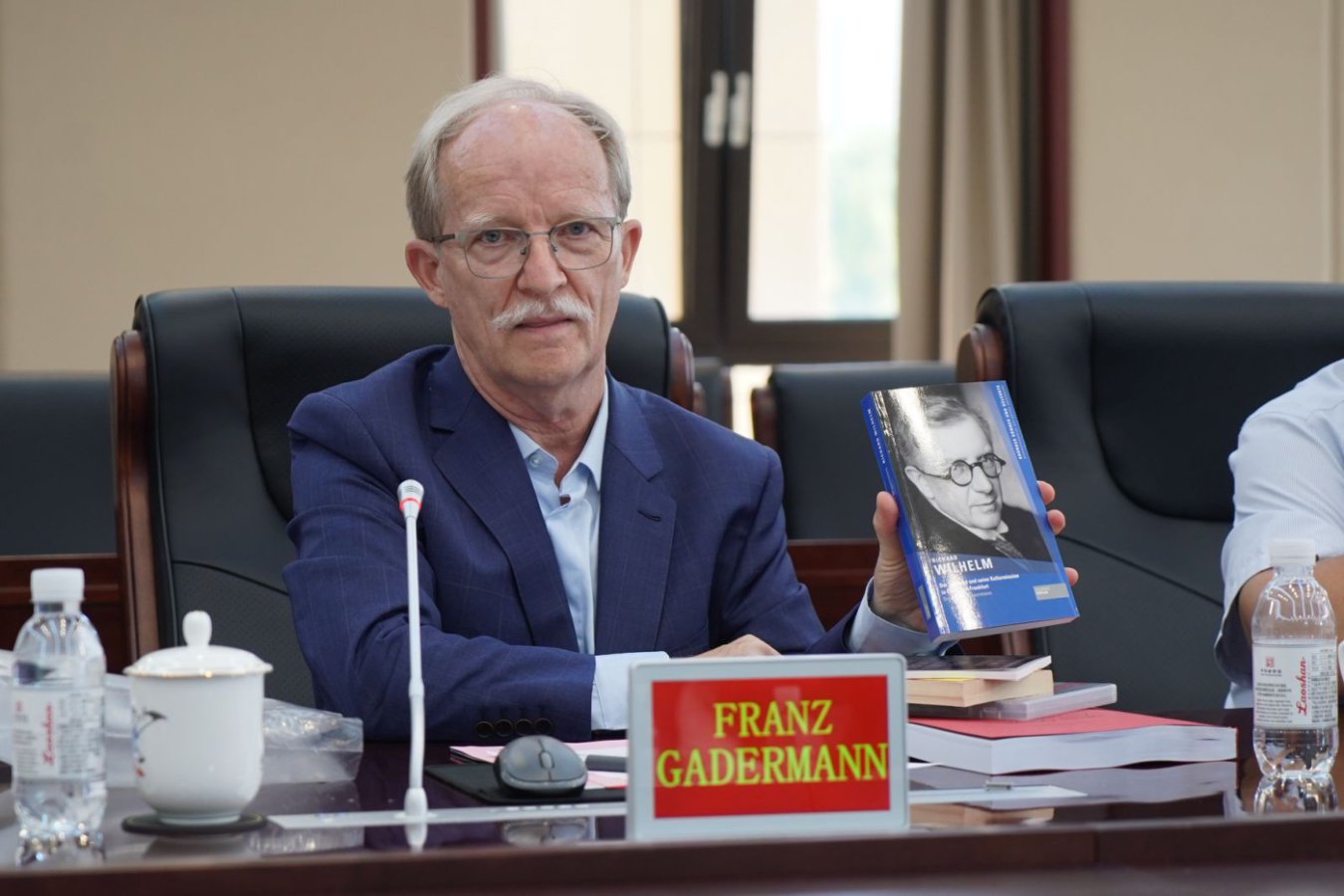
German Professor Franz Josef Heinrich Gadermann shares his experience at Qingdao University of Science and Technology, Qingdao, Shandong province, Sept. 5, 2025. [Photo by Yin Kang/Beijing Review]
Established in 2001 by Qingdao University of Science and Technology (QUST) in partnership with Germany's Paderborn University, University of Siegen, and Koblenz University of Applied Sciences, the Sino-German Technical Faculty offers undergraduate degrees and fosters a deeper understanding of China among Germans.
"It allows Germans to understand China better and to see a more authentic image of the country," added Gadermann.
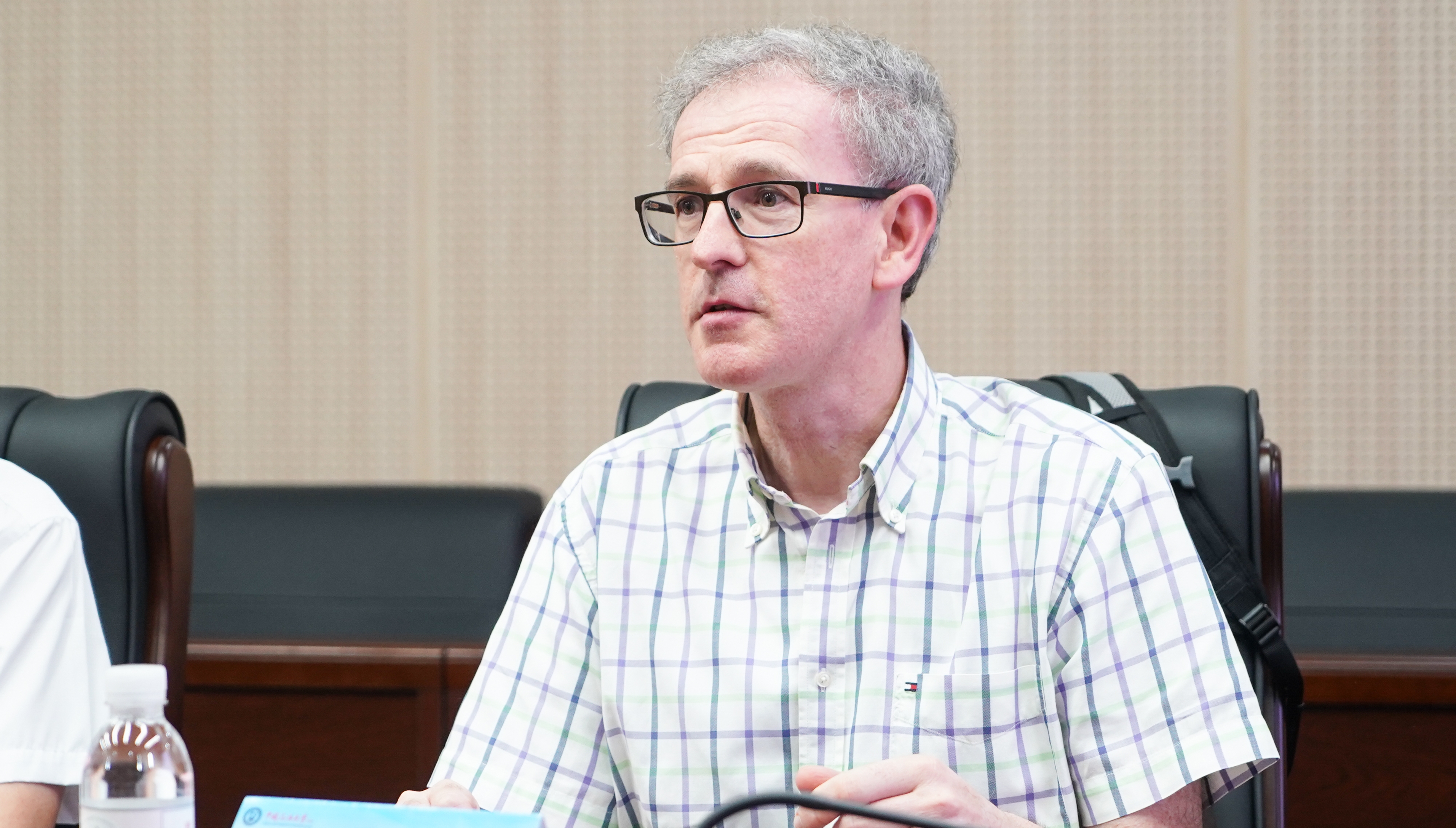
The research environment in Qingdao is also a major draw for foreign researchers. Australian professor Muller Tobias at China University of Petroleum (East China) (UPC) described its research environment as "next to excellent." He praised the laboratory facilities and technical support, adding, "There will be a bright future here for these subjects. I believe in the next 10 to 20 years, we will see a science hub here."
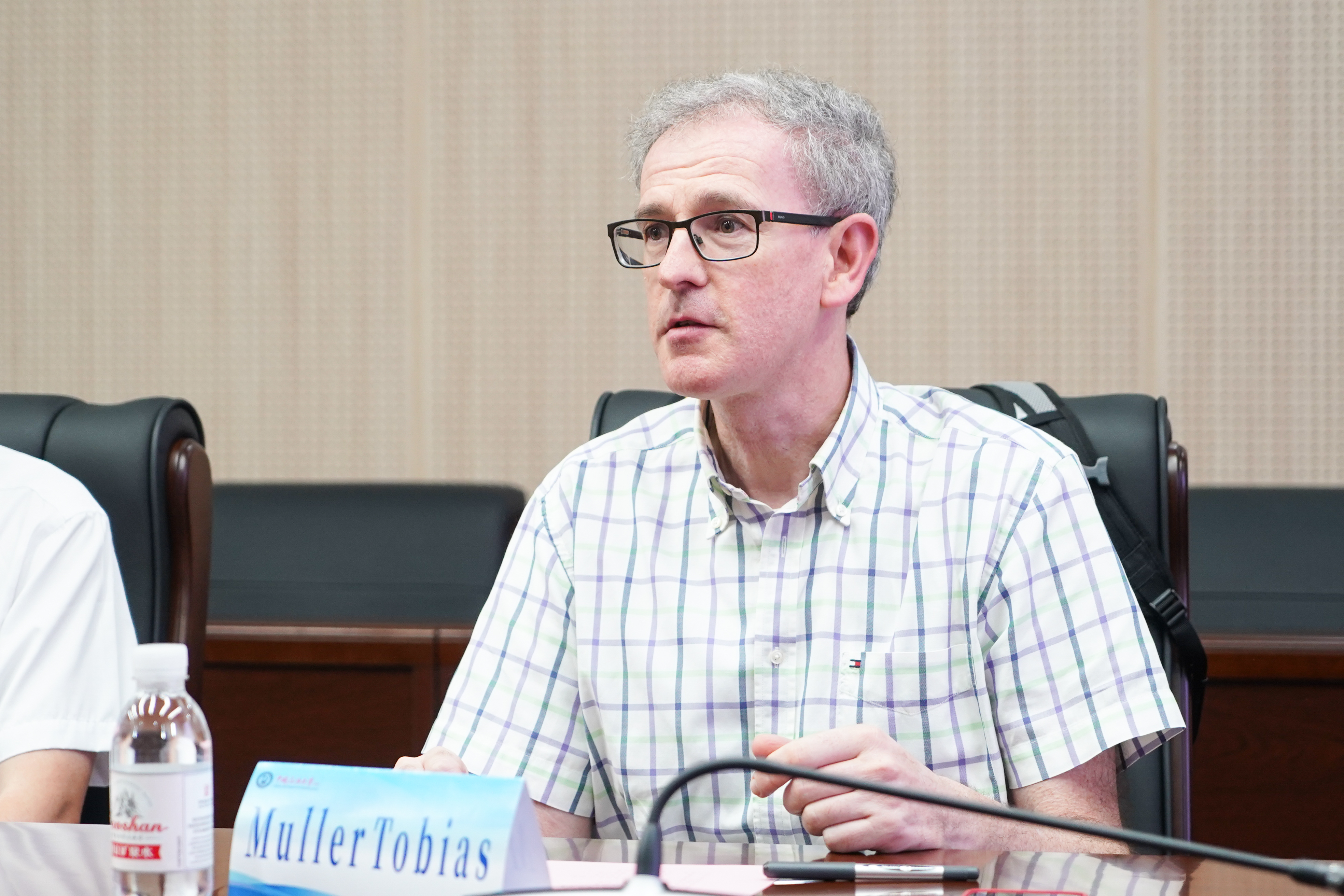
Australian professor Muller Tobias at China University of Petroleum (East China) (UPC) shares his experience in Qingdao during a discussion co-hosted by the Foreign Talent Research Center of the Ministry of Human Resources and Social Security and the Qingdao Municipal Bureau of Science and Technology in Qingdao, Shandong province, Sept. 4, 2025. [Photo by Yin Kang/Beijing Review]
Echoing his sentiment, American professor Hu Qinhong at UPC highlighted his remarkable academic productivity since joining the university, "In the past five years, I've published as many papers as I did throughout my research career."
These international collaborations extend beyond academia, facilitating the establishment of world-class laboratories and a number of high-quality startups. One notable example is the National Center of International Joint Research for Hybrid Materials Technology at Qingdao University. Led by Professor Tang Jianguo, this center has attracted 17 top scientists from five countries, including two recipients of the Chinese Government Friendship Award.
With over 50 million RMB in research funding, the center boasts advanced facilities and has filed 146 patent applications, whilst achieving numerous milestones in talent attraction and international cooperation in hybrid materials research.
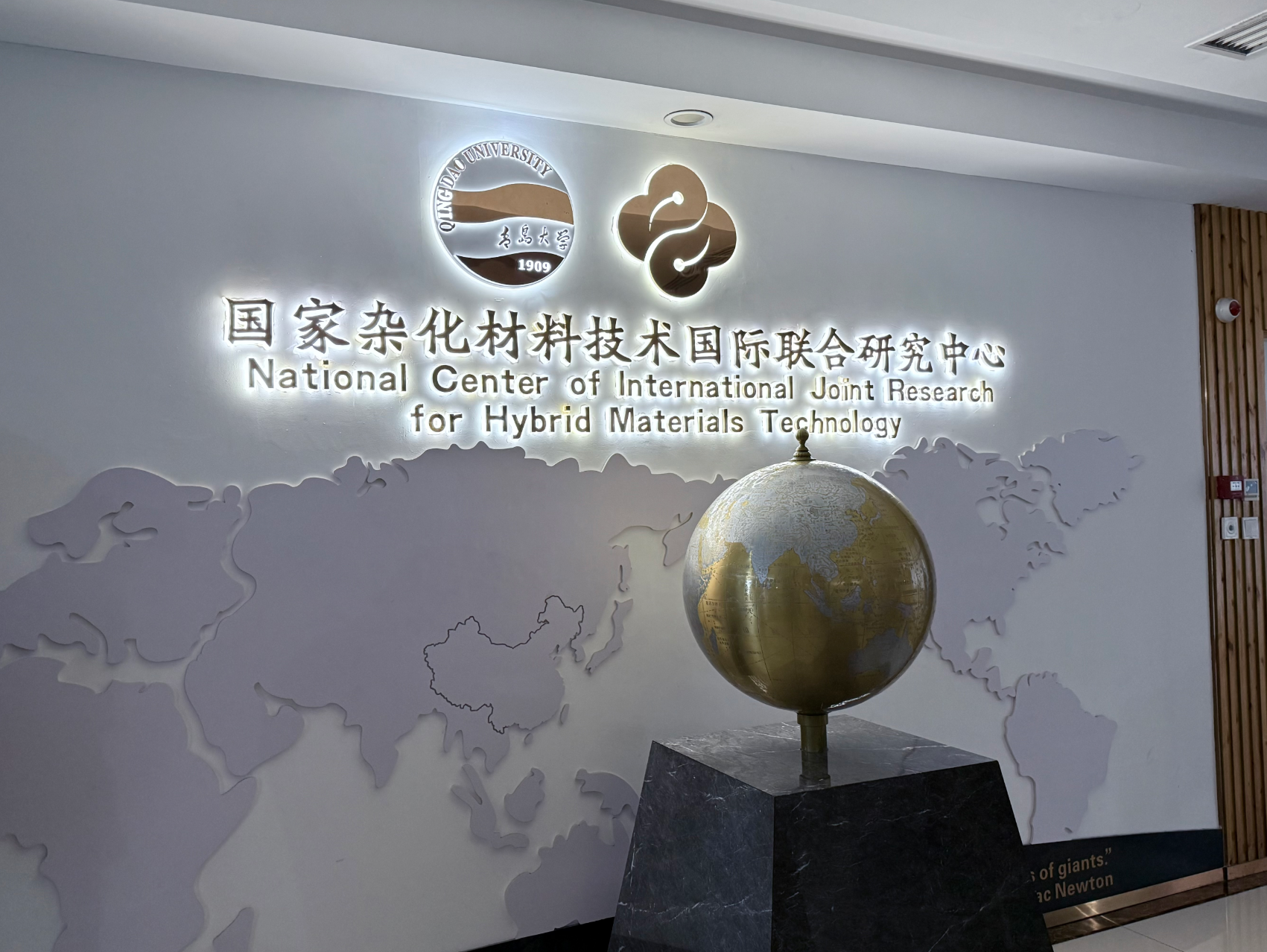
The National Center of International Joint Research for Hybrid Materials Technology at Qingdao University, Shandong province, Sept. 2, 2025. [Photo by Chen Xinyan/China.org.cn]
Sailun Group, rooted in Qingdao University of Science and Technology, often referred to as the "Huangpu Military Academy of China's Rubber Industry,"has developed itself into a leading player in the rubber and tire sector.
With four R&D centers, ten production bases, and one new factory in construction, the group sells its products in over 180 countries and regions. It has fast become the first privately-owned tire company listed on the A-share market.
Luo Xiliang, deputy head of QUST, emphasized the importance of attracting overseas talent, saying, "In this effort, we are breaking down regional and national barriers, allowing global expertise to empower our strength in rubber and chemical materials. This also contributes international support to industrial upgrades in Shandong and across the country."


 京公网安备 11010802027341号