Share:

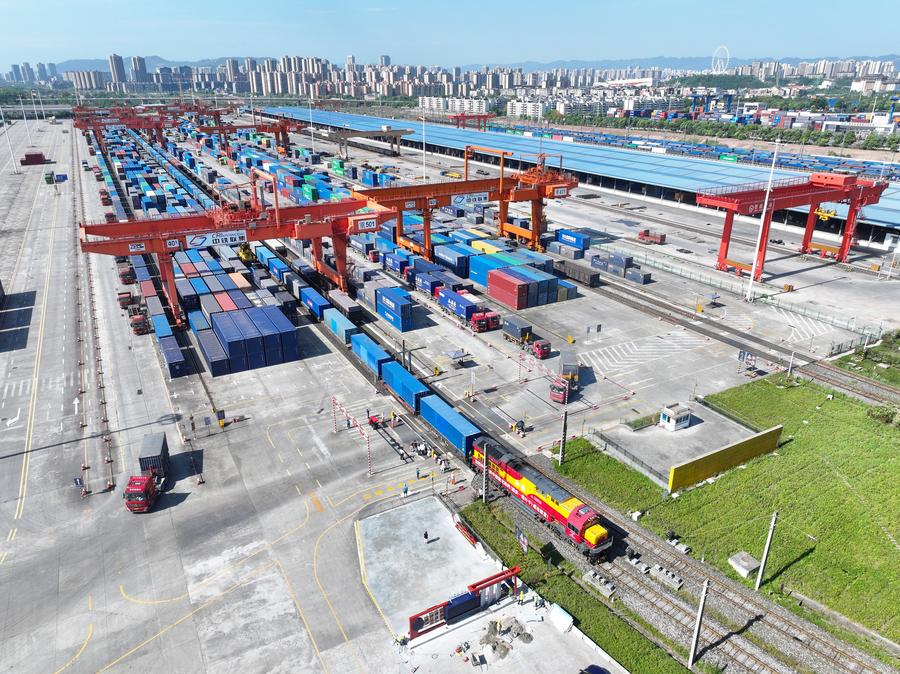
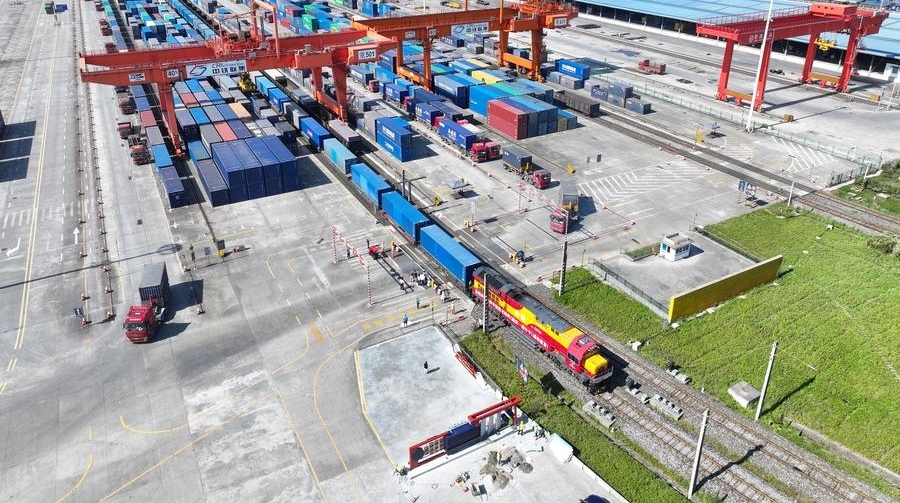
An aerial drone photo taken on April 20, 2025 shows a China-Central Asia freight train departing from the Tuanjiecun Station in southwest China's Chongqing. [Photo/Xinhua]
Across Asia, new roads, railways and bridges are changing how people live and work. From Central Asia's wide plains to Southeast Asia's busy ports, new connections are bringing countries closer together. Behind many of these changes is China's vision for development – one that links infrastructure, trade and stability through cooperation and shared progress.
Over the past 10 years, the Belt and Road Initiative (BRI) has become one of the biggest programs for building and improving connections between countries. But it is not only about building highways or railways. It is also about helping people and communities grow together. By improving transport, energy, and digital links, China is helping regions that were once far behind participate in global development.
Infrastructure is the foundation of progress. When a new road or railway reaches a small town, it brings more than cars and trains. It brings new jobs, new businesses and new hope. Farmers can sell their crops to bigger markets. Small shops can get more products. Students can study in nearby cities. People have more choices and better lives. Every bridge, port and power line adds to a stronger future.
China believes that economic growth and peace go hand in hand. When people have work, education and a chance to build a better life, they are more likely to live in peace and cooperate. Projects under the BRI create not only physical links but also trust between countries. They show that progress can be shared by all.
One clear example is in Central Asia, where new railways and roads have turned quiet towns into centers of trade. The trains that now run from China to Europe pass through Kazakhstan and other countries, helping local people find jobs and new business opportunities. In Pakistan, the China-Pakistan Economic Corridor has improved energy supply and roads, helping factories and small businesses grow. In Laos, the China-Laos Railway has made travel faster and easier, opening new paths for trade and tourism.
These are not just big projects on paper. They bring real changes to everyday life. Local workers learn new skills. Shops and restaurants open near construction sites. Families have better access to markets, hospitals and schools. The benefits reach both big cities and small villages.
China's development vision is based on friendship and mutual benefit. It means all sides should gain from cooperation. China listens to the needs of its partners and works to make sure that projects fit local conditions. In recent years, China has also paid more attention to green development: using clean energy, protecting the environment and building projects that last for many years without harming nature.
Trade plays a big part in this vision. As countries become more closely connected, goods can move faster and more easily. New trade routes enable small- and medium-sized businesses to access global markets. Regional agreements, free trade zones, and e-commerce platforms are facilitating smoother and more open cooperation.
The idea behind all this is simple: When countries build together, they grow together. Roads, ports and railways do more than move goods; they connect people. They help neighbors understand each other better and find peaceful ways to solve problems. When countries trade and cooperate, they become more stable and secure.
Of course, there are challenges ahead. Projects must be managed carefully, and countries need to work together to make sure development is fair and sustainable. However, the success of many Belt and Road projects demonstrates what is possible when nations prioritize partnership over rivalry.
Today, we can already see the results: smoother trade routes, stronger economies and closer friendships. China's idea of development through connection is helping many regions grow faster and more fairly. It is showing that infrastructure can do more than support trade; it can build peace and trust.
Looking to the future, China's vision remains clear: help countries connect, help people succeed and help regions stay stable and peaceful. Infrastructure builds the path, trade keeps it active, and cooperation keeps it strong. Together, they form the foundation for shared prosperity in Asia and beyond.
Dr. Shamuratov Shovkat is a researcher in international trade and economics at Jiangxi Fenglin College of Foreign Economy and Trade in Jiujiang, China.
Opinion articles reflect the views of their authors, not necessarily those of China.org.cn.


 京公网安备 11010802027341号