 Share:

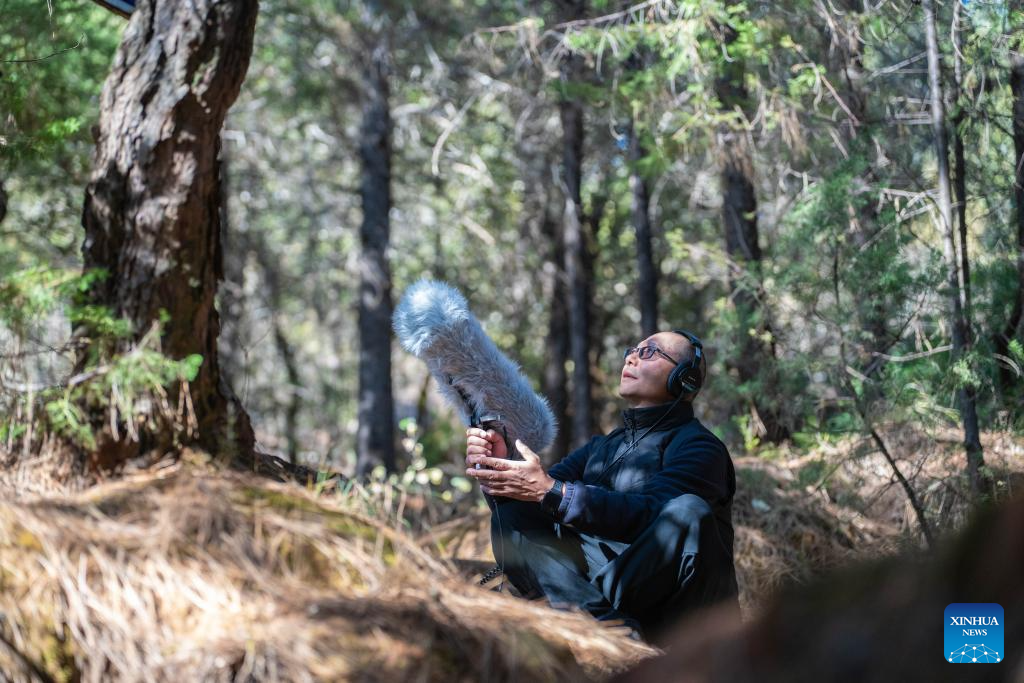
1月16日,和德华在丽江黑龙潭公园收集鸟鸣声素材。[新华社记者 高咏薇 摄]
He Dehua collects sounds of birds at a park at the ancient city of Lijiang, southwest China's Yunnan Province, Jan. 16, 2026. (Xinhua/Gao Yongwei)
在云南丽江古城五一街文治巷114号,曾经弥漫着米线小吃叫卖声的老宅,如今常飘荡着富有节奏的乐曲。2025年10月,51岁的和德华与妻子收回租约到期的旧房,将其精心改造成了一个名为“赶路人”的音乐空间,向过往游客与久违友人敞开怀抱,分享音乐背后的故事与感悟。
He Dehua, 51, and his wife refurbished an old house of theirs in October 2025, and turned it into a music club called "Wayfarers," where they can share their personal stories with travelers and long-lost friends.
“赶路人”这个名字,源自他参与制作的一张唱片,灵感来源于年轻时目睹长辈为谋生计而外出奔波的场景。“我们都是人生旅途的赶路人,但在奔波中不应忘记寻找生活的真谛,寻找真正的自我。”
The name "Wayfarers" came from a CD He had co-produced, drawing inspiration from his memory of watching elders of the family leaving hometown to work for livelihood. "We are all wayfarers in our own life, but we must not forget to search for the truth of life and the true self," said He.
自1997年远赴北京学习吉他起,和德华的音乐生涯迄今跨越近三十载。从琴行教师到编曲制作人、录音师,他不断探索音乐的无限可能。回归故乡后,他渴望用听的方式,为来客呈现古城的音容笑貌,找回过去旅途中的那份慢节奏与宁静。
He has been a career musician for about three decades since he went to learn guitar playing in Beijing in 1997. Back to his hometown in Lijiang, he started to challenge himself by impressing the visitors to this olden city with music, songs and sounds of nature.
自2011年起,和德华开始了声音的收集之旅。他录制整理了丽江各类单位的非遗项目、自然和生活场景中的声音素材以及偶遇民间艺人即兴演奏的乐曲。至今,他收集的音频总时长已超过200个小时,这些声音成为了他音乐宝库中的珍贵财富和音乐创作中不可或缺的灵感源泉。
He set out to collect voices and sounds in 2011, and has garnered more than 200 hours of recordings, which included some intangible cultural heritage items, voices in routine life, and melodies performed by folk artists.


 京公网安备 11010802027341号