 Share:

Chinese actor Wang Duo told China.org.cn in an exclusive interview that the unhinged villains he has played throughout his career, including his latest role in the sci-fi film "Per Aspera Ad Astra," reflect his continued fascination with human nature's complexity.
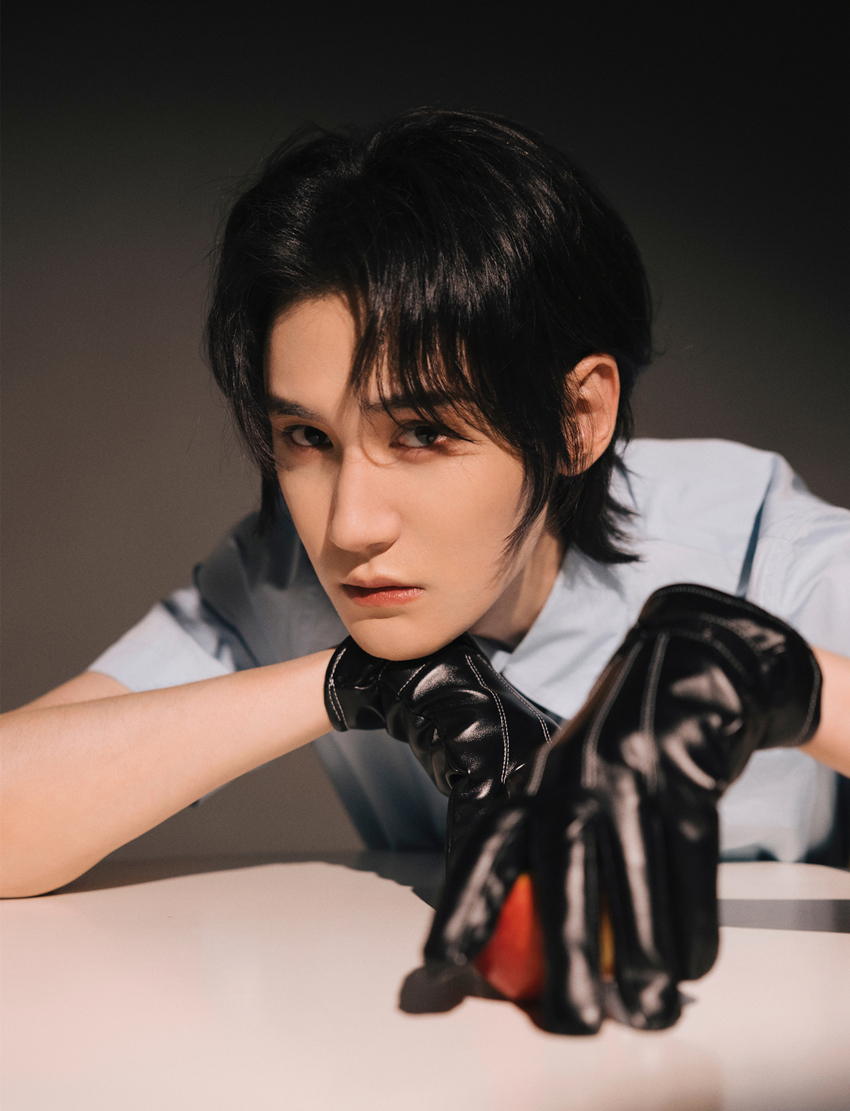
A photo of actor Wang Duo. [Photo provided to China.org.cn]
Set in 2058, acclaimed filmmaker Han Yan's "Per Aspera Ad Astra," released during this year's Spring Festival holiday, follows a starship crew whose virtual reality system, called Sweet Dreams LM, malfunctions during an interstellar voyage, trapping them in personalized dream worlds as the vessel drifts off course.
Administrator Biao Ge, played by Wang Hedi, and Captain Si Meng, played by Victoria Song, awaken technician Lao Bai, played by Zu Feng, and software engineer Ge Yang, played by Wang Duo, to uncover the cause of the breakdown before the dreams turn into nightmares.
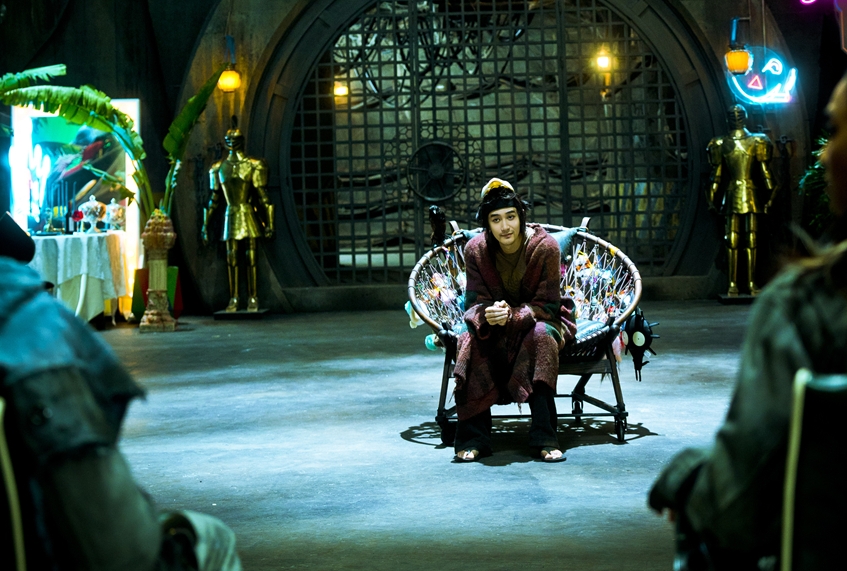
For Wang, stepping into the mind of Ge meant taking on a role some viewers have called the "craziest villain of 2026" - a man so disillusioned with reality that he would rather rule a virtual world than continue suffering in the real one. Alienated by the indifference and hostility around him, Ge sees the Sweet Dreams LM system not as an escape but as a conquest, seeking to seize control of the virtual realm and reshape it on his own terms.
The role continues Wang's interest in morally complex characters. In the 2018 web drama "Bloody Romance," he first showed his ability to play figures who blur the line between right and wrong. He deepened that duality in the 2020 film "The Yin-Yang Master: Dream of Eternity."
Since then, Wang has built a body of roles exploring moral gray areas, from Qi Mu in "Inference Notes" to Nan Xuyue in "The Blossoming Love" and Zeng Jie in "Blemish Flaw." With Ge Yang in "Per Aspera Ad Astra," he adds his most ambitious character yet.
"I don't mind how people shape their view or stereotype about me and my character choices along the way. I just want to give it my all," the actor told China.org.cn. "It is very interesting to explore complex characters, and I will continue to. I will always be open to other roles and film genres as long as they can intrigue me."
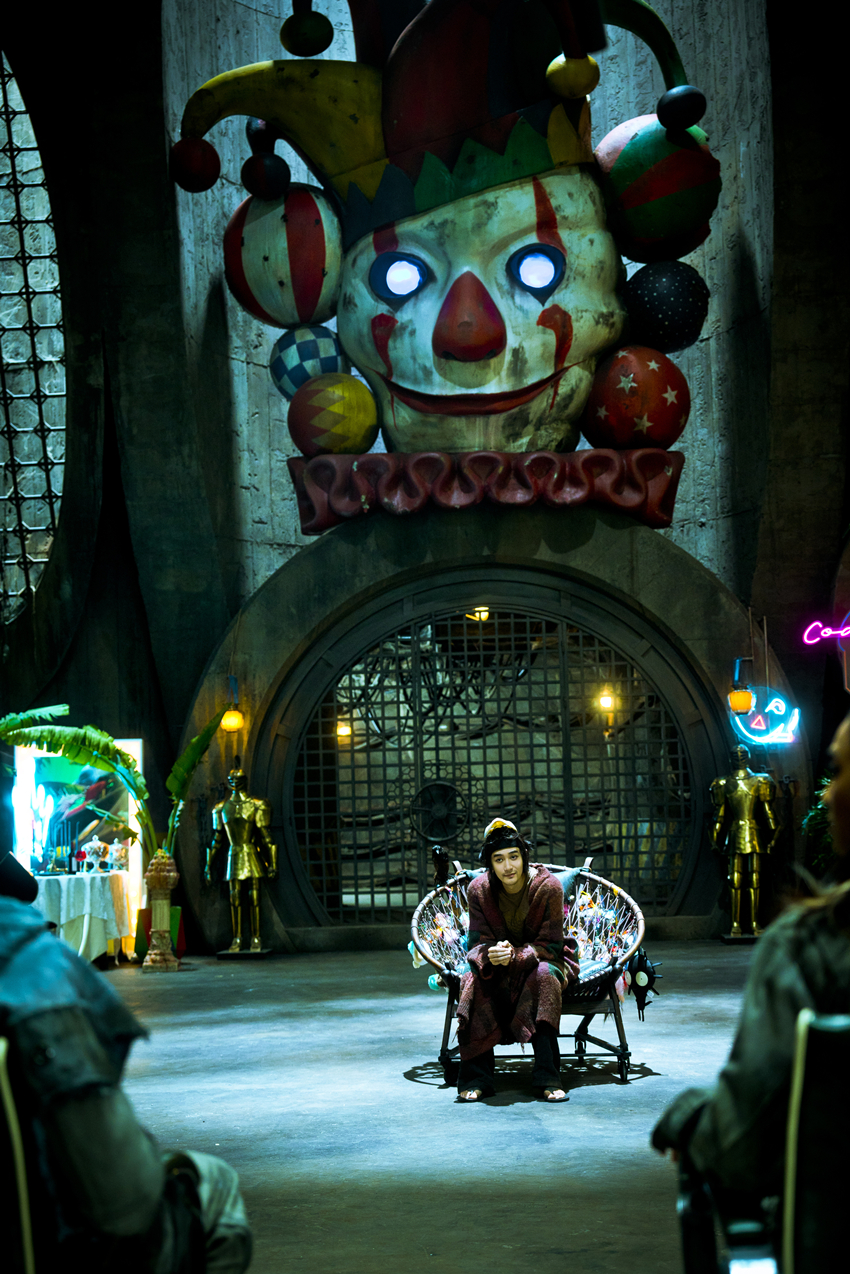
A still from "Per Aspera Ad Astra." [Photo courtesy of China Film Group Corporation]
Throughout the film, Wang handles the character's shifting emotions with precision. When Ge's true nature emerges, his demeanor changes sharply, the mild-mannered engineer giving way to a more calculating figure. In moments of confession, his voice moves between cold control and raw vulnerability.
"I just hate this real world, okay?" he says in the film. "I don't want to be polluted and herded in other people's worlds. Real society has made me so tired I can't stand another day."
Wang brings subtlety to Ge's later scenes, as the character confronts the truth about his role in a larger scheme. Rather than delivering a dramatic breakdown, Wang chooses restraint - his eyes brimming with unshed tears that suggest quiet realization instead of overt sorrow. The performance highlights the character's complexity, showing a man who rejects pity even as he accepts the weight of his fate.
Layers of suspense make this space dream adventure a thrilling ride. The film, set to be distributed on Netflix this summer, reflects Han Yan's confident command of science fiction. With about 3,200 visual effects shots, the movie leans heavily on high-end imagery and imaginative concepts to create a distinctive sci-fi universe. It is being marketed as a feel-good blockbuster for younger audiences over the Spring Festival holiday.
The story also explores the role of artificial intelligence and virtual reality, echoing public debate around Seedance 2.0 that has dominated social media. Wang reflected on the theme, saying, "AI is just a tool to serve, and humans are the ones with souls."
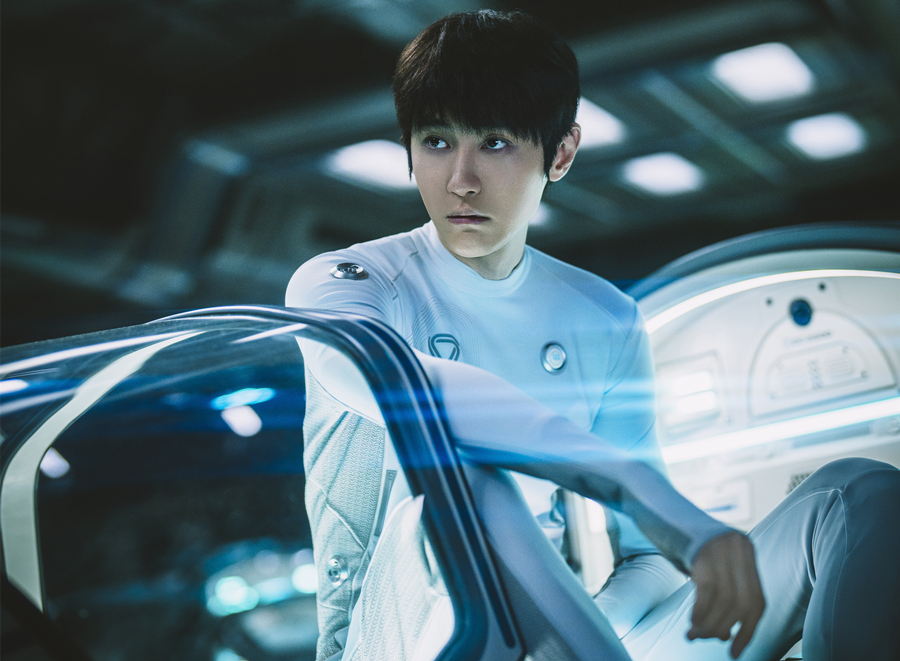
A still from "Per Aspera Ad Astra." [Photo courtesy of China Film Group Corporation]
In the end, Ge faces a fateful decision about where he belongs. Refusing to return to the reality that broke him, he instead decides to have his consciousness erased within the virtual world he fought to control. It is a final act of defiance from a character who, in Wang's portrayal, becomes something more than a simple villain - a reflection of ordinary people wrestling with extraordinary circumstances.
"Ge Yang is just an ordinary person who wants to escape the real world and indulge in a virtual one," Wang said. "As an ordinary person, this approach is the only and final desperate struggle he can make. Even if the final outcome is failure, he has no regrets. Ge does not need any sympathy or pity, but he can serve as a warning to every ordinary person to learn to love themselves in the right way."


 京公网安备 11010802027341号