 Share:

The Shangyi Pumped Storage Power Station is expected to connect its first 350-megawatt turbine to the grid by late May 2026. The milestone marks a major step forward in strengthening energy stability across the Beijing-Tianjin-Hebei region while injecting new economic vitality into the surrounding county.
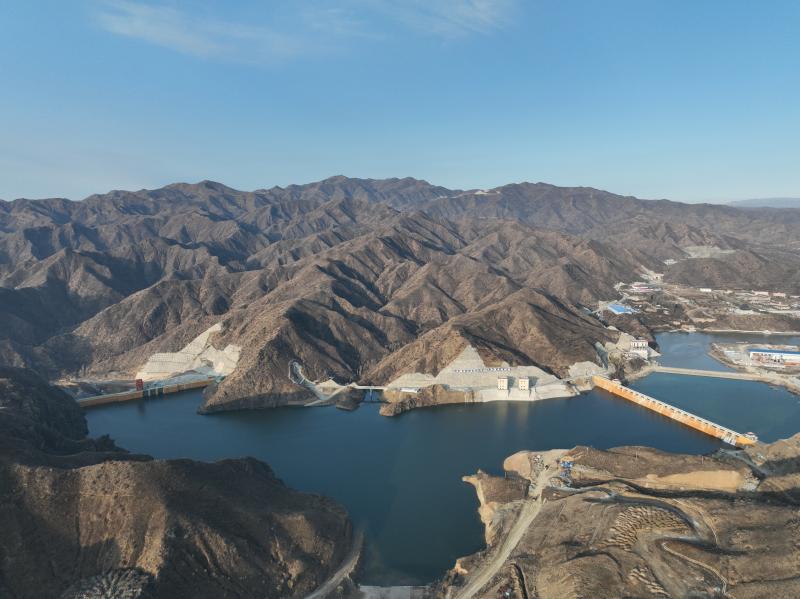
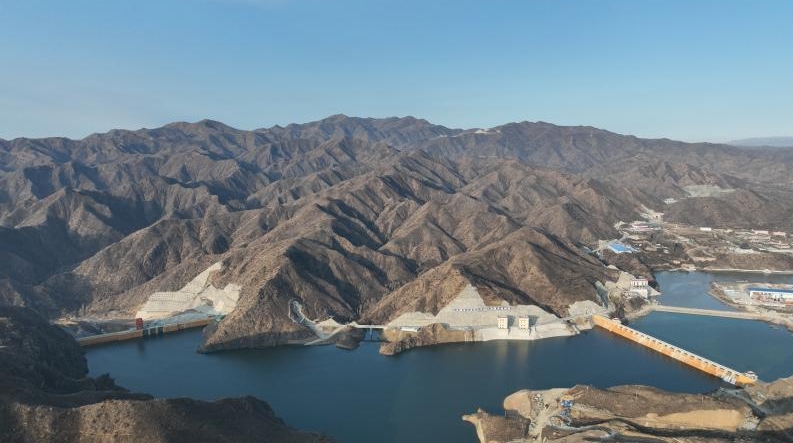
The Shangyi Pumped Storage Power Station during construction in Shangyi county, Hebei province, Sept. 14, 2025. [Photo provided to China.org.cn]
Nestled deep in the mountains of northern China's Hebei province, the large-scale pumped storage hydropower station is entering its final commissioning phase. With an investment of 9.56 billion yuan (about $1.3 billion), the station will feature four 350-MW units in total. Following this month's initial launch, the remaining three units are expected to follow by September, six months ahead of the original schedule.
Shangyi county sits within Zhangjiakou, China's first national renewable energy demonstration zone, which now hosts more than 42 gigawatts of wind and solar capacity — the largest non-hydro clean energy base in the country. That abundance of intermittent power has long strained the grid. The new pumped storage plant will function as a giant battery, pumping water to an upper reservoir when supply outstrips demand and releasing it downhill to generate electricity during peak hours, providing the Beijing-Tianjin-Hebei network with critical load-balancing and emergency backup.
For Shangyi, a county that has already lifted itself out of poverty in February 2020 but remains economically modest, the project represents a major fiscal boost.
"Once fully operational, the station is projected to generate up to 110 million yuan in annual tax revenue," said Nan Yingjun, deputy Party secretary of Shangyi county and acting county mayor. With Shangyi's total fiscal income at roughly 800 million yuan a year, Nan noted that the plant alone could be a major contributor to the county government's budget.
During construction, the project employed 3,000 workers at its height, more than 500 of whom were local residents.
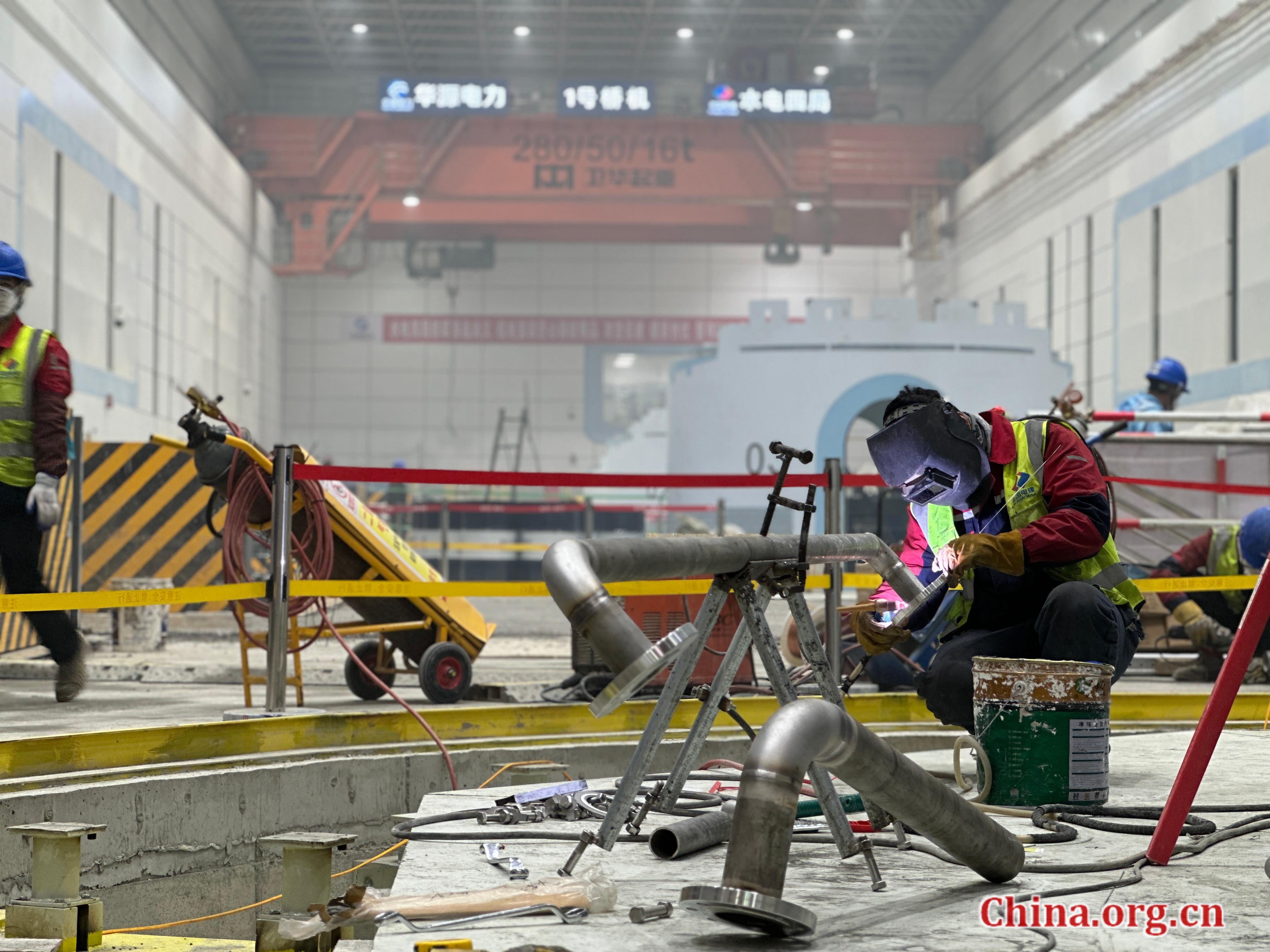
Workers at the construction site of the Shangyi Pumped Storage Power Station in Shangyi county, Hebei province, May 14, 2026. [Photo by Wang Ziteng/China.org.cn]
"When fully up and running, the station will sustain about 300 long-term maintenance and support positions, with hiring priority given to local university graduates," said Lei Xingliang, deputy Party secretary of the Shangyi construction bureau of Sinohydro Bureau 4, adding that the bureau has partnered with a Hebei university, bringing in about 10 interns each year to learn on the job and gradually move into technical positions.
The project's socioeconomic impact is tangible to residents like Hao Wanyi, 44. Before construction began, Hao worked in the food service industry in another city. The project allowed him to return to his hometown, where he now works as a repairman and driver.
"Villagers who used to farm could barely make 10,000 yuan a year. Now, with jobs here, some are earning 50,000 yuan or more," Hao said. He mentioned that with his own income now stable and significantly higher than before, he has been able to buy a new house for his family. The dirt road that once made the trip to town an hour-long struggle is now paved, cutting the journey time to 15 minutes. When mountain rains threatened to wash out roads, construction crews stepped in to handle flood control and keep routes open, he added.
Shangyi's economy is increasingly pivoting toward clean energy. The county now hosts 35 power plants generating 11 billion kilowatt-hours annually, and industry has grown from 20% of the local economy to nearly 50%, Nan said.
Local authorities are using the pumped storage station as an anchor to draw green industries, including smart computing centers and energy storage projects. The county is piloting a model to coordinate computing capacity and electricity supply — channeling surplus renewable electricity directly to data centers — an approach highlighted in China's 2026 government work report as a new national infrastructure priority.
"Starting in 2025, Zhangjiakou as a whole has pushed forward with data computing centers. With our cool climate, abundant green power and storage capacity, we see real potential in computing-power synergy," Nan said.
In addition to energy, the new roads built for the project now connect Shangyi to neighboring Huai'an county, creating a corridor for rural tourism. Lei recalled that when construction began, the roads linking the surrounding counties were unpaved dirt tracks. Now, plans are underway to open local farm stays and fruit-picking orchards to attract more visitors.


 京公网安备 11010802027341号