 Share:

Thirteen years ago, fresh out of college and on a backpacking trip, Wang Xiaokang arrived in Lhasa, capital of Xizang autonomous region. Six years later, he decided to stay for good.
Born in Weifang in east China's Shandong province, roughly 4,000 kilometers away from Lhasa, Wang said the city has become his second hometown.
"I'm not someone who enjoys constantly chasing a hectic life," Wang said. "When I arrived in Lhasa, I felt calm and grounded."
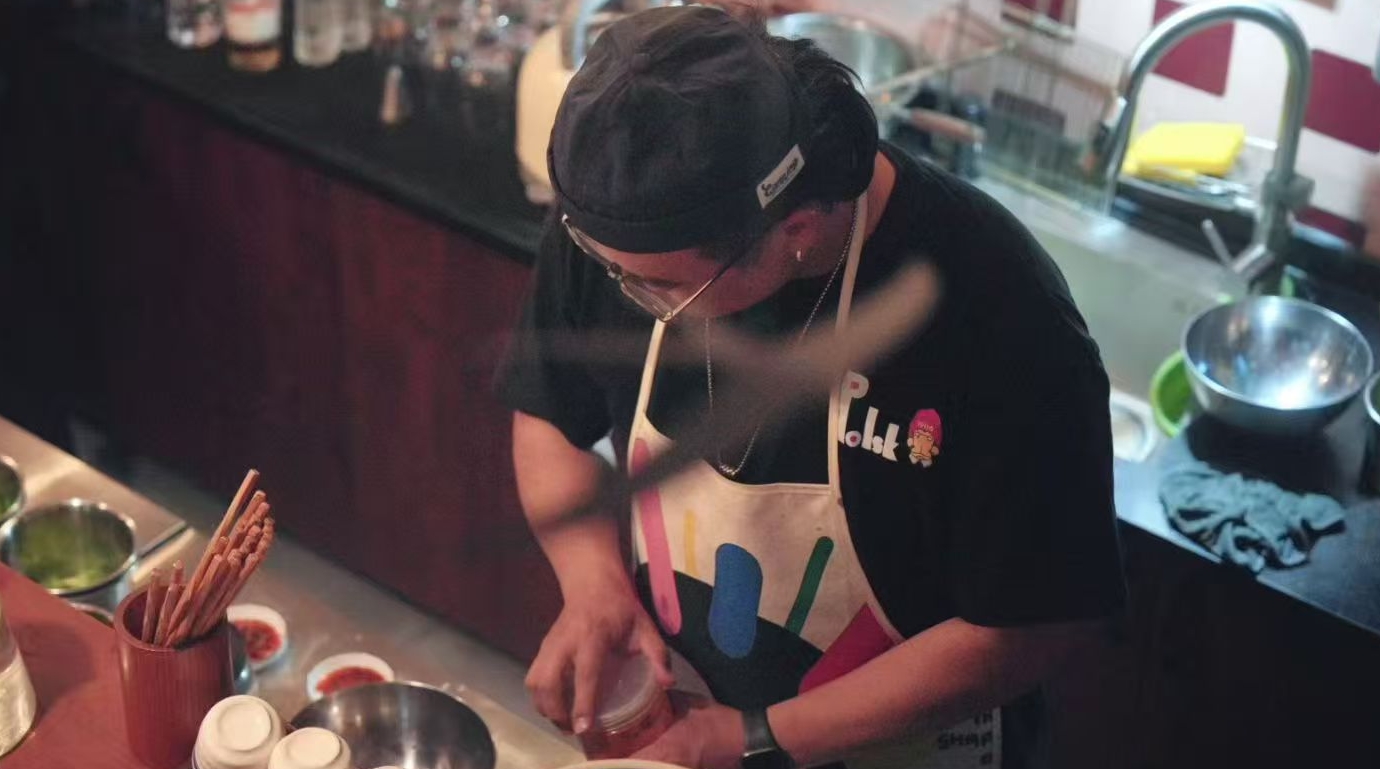
Today, Wang runs Dongzhi Xiaoguan, a small restaurant he opened on the winter solstice in 2024, a fitting date for a place known for its homemade dumplings and relaxed atmosphere. On weekends, customers often have to wait for a table.

Wang Xiaokang at his restaurant in Lhasa, capital of Xizang autonomous region. [Photo provided to China.org.cn]
In winter, most guests are locals, while summer draws a larger influx of tourists. Still, the shop runs on its regulars, people who drop in after work for a drink, a meal, or just a place to unwind for a while.
"Some came as customers at first, but over time we became close friends," Wang said. "There are locals born and raised here, as well as people from other parts of China who also chose to settle in Lhasa."
Over the past decade, Wang has witnessed the city's transformation.
"In the past, even finding a public restroom on the street could be difficult," he recalled. "Now the city feels much more modern and lively."
He said more young people are migrating to Lhasa, bringing new ideas and lifestyles while blending seamlessly with the local culture. Cafes, restaurants and creative boutiques have become increasingly ubiquitous across the city.
Not far from Wang's restaurant, another young entrepreneur is carving out her own life in Lhasa in a different way. Jampa Yangzom, once a multimedia journalist, now runs a Xizang clothing store near Barkhor Street, the most bustling bazaar and cultural hub in Lhasa, while sharing Xizang fashion content on Xiaohongshu, a lifestyle-sharing social media platform.
Growing up in Lhasa, Yangzom recalls that in her childhood memories, Barkhor Street felt quieter and more rustic, lined with traditional Xizang-style houses and neighborhood shops.
Today, renovated storefronts, cleaner roads and improved public facilities have reshaped the area, while much of its traditional architectural heritage remains intact, attracting more and more visitors.
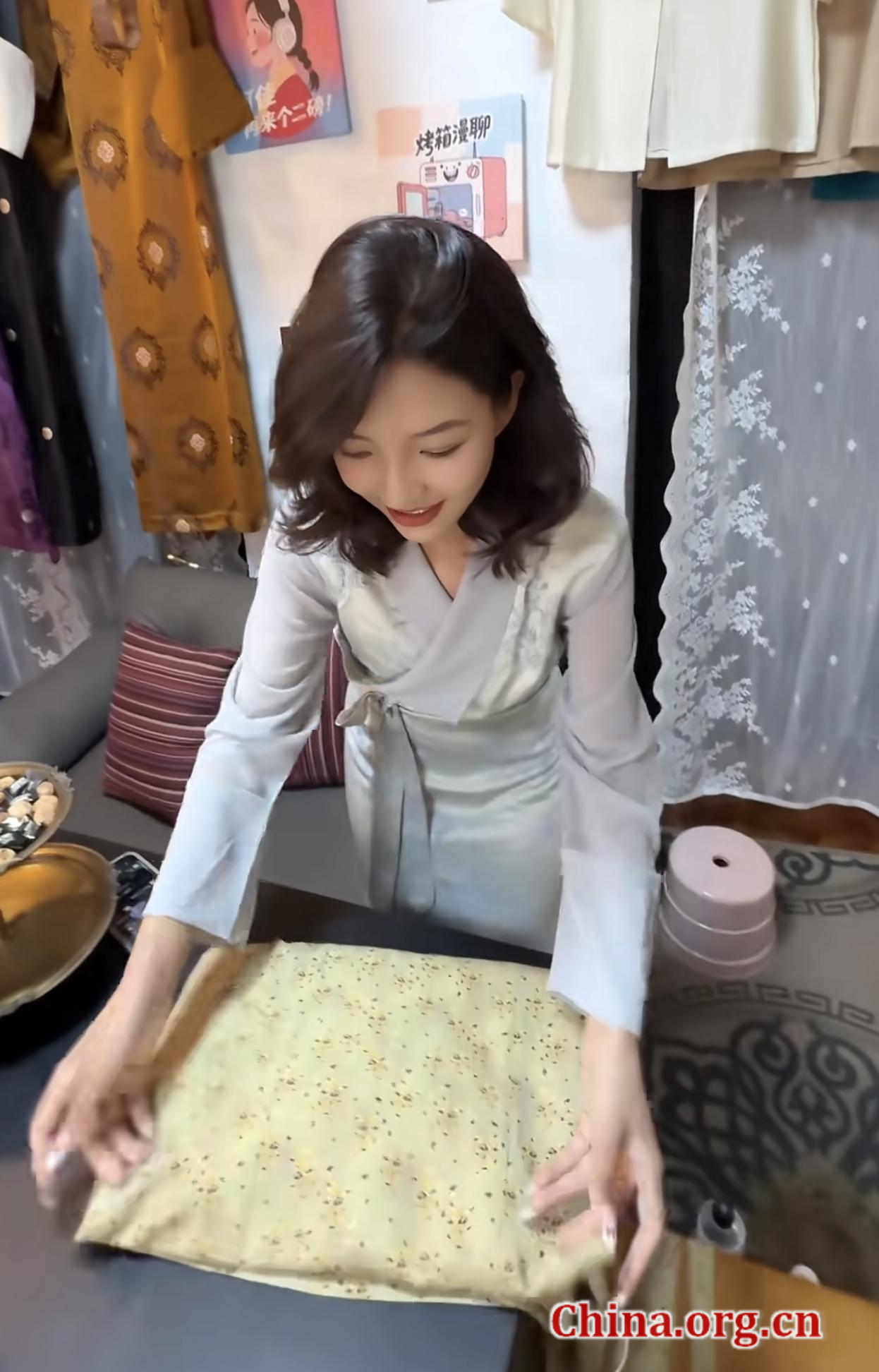
Jampa Yangzom organizes traditional Xizang clothing inside her clothing store in Lhasa, capital of Xizang autonomous region. [Photo provided to China.org.cn]
Such citywide changes have also created new opportunities for her own business interests. Aside from selling bespoke outfits, Yangzom also offers rentals for visitors who want to experience Xizang in traditional attire.
"Not only local residents, but also people from other ethnic groups have shown interest in Xizang clothing," said Yangzom. Growing up, she mostly saw Xizang clothing worn during festivals, graduation ceremonies and other special occasions. "But now, more young people wear it in daily life," she added.
As evening falls over Lhasa, tourists continue to wander past old alleys and newly renovated storefronts. Inside small eateries and clothing boutiques, young people like Wang and Yangzom continue to build lives that feel both rooted and open — shaped by tradition, yet propelled by the momentum of a fast-changing city.
For Yangzom, turning her passion into a career has yielded a strong sense of fulfillment and a greater appreciation for the life she is building.
For Wang, Lhasa has evolved into a place he always finds himself drawn back to. "Once while flying back to Lhasa, the plane circled above the Yarlung Zangbo River. Looking out the window at the vast mountains and waters below, I suddenly felt deeply moved," he said. "That was the moment I realized what it truly feels like to be going home."


 京公网安备 11010802027341号