 Share:

China is seeking to unlock new growth in its automotive sector through reforms in auto circulation and measures to expand the auto aftermarket, officials said Tuesday.
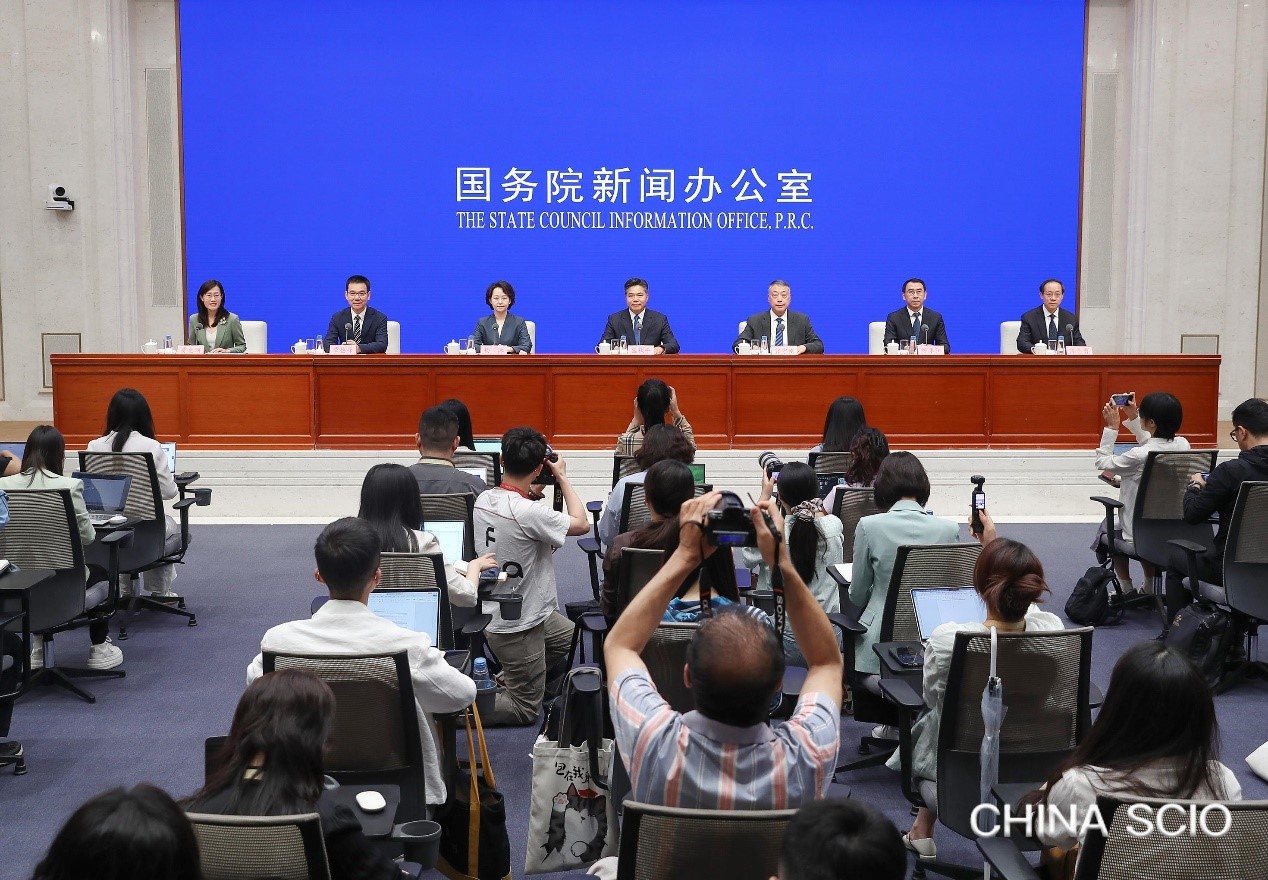
On June 23, 2026, the State Council Information Office holds a press conference in Beijing on expanding auto consumption across the entire value chain. [Photo by Liu Jian/China SCIO]
Speaking at a press conference, Sheng Qiuping, vice minister of commerce, said that as China's economy grows and living standards rise, automobile circulation and consumption are taking on new patterns, with automobiles evolving from simple means of transportation into "intelligent mobile living spaces."
Sheng noted that passenger cars aged seven years or older now account for more than half of the vehicles on China's roads, a sign that the country's auto aftermarket is entering a period of rapid expansion.
"The auto aftermarket generated by vehicle use holds enormous development potential," Sheng said.
To tap that demand, authorities have introduced targeted measures covering areas such as the orderly regulation of vehicle modification, the promotion of motorsports, support for the recreational vehicle (RV) camping sector, maintenance services, and new business models for classic cars.
Liu Feng, a researcher at the China Automotive Strategy and Policy Research Center, said that the latest measures marked a shift in China's approach to automobile consumption, moving beyond efforts centered on new car sales.
"Previous pro-consumption policies largely focused on vehicle purchases, while the new package seeks to extend policy support from purchase management to vehicle use and from one-off product consumption to life-cycle services," Liu said.
The government has also selected 40 cities to test reforms aimed at improving auto circulation and consumption. The cities are expected to explore solutions suited to local conditions and develop practices that could be adopted more broadly.
Sheng said authorities would encourage cities to make better use of existing assets, including automakers, racing circuits, and cultural venues, to create new consumption experiences.
For example, international consumption centers such as Shanghai and Tianjin are using their racing facilities to host major events and combine them with tourism, culture, and sports activities to stimulate spending.
Hangzhou and Shenzhen, meanwhile, are exploring ways to ease vehicle purchase restrictions and meet growing demand.
According to Zhang Dengfeng, deputy mayor of Hangzhou, the local government had spent more than 10 billion yuan (US$1.47 billion) on vehicle trade-in programs and incentives for new car purchases. The city also increased the supply of license plates, helping to add 1 million vehicles over the past three years.
Meanwhile, the city is promoting overseas expansion by encouraging companies to explore a model integrating vehicles, components, and technical services. Electric vehicle exports from Hangzhou rose 57% in the first five months of this year, he added.
Looking ahead, Sheng said policymakers would continue shifting from managing vehicle purchases to facilitating vehicle use. Restrictions on sectors with strong growth potential, including used-car trading and RV camping, would be gradually relaxed, he said.
To ensure sound development, China plans to introduce tiered, category-based regulations for vehicle modifications. Pilot cities of auto circulation reforms will also be given greater flexibility to streamline land approvals for RV campsites and explore policies that could be expanded nationwide.
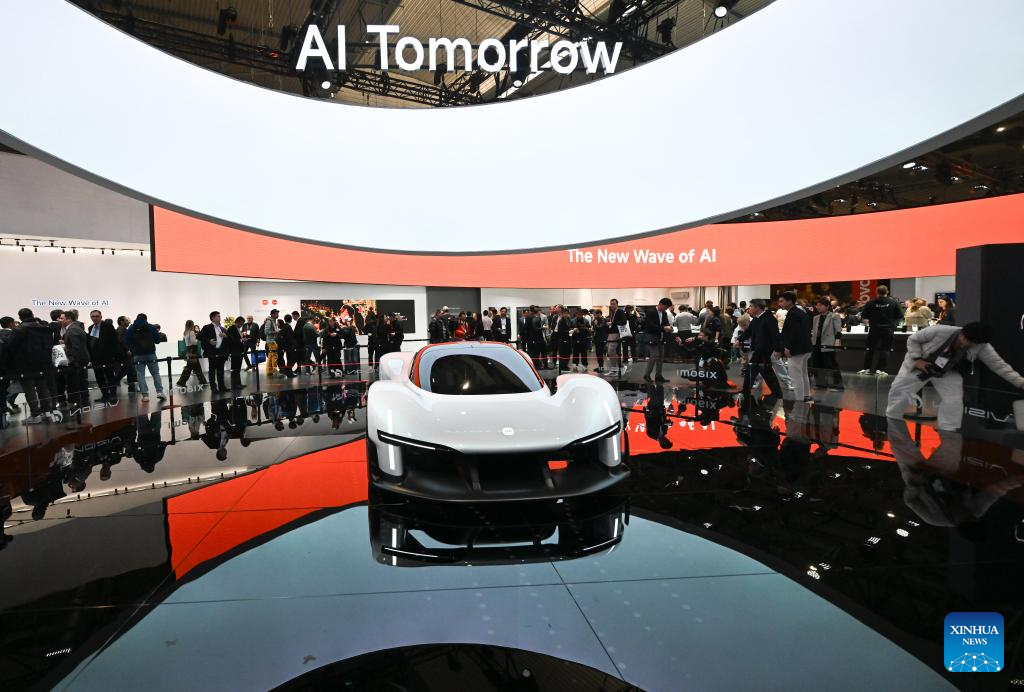
The booth of Xiaomi holds a concept vehicle display during the 2026 Mobile World Congress in Barcelona, Spain, March 2, 2026. [Photo/Xinhua]
Liu said the aftermarket, long viewed as an extension of the manufacturing sector, is becoming an increasingly important source of consumer spending.
Activities such as vehicle modification, RV camping, and motorsports, previously considered niche hobbies, are gaining wider appeal among consumers, he said.
"The task for policymakers is to remove supply-side constraints and give full play to evolving demand," Liu said.


 京公网安备 11010802027341号