 Share:

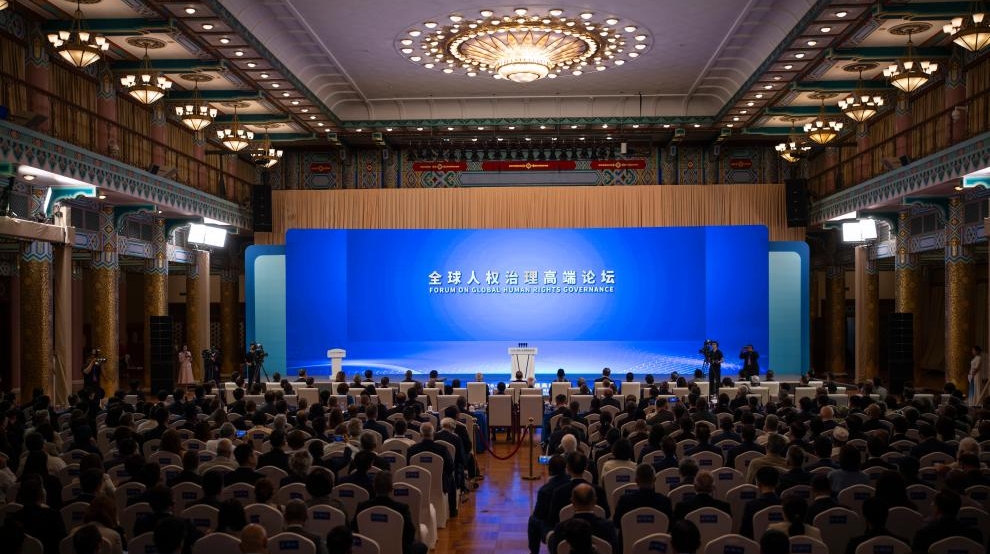
国务院新闻办公室2026年6月11日发布《国家人权行动计划(2026-2030年)》。全文如下: | The following is the full text of the National Human Rights Action Plan of China (2026-2030), which was released at the opening of the 2026 Forum on Global Human Rights Governance on Thursday. | |
国家人权行动计划 (2026-2030年) 中华人民共和国 国务院新闻办公室 2026年6月 | National Human Rights Action Plan of China (2026-2030) The State Council Information Office of the People's Republic of China June 2026 | |
目录 | Contents | |
导言 | Introduction | |
一、全方位推进经济、社会和文化权利保障 (一)适当生活水准权 (二)工作权 (三)社会保障权 (四)财产权 (五)健康权 (六)受教育权 (七)文化权 | I. Advancing the Protection of Economic, Social and Cultural Rights on All Fronts 1. Right to an Adequate Standard of Living 2. Right to Work 3. Right to Social Security 4. Right to Property 5. Right to Health 6. Right to Education 7. Cultural Rights | |
二、健全公民权利和政治权利保障机制 (一)生命权 (二)人身权、人格权 (三)个人信息权益 (四)宗教信仰自由 (五)民主权利 (六)获得公正审判的权利 | II. Improving the Mechanisms for Protecting Citizens' Civil and Political Rights 1. Right to Life 2. Personal and Personality Rights 3. Personal Information Rights and Interests 4. Freedom of Religious Belief 5. Democratic Rights 6. Right to a Fair Trial | |
三、强化环境权利保障 (一)健全现代生态环境治理体系 (二)推进污染防治攻坚 (三)提升生态系统多样性稳定性持续性 (四)应对气候变化 | III. Strengthening the Protection of Environmental Rights 1. Improving Modern Eco-Environmental Governance Systems 2. Advancing the Critical Battle Against Pollution 3. Increasing the Diversity, Stability and Sustainability of Ecosystems 4. Tackling Climate Change | |
四、保障少数民族、妇女、儿童、老年人、残疾人权益 (一)少数民族权益 (二)妇女权益 (三)儿童权益 (四)老年人权益 (五)残疾人权益 | IV. Guaranteeing the Rights and Interests of Ethnic Minority Groups, Women, Children, the Elderly, and People with Disabilities 1. Rights and Interests of Ethnic Minority Groups 2. Women's Rights and Interests 3. Children's Rights and Interests 4. Rights and Interests of the Elderly 5. Rights of Persons with Disabilities | |
五、引导新兴人权领域健康发展 (一)创造美好数智生活 (二)促进企业落实人权责任 | V. Guiding the Healthy Development of Emerging Human Rights 1. Creating a Better Digital and Intelligent Life 2. Promoting Corporate Fulfillment of Human Rights Responsibilities | |
六、持续提升人权意识 (一)人权教育 (二)人权研究 (三)人权培训 (四)人权宣传普及 | VI. Continuously Raising Public Awareness of Human Rights 1. Human Rights Education 2. Human Rights Research 3. Human Rights Training 4. Raising Public Awareness on Human Rights | |
七、积极推动全球人权治理 (一)推动完善全球人权治理 (二)有效开展国际人权对话合作 (三)积极参与联合国人权事务 (四)持续推进人权履约审议工作 | VII. Actively Promoting Global Governance on Human Rights 1. Improving Global Governance on Human Rights 2. Effectively Engaging in International Human Rights Dialogue and Cooperation 3. Playing an Active Role in UN Human Rights Affairs 4. Continuing to Advance the Review of China's Implementation of the Human Rights Conventions | |
八、计划实施与责任落实 | VIII. Implementation, Supervision and Assessment | |
导言 | Introduction | |
2021年至2025年,中国政府实施了第四期国家人权行动计划,相关目标任务得到有效落实,中国人权保障水平显著提升,也为世界人权事业发展注入难得的稳定性和确定性。 | Between 2021 and 2025, the Chinese government implemented its fourth Human Rights Action Plan. With the effective implementation of its objectives and tasks, the country achieved remarkable progress in human rights protection, providing much-needed stability and certainty for global human rights development. | |
2026年至2030年是中国基本实现社会主义现代化夯实基础、全面发力的关键时期。站在新的起点上,中国人权事业发展具备了更加坚实的基础和有利条件,人民期待更高质量的发展和更加全面的人权保障。同时,中国发展不平衡不充分问题仍然突出,变乱交织的国际环境不确定性不稳定性明显增强,科技发展和产业变革催生新的权利需求。 | The period from 2026 to 2030 is a critical stage for China to further consolidate the groundwork for basic socialist modernization and strive for this goal on all fronts. At this new starting point, the country's human rights cause enjoys a stronger foundation and more favorable conditions, while the people aspire to higher-quality development and fuller protection of their rights. Yet in China, imbalanced and insufficient development remains a pronounced issue, while the international landscape, complicated by tumultuous changes and upheaval, is facing mounting uncertainty and instability. Scientific and technological progress and industrial transformation have also given rise to new demands for rights. | |
在总结既往成功经验基础上,依据国家尊重和保障人权的宪法原则,遵循《世界人权宣言》《维也纳宣言和行动纲领》及有关国际人权公约精神,立足中国现实国情,结合《中华人民共和国国民经济和社会发展第十五个五年规划纲要》,中国政府制定《国家人权行动计划(2026-2030年)》(以下简称《行动计划》),确定2026年至2030年尊重、保护、促进人权的阶段性目标、指标性任务和具体举措。 | Drawing on past successes, the Chinese government now presents the National Human Rights Action Plan of China (2026-2030) (the Action Plan), which sets out the objectives, tasks, and measures for respecting, protecting, and promoting human rights in the period from 2026 to 2030. This Action Plan adheres to China's constitutional principle of respecting and protecting human rights, and honors the principles enshrined in the Universal Declaration of Human Rights, the Vienna Declaration and Programme of Action, and other international human rights conventions. It is formulated based on China's realities and in accordance with the Outline of the 15th Five-Year Plan for Economic and Social Development. | |
《行动计划》的制定和实施,坚持以习近平新时代中国特色社会主义思想为指导,认真贯彻落实习近平关于尊重和保障人权的重要论述,奉行以人民为中心的人权理念,坚定不移走中国人权发展道路,将人权保障贯穿中国式现代化全过程,不断增强人民对于人权保障的获得感、幸福感、安全感。 | The guidelines for formulating and implementing the Action Plan are: • following the guidance of Xi Jinping Thought on Socialism with Chinese Characteristics for a New Era; • acting on Xi Jinping's important statements on respecting and protecting human rights; • staying committed to a people-centered approach to human rights; • adhering to the Chinese path of human rights development; • integrating human rights protection into the whole process of Chinese modernization; • ensuring that the people have a stronger sense of gain, fulfillment, and security in human rights protection. | |
《行动计划》的基本原则是:呵护人的生命、价值、尊严,以系统性思维谋划人权建设,依法、平等、务实、协调、合力推进人权事业发展,在物质文明、政治文明、精神文明、社会文明、生态文明协调发展中全方位提升各项人权保障水平,促进人的全面发展、社会全面进步。 | The basic principles of the Action Plan are: • safeguarding human life, value, and dignity; • applying systems thinking in planning human rights development; • advancing the cause of human rights in accordance with the law, on the basis of equality, and in a pragmatic, coordinated, and concerted manner; • elevating all-round human rights protection through coordinated progress in the material, political, cultural-ethical, social and eco-environmental fields; • promoting well-rounded individual development and comprehensive social progress. | |
《行动计划》的目标是:尊重人民主体地位,维护人民根本利益,促进社会公平正义,让现代化建设成果更多更公平惠及全体人民。 | The objectives of the Action Plan are: • respecting the principal position of the people; • safeguarding the people's fundamental interests; • promoting social fairness and justice; • ensuring that the gains of modernization benefit all people fairly. | |
——以高质量发展全方位推进经济社会文化权利保障。加快农业农村现代化,扎实推进乡村全面振兴。促进高质量充分就业和居民收入增长,优化教育体系、社会保障体系、医疗卫生体系,提升基本公共服务均等化水平,激发全民族文化创新创造活力,丰富权利保障内容,提高人民生活品质。 | These objectives will be pursued through the following key tasks: – Promoting the all-round protection of economic, social, and cultural rights through high-quality development. China will accelerate the modernization of agriculture and rural areas to advance comprehensive rural revitalization. It will promote high-quality and full employment, raise household incomes, improve education, social security, and healthcare systems, and ensure more equitable access to basic public services. Efforts will also be made to stimulate cultural innovation and creativity across society, enrich the content of rights protection, and improve people's quality of life. | |
——健全公民权利和政治权利保障机制。进一步提高全过程人民民主的制度化、规范化、程序化水平,扩大人民有序政治参与,保证人民依法实行民主选举、民主协商、民主决策、民主管理、民主监督,依法保障人民享有广泛的权利和自由。加强人权法治建设,确保尊重和保障人权在立法、执法、司法、守法全链条、全过程、全方位覆盖。 | – Improving the mechanisms for safeguarding citizens' civil and political rights. China will further refine the institutions, standards, and procedures for whole-process people's democracy, expand orderly public participation in political affairs, and guarantee that the people engage in democratic elections, consultations, decision-making, management, and oversight in accordance with the law. The country will guarantee the people's extensive rights and freedoms as prescribed by law, strengthen legal protection of human rights, and ensure that the respect for and protection of human rights run through all aspects and the entire process of legislation, law enforcement, judicature, and law observance. | |
——强化环境权利保障。牢固树立和践行绿水青山就是金山银山的理念,实施生态环境法典,健全生态文明制度体系。坚持生态惠民、生态利民、生态为民,维护生态安全,推动绿色低碳发展,如期实现碳达峰目标,建设美丽中国、促进人与自然和谐共生。 | – Strengthening the protection of environmental rights. China will uphold and act on the principle that lucid waters and lush mountains are invaluable assets, implement the Ecological and Environmental Code, and improve the systems for eco-environmental progress. While staying committed to pursuing environmental benefits for the people, it will safeguard eco-environmental security, advance green and low-carbon development, and achieve carbon peak on schedule, to build a beautiful China and promote harmonious coexistence between humanity and nature. | |
——平等保障各类群体权益。保障少数民族、妇女、儿童、老年人、残疾人平等参与、平等发展的权利,防范和反对各种社会歧视。健全关爱服务体系,促进发展成果普惠共享。 | – Ensuring equal protection of the rights and interests of all groups. China will guarantee the equal rights to participation in governance and development for ethnic minorities, women, children, the elderly, and persons with disabilities, and prevent and oppose all forms of social discrimination. Efforts will also be made to improve care and service systems and promote inclusive sharing of development achievements. | |
——引导新兴人权领域健康发展。坚持发展导向、向善为民、公平公正、普惠包容的原则,充分发挥数智技术和数据要素对丰富人民生活、改善民生福祉的作用,以数智技术创造美好生活、促进人的自由全面发展。完善企业社会责任指引,遵循《联合国工商业与人权指导原则》,提升企业人权尽责意识和能力。 | – Guiding the healthy development of emerging human rights fields. Adhering to a development-oriented approach and the principles of benefiting the people and promoting virtues, fairness and justice, inclusiveness, and benefits for all, China will fully leverage digital and intelligent technologies and data as a factor of production to enrich people's lives and improve their wellbeing, thereby promoting the free and well-rounded development of individuals and enabling them to create a better life for themselves. The country will also strengthen guidance on corporate social responsibility, follow the UN Guiding Principles on Business and Human Rights, and improve enterprises' awareness and capacity for human rights due diligence. | |
——持续提升人权意识。弘扬和践行当代中国人权观,将人权教育纳入国民教育体系,开展人权培训,普及人权知识,提升全社会尊重和保障人权意识。加强人权智库和人权研究基地建设,推进人权研究,发展中国人权学科体系、学术体系、话语体系。 | – Continuing to raise awareness of human rights. China will promote and practice the contemporary Chinese outlook on human rights, continue to incorporate human rights education into the national education system, provide human rights training, disseminate human rights knowledge, and strengthen public awareness of respecting and protecting human rights across society. It will further develop human rights think tanks and research bases to advance human rights research, and develop disciplinary, academic research, and discourse systems for human rights. | |
——积极推动全球人权治理。弘扬全人类共同价值,践行真正的多边主义,倡导以安全守护人权、以发展促进人权、以合作推进人权,推动全球人权治理朝着更加公平、公正、合理、包容的方向发展。积极参与联合国人权事务,在平等和互相尊重的基础上同各方开展人权对话与交流,加强国际团结合作,为全球人权事业发展作出中国贡献。 | – Promoting global human rights governance. China will champion humanity's shared values, practice true multilateralism, and advocate protecting human rights through security, promoting human rights through development, and advancing human rights through cooperation. The aim is to advance global human rights governance in a more just, fair, reasonable, and inclusive direction. It will take an active part in UN human rights affairs, conduct dialogue and exchanges on human rights with all parties on the basis of equality and mutual respect, and strengthen solidarity and cooperation with all countries, contributing to the overall progress of global human rights. | |
《行动计划》由国务院新闻办公室和外交部牵头编制。经国家人权行动计划联席会议机制审核同意,现授权国务院新闻办公室发布该计划。 | Compiled under the leadership of the State Council Information Office and the Ministry of Foreign Affairs, and reviewed and approved by the joint meeting mechanism for the National Human Rights Action Plan, the National Human Rights Action Plan of China (2026-2030) is hereby released by the State Council Information Office. | |
一、全方位推进经济、社会和文化权利保障 | I. Advancing the Protection of Economic, Social and Cultural Rights on All Fronts | |
(一)适当生活水准权 | 1. Right to an Adequate Standard of Living | |
——持续巩固拓展脱贫攻坚成果。统筹建立常态化防止返贫致贫机制,坚持精准帮扶,完善兜底式保障,强化产业、就业等开发式帮扶,增强内生动力,分层分类帮扶欠发达地区,健全乡村振兴重点帮扶县支持政策,确保不发生规模性返贫致贫。 | – Continuing to consolidate and expand the achievements made in poverty eradication. The government will make coordinated efforts to establish regular mechanisms for preventing rural residents from lapsing or relapsing into poverty. It will provide well-targeted assistance, strengthen support to help those most in need, ramp up development-oriented assistance by growing industries and boosting employment, and boost internal impetus for development. It will provide multitiered and categorized assistance for underdeveloped areas, improve the policies supporting key counties in need of assistance for rural revitalization, and make every effort to guard against any large-scale lapse or relapse into poverty. | |
——开发农业多种功能,培育壮大乡村特色产业、农业产业强镇和乡村休闲旅游、文化体验、农村电商等新产业新业态。规范发展农民专业合作社,培育农业产业化龙头企业,完善联农带农机制,推动新型农业经营主体扶持政策同带动农户增收挂钩,促进农民稳定增收。 | – Exploring the multiple functions of agriculture, and nurturing distinctive rural industries, towns with strong agricultural industries, and new industries and business forms such as rural leisure tourism, cultural experience, and rural e-commerce. The government will regulate the development of specialized farmers' cooperatives, foster enterprises leading agricultural industrialization, improve the mechanisms for involving more rural residents, and ensure that policies for supporting new types of agribusiness serve to increase rural incomes, thereby helping to sustain rural income growth. | |
——推进宜居宜业和美乡村建设,推动农村基本具备现代生活条件。分类有序、片区化推进乡村振兴,深入实施乡村建设行动,逐步提高农村基础设施完备度、公共服务便利度、人居环境舒适度。持续整治提升农村人居环境,支持符合条件的村庄因地制宜补齐村内道路、供排水、卫生厕所改造、生活垃圾、污水处理和养老服务设施等短板,创造乡村优质生活空间。 | – Building a beautiful and harmonious countryside for people to live and work in, and ensuring basic conditions for modern life in rural areas. The government will adopt a zonal, category-based approach to systematically advancing rural revitalization, rigorously pursue rural development initiatives, and take well-ordered steps to ensure rural residents enjoy access to more complete infrastructure, more convenient public services, and a more comfortable living environment. It will continue to improve the rural living environment by supporting eligible villages in addressing their shortcomings in internal roads, water supply, drainage, sanitary toilet upgrading, domestic waste, sewage treatment, and eldercare facilities in light of local realities, so as to create quality living spaces in rural areas. | |
——保障粮食和食品安全。深入实施藏粮于地、藏粮于技战略,加力实施新一轮千亿斤粮食产能提升行动。高质量推进高标准农田建设,进一步改善农业生产条件,提升粮食和重要农产品综合生产能力。制定耕地保护和质量提升法。健全食品全链条全过程监管机制,完善食品安全责任体系。加强从农田到餐桌的食品安全监管,强化风险源头管控,提高协同监管和智慧监管水平,深化重点问题农产品药残治理。 | – Ensuring food security and safety. The government will fully implement the food crop production strategy based on farmland management and application of technology, and intensify efforts to advance a new round of initiatives for increasing grain production capacity by 50 million tonnes. It will advance the high-quality development of high-standard farmland, further improve agricultural production conditions, and increase the overall production capacity of grain and other key agricultural products. It will formulate a law on cultivated land protection and quality improvement. The government will improve the full-chain, whole-process supervision mechanism and the accountability system for food safety. It will reinforce food safety supervision from farm to table, intensify risk prevention and control at source, raise the level of collaborative and smart supervision, and step up the control of pesticide residues in key agricultural products. | |
——增强城乡供水保障能力。加快城市应急备用水源工程建设。实施地下水保护治理行动。制定供水条例,促进供水服务均等化,保障供水安全,更好适应经济社会发展和人民生活需要。建设改造城镇供水管网约17.5万公里。全面推行农村供水“3+1”标准化建设和管护模式,全国农村自来水普及率2030年达到98%。 | – Ensuring water supply to both urban and rural areas. The government will move faster to develop urban water source projects as backup for emergencies and carry out initiatives for groundwater protection and treatment. It will develop regulations on water supply, promote equitable access to water supply services, and ensure water supply security to better meet socio-economic development needs and the daily needs of the people. The government will build and renovate approximately 175,000 kilometers of urban water supply pipelines. It will roll out the "3+1" model for standardized construction, management, and maintenance of water supply in rural areas, aiming to bring tap water coverage to 98 percent in the countryside by 2030. | |
——实现更高水平住有所居。持续推进农村防止返贫致贫对象等群体危房改造,改造城镇危旧房约50万套(间),改造老旧小区约11.5万个。优化保障性住房供给,强化城镇低收入住房困难家庭住房保障,更好满足住房困难且收入不高的工薪群体基本住房需求,逐步解决新市民、青年等群体的阶段性住房困难。深化住房公积金制度改革,扩大使用范围,支持灵活就业人员参加住房公积金制度。 | – Achieving a higher standard of housing for all. The government will continue to renovate dilapidated rural housing for rural residents that are at risk of lapsing or relapsing into poverty, and upgrade 500,000 units of dilapidated and old urban housing and 115,000 aging residential communities. It will improve the supply of government-subsidized housing, strengthen housing security for low-income urban households with housing difficulties and better meet the basic needs of low-income salaried workers who lack decent housing, and gradually address the temporary housing difficulties faced by groups such as new urban residents and young people. Reform of the housing provident fund will be advanced to expand its scope of application and include people in flexible employment. | |
——完善现代化综合交通运输体系。加强跨区域统筹布局、跨方式一体衔接,强化薄弱地区覆盖和通达保障。到2030年,交通运输高质量发展、高水平保障、高效能治理深入推进,现代化综合交通运输体系基本建成。网络布局和结构功能更加完善,国家综合立体交通网主骨架建成率达到95%,主要都市圈内具备1小时通勤条件人口的覆盖率达到75%。 | – Improving the modern integrated transportation system. The government will strengthen cross-regional coordination and planning, promote seamless multimodal integration, and improve coverage and accessibility in underserved areas. By 2030, further advances will be made in high-quality development, high-standard safeguards, and high-efficiency governance in the transportation sector, and a modern integrated system will be in place. This system will feature a sounder network, an upgraded structure, and improved functions; and 95 percent of the main framework of the national comprehensive and multidimensional transportation network will be completed, enabling 75 percent of the population to commute to work within one hour in major metropolitan areas. | |
——促进网络接入普及。继续加强网络基础设施建设,提高互联网普及率。持续开展“信号升格”专项行动,加快农村及偏远地区通信网络建设,让农村农业农民用上更先进网络和更普惠的电信服务,促进农村农业数字化转型,为助力乡村全面振兴提供基础支撑。加快融合基础设施建设升级,打造新型工业网络,加快构建现代化信息基础设施体系。提升边疆地区宽带网络覆盖水平。 | – Promoting universal internet access. The government will continue to strengthen internet infrastructure construction and increase internet penetration. It will carry forward the Signal Enhancement special campaign and accelerate the construction of communications networks in rural and remote areas in order to enable these areas, the agricultural sector, and rural residents to access more advanced networks and more inclusive telecommunication services. Agricultural and rural digitalization will be advanced to provide foundational support for all-round rural revitalization. The government will build and upgrade converged infrastructure at a faster pace, develop a new type of industrial network, and move faster to establish a modern information infrastructure system. It will increase broadband network coverage in border areas. | |
(二)工作权 | 2. Right to Work | |
——深入实施就业优先战略,实现就业公共服务提质。健全就业促进机制,构建就业友好型发展方式。加强产业和就业协同,强化对吸纳就业多的行业企业政策支持,稳定和扩大高校毕业生、农民工、退役军人等重点群体就业。加强“家门口”就业服务,提高就业公共服务可及性。加强防止返贫致贫对象和继续帮扶的脱贫人口等困难群体就业帮扶,促进失业人员再就业,确保零就业家庭至少一人实现就业。统筹用好公益性岗位,做好困难群体就业兜底帮扶。加强创业孵化载体建设。 | – Pressing forward with the employment-first strategy and improving the quality of public employment services. The government will improve employment promotion mechanisms and foster a development model that is more employment-friendly. It will boost synergy between industry and employment, strengthen policy support for sectors and enterprises providing more employment opportunities, and stabilize and expand employment among key groups, including college graduates, rural migrant workers, and ex-service personnel. The government will strengthen services that help people find jobs close to their homes and increase access to public employment services. It will provide more employment assistance for disadvantaged groups, such as those at risk of lapsing or relapsing into poverty and those who have been lifted out of poverty but still require continued support, facilitate the re-employment of the unemployed, and ensure that at least one member of every zero-employment family is employed. It will make coordinated use of public welfare posts and provide effective employment assistance to disadvantaged populations to secure their livelihoods. The government will strengthen the development of entrepreneurship incubation platforms. | |
——健全终身职业技能培训制度。扩大高质量培训供给。支持职业技能培训。推进培训补贴直达企业和参训者,实行未就业重点群体培训补贴申领制。实施“技能照亮前程”培训行动。 | – Improving the system of lifelong vocational skills training. The government will expand the supply of high-quality training and support vocational skills training. It will ensure that training subsidies reach enterprises and trainees directly, and introduce a system for unemployed individuals from key groups to apply for training subsidies. It will launch a "Skills for Careers" training initiative. | |
——加强劳动者权益保障。完善劳动标准体系和劳动关系协商协调机制,健全灵活就业、新就业形态劳动者权益保障制度,推动平台企业公平制定劳动规则、依法合规用工,构建和谐劳动关系。完善劳动就业法规体系,完善劳动者权益保障检察公益诉讼制度,加强集体协商制度建设,提升劳动人事争议调解仲裁效能,健全劳动保障监察体制,督促企业依法落实工时和休息休假制度,有效治理就业歧视、欠薪欠保、违法裁员等。完善劳动人事争议多元处理机制。 | – Better protecting workers' rights and interests. The government will improve labor standards and the mechanisms for labor relations consultation and mediation, strengthen the system for protecting the rights and interests of those in flexible employment and new forms of employment, urge platform companies to adopt equitable work rules and employ workers in accordance with laws and regulations, and foster harmonious labor relations. It will improve the legal framework for labor and employment, optimize the system of procuratorial public-interest litigation for protecting workers' rights and interests, strengthen the institutional framework for collective consultation, and ensure more efficient mediation and arbitration in resolving labor disputes. It will improve the labor protection supervision system, urge employers to comply with regulations on working hours, rest, and leaves in accordance with the law, and effectively address practices such as employment discrimination, default on the payment of wages and social security contributions, and illegal layoffs. It will improve the mechanism for resolving labor and personnel disputes through multiple channels. | |
——健全劳动者报酬保障机制。完善劳动者工资决定、合理增长、支付保障机制,推行工资集体协商制度,健全最低工资标准调整机制,加强企业工资分配宏观指导。推动落实带薪错峰休假。全面落实农民工工资支付保障制度,完善民事支持起诉制度,保障农民工依法有效行使诉权。 | – Improving the mechanisms for guaranteeing workers' remuneration. The government will improve the mechanisms for determining and reasonably increasing workers' wages and for ensuring their timely payment. It will implement a system of collective wage consultation, improve the mechanism for adjusting minimum wage standards, and strengthen macro-level guidance on wage distribution within enterprises. It will promote the implementation of staggered paid leave. It will fully implement the system guaranteeing the payment of wages to rural migrant workers, improve the system for supporting civil litigation, and ensure that migrant workers can exercise their right to litigation effectively and in accordance with the law. | |
(三)社会保障权 | 3. Right to Social Security | |
——健全社会保障体系。以强化重点群体保障、增强制度可持续性为重点,健全覆盖全民、统筹城乡、公平统一、安全规范、可持续的多层次社会保障体系。加快发展多层次、多支柱养老保险体系,健全待遇确定和调整机制,逐步提高城乡居民基础养老金,退休人员基本养老金调整向待遇较低群体倾斜,扩大企业年金覆盖范围,稳妥实施个人养老金制度。提高灵活就业人员、农民工、新就业形态人员参保率。扩大失业、工伤等社会保险覆盖面,建立健全职业伤害保障制度。完善社保关系转移接续政策。做优做强社会保障战略储备基金,继续划转国有资本充实社保基金。继续实施为困难群体代缴城乡居民养老保险费政策,巩固失业、工伤保险省级统筹成果。社会保障卡居民服务“一卡通”基本实现,申领电子社会保障卡人口覆盖率达到90%。 | – Improving the social security system. With a focus on strengthening protection for key groups and reinforcing institutional sustainability, the government will improve the multitiered social security system that covers the entire population in urban and rural areas and see that it is fair, unified, reliable, well-regulated, and sustainable. It will move faster to develop the multitiered, multi-pillar old-age insurance system, and improve the mechanism for determining and adjusting benefits. Basic old-age pension for rural and non-working urban residents will be gradually increased, and basic pension for retirees will be adjusted in a way that gives more support to those with lower benefits. The coverage of enterprise annuities will be expanded, and the private pension system will be implemented in a prudent manner. The government will increase social security participation among rural migrant workers as well as people in flexible employment and new forms of employment. It will expand the coverage of unemployment insurance, work-related injury insurance, and other social insurances, and establish a sound occupational injury insurance system. Policies will be improved for transferring social security accounts. The government will see that strategic reserve funds for social security grow in size and deliver better returns, and continue to transfer state capital to replenish social security funds. It will continue to cover basic old-age insurance premiums for rural and non-working urban residents facing financial difficulties, and consolidate the achievements of provincial-level unified management of unemployment insurance and work-related injury insurance funds. The social security card will integrate all public services for residents, and 90 percent of the total population will hold the electronic social security card. | |
——健全分层分类、城乡统筹的社会救助体系。实施社会救助法,强化社会救助法治保障。完善基本生活救助制度和专项救助制度。强化刚性支出困难家庭认定,落实对低保边缘家庭、刚性支出困难家庭的专项救助。完善最低生活保障、特困人员供养和临时救助制度。积极发展服务类社会救助。 | – Refining the multitiered, categorized social assistance system covering both urban and rural areas. The government will enforce the Social Assistance Law to strengthen the legal safeguards for social assistance. The basic living assistance system and the special assistance system will be improved. The government will strengthen the identification of families struggling with essential expenditures, and work to ensure that special assistance covers these families and families just above the eligibility threshold for subsistence allowances. It will improve the subsistence allowance system, the system for supporting people in extreme conditions, and the temporary assistance system. Proactive efforts will be made to develop service-oriented social assistance. | |
——健全多层次医疗保障体系。完善异地就医结算。充分发挥商业医疗保险补充保障作用。提高灵活就业人员、农民工、新就业形态人员参保率,合理确定缴费基数,明晰用工方和平台企业缴费责任。合理提高城乡居民基本医疗保险财政补助标准。基本实现基本医疗保险省级统筹,落实持居住证参加城乡居民基本医疗保险政策。深化医保支付方式改革,优化结余资金使用,完善不同层级医疗机构差异化支付政策,提高医保基金使用效率。 | – Improving the multitiered medical security system. The government will improve direct settlement of medical expenses incurred outside the region of residence, and fully leverage the complementary role of commercial medical insurance. It will work towards wider coverage of the basic medical insurance among rural migrant workers as well as people in flexible employment and new forms of employment, determine a reasonable contribution base, and clarify the contribution responsibilities of employers and platform companies. Government subsidies for basic medical insurance for rural and non-working urban residents will be reasonably increased. Unified management of basic medical insurance funds will be basically achieved at the provincial level, and the policy allowing holders of residence permits to enroll in basic medical insurance for rural and non-working urban residents will be implemented. The government will further reform the payment methods of basic medical insurance, optimize the use of surplus funds, and refine differentiated payment policies for medical institutions at various levels, thereby ensuring more efficient use of basic medical insurance funds. | |
——加强家庭发展政策支持和生育友好型社会建设。强化财税、教育、住房、就业等支持措施,发展养老、育幼、家庭教育指导、家政等家庭公共服务。深入实施育儿补贴等政策,减轻家庭养育负担。支持多子女家庭子女同校就读,住房保障和购房政策向多子女家庭倾斜。保障法律法规规定的产假、生育奖励假、陪产假、育儿假等生育假期落实到位,建立生育奖励假等假期成本合理共担机制。鼓励用人单位结合实际采取弹性上下班、居家办公等方式,为职工平衡工作和家庭提供便利。加强工作场所以及医疗机构、商场、车站、机场、景区等公共场所母婴设施建设。支持夫妻共担育儿、赡养老人责任,缩小男女两性家务劳动时间差距。倡导男女平等、和睦、文明的婚姻家庭关系,培育新型婚育文化,有效治理婚丧嫁娶中的陋习等问题。 | – Strengthening policy support for family development and building a childbirth-friendly society. The government will adopt stronger support measures in finance, taxation, education, housing, and employment, and expand public services for families, such as eldercare, childcare, family education guidance, and domestic service. Policies such as childcare subsidies will be thoroughly implemented to alleviate the burden of raising children. The government will support families with multiple children in enrolling their children in the same school and prioritize such families in housing security and home-purchase policies. It will ensure the full implementation of maternity leave, childbirth incentive leave, paternity leave, and childcare leave as stipulated by laws and regulations, and establish a reasonable cost-sharing mechanism for childbirth incentive leave and similar leaves. Employers are encouraged to adopt flexible working hours and remote work options based on their conditions to enable work-life balance for employees. The provision of baby care facilities will be expanded in workplaces and public venues such as medical institutions, shopping malls, stations, airports, and tourist attractions. Couples are encouraged to share childcare and eldercare responsibilities and narrow the gender gap in time spent on domestic work. The government will continue to promote marital and family relationships based on gender equality, harmony, and civility, foster a new marital and childbearing culture, and effectively address outdated wedding and funeral practices. | |
(四)财产权 | 4. Right to Property | |
——依法保护财产权。完善不动产登记法律制度。依法依规做好不动产登记服务。加大预防和打击电信网络诈骗力度。 | – Protecting property rights in accordance with the law. The government will improve the legal framework for real estate registration, and related services will be provided in accordance with laws and regulations. Efforts will be redoubled to prevent and combat telecom and online fraud. | |
——巩固和完善农村基本经营制度,稳定土地承包关系,稳步推进第二轮土地承包到期后再延长30年试点,依法保障好进城落户农民合法土地承包权益,健全承包地经营权流转价格形成机制和管理服务制度。加快农房宅基地确权登记颁证,加强农村宅基地规范管理,依法盘活用好闲置土地和房屋。深化农村集体产权制度改革,支持发展新型农村集体经济。加强农村产权交易市场规范化建设。 | – Consolidating and improving the basic rural operation system. The government will keep rural land contract relationships stable and make steady progress in trials on extending second-round rural land contracts by another 30 years upon their expiration. It will protect, in accordance with the law, the legitimate land contracting rights and interests of rural residents who have moved to urban areas and obtained permanent residency, and refine the pricing mechanism for the transfer of contracted land management rights and the associated management and service system. The government will move faster to complete the confirmation, registration, and certification of the property rights to residential plots for rural housing, advance well-regulated management of rural residential plots, and make effective use of idle land and housing in accordance with the law. The rural collective property rights system will be further reformed, and support will be provided for the development of new types of rural collective economies. Efforts will be strengthened to regulate the development of the rural property rights trading market. | |
——保障被征地农民合法权益。规范地方土地征收工作,强化征地实施监督管理,确保土地征收符合公共利益、征地程序依法履行、征地补偿安置及时足额落实到位。 | – Protecting the legitimate rights and interests of farmers whose land has been expropriated. The government will regulate local land expropriation and strengthen oversight and management to ensure that it serves the public interest and follows legal procedures, and that compensation and resettlement are provided timely and in full. | |
——依法平等长久保护各种所有制经济产权,对侵犯各种所有制经济产权和合法利益的行为实行同责同罪同罚。落实民营经济促进法,完善配套法规政策制度体系,有效保护合法权益。健全规范涉企执法长效机制,防止和纠正违规异地执法、趋利性执法,推进“综合查一次”等联合执法方式。强化产权执法司法保护,加强对查封、扣押、冻结等强制措施的司法监督。建立健全清理拖欠企业账款长效机制,畅通政府违约失信投诉渠道。健全企业破产制度。 | – Ensuring equal and long-term protection of the property rights of economic entities under all forms of ownership in accordance with the law. Infringements upon the property rights and lawful interests of economic entities incur uniform liability and equal penalties for the same offenses, regardless of their form of ownership. The government will implement the Private Sector Promotion Law and improve supporting laws, regulations, policies and systems to effectively protect the legitimate rights and interests of economic entities in the private sector. It will improve the long-term mechanisms for regulating enterprise-related law enforcement, prevent and rectify unauthorized cross-jurisdictional and profit-driven law enforcement, and conduct joint law enforcement on multiple matters in a single visit. It will strengthen law enforcement and judicial administration to protect property rights and tighten judicial oversight over coercive measures such as the sealing, sequestering, and freezing of assets. It will establish and improve long-term mechanisms for settling overdue payments owed to enterprises, and ensure unimpeded channels for filing complaints against government default and breach of contract. The corporate bankruptcy system will be improved. | |
——加强知识产权保护和运用,制定重点领域商业秘密保护规则指引。持续深化知识产权归属和权益分配机制改革。 | – Strengthening the protection and application of intellectual property rights (IPR). Rules and guidelines will be developed for the protection of trade secrets in key sectors. Reform will continue in the mechanisms for attributing IPR and distributing related benefits. | |
(五)健康权 | 5. Right to Health | |
——实施健康优先发展战略。将健康理念融入公共政策制定实施的全过程,加快建设健康中国。健全健康促进政策制度体系,构建保障全生命周期健康需求的医疗卫生服务体系,坚持医疗卫生事业的公益性与公平性,加快推进基本公共卫生服务均等化,推动从“以治病为中心”向“以健康为中心”的转变,加快形成有利于健康的生产生活方式。 | – Implementing a health-first strategy. The government will integrate the element of health into the entire process of public policy formulation and implementation to advance the Healthy China initiative. It will refine policies and the institutional framework for promoting public health and establish a healthcare service system that meets health needs across the entire life cycle. It will uphold public welfare and equity in the healthcare sector and work to ensure equal access to basic public health services. It will shift the focus from treating diseases to promoting health and accelerate the development of healthy ways of life and work. | |
——努力使人均预期寿命提高到80岁,新生儿死亡率降低至3‰,婴儿死亡率降低至3.5‰,5岁以下儿童死亡率降低至6‰,孕产妇死亡率降低至12/10万以下,主要健康指标进入高收入国家行列。 | – Bringing key health indicators up to the levels of high-income countries. The government will strive to increase the average life expectancy to 80 years and reduce the neonatal mortality rate to 3 per 1,000 live births, the infant mortality rate to 3.5 per 1,000, the under-five mortality rate to 6 per 1,000, and the maternal mortality rate to below 12 per 100,000. | |
——构建富有韧性的国家公共卫生安全体系。加强传染病监测预警、实验室检测、流行病学调查、应急处置和医疗救治能力建设,完善联防联控机制,提高重大传染病疫情早期发现和快速处置能力。推进院前医疗急救体系建设,提升血液供应保障能力,建设10个国家区域血液安全中心。 | – Establishing a resilient national public health security system. The government will strengthen capacity building in infectious disease surveillance and early warning, laboratory testing, epidemiological investigation, emergency response, and medical treatment. It will improve the joint prevention and control mechanism, and strengthen the country's capacity for early detection of and rapid response to major infectious disease outbreaks. It will develop a system of emergency treatment prior to hospital admission, increase the blood supply capacity, and establish 10 state-level regional centers for blood safety. | |
——强化应对气候变化和生物安全等非传统安全威胁的卫生应急准备。开展气候变化健康风险评估,制定极端气候事件卫生健康应对预案。健全生物技术研发应用的全链条监管和伦理审查体系,提升实验室生物安全管理和病原体检测鉴定能力。加强疫苗、药物、诊断试剂等关键领域自主研发和生产储备能力,确保在极端形势下核心卫生产品的供应链安全可控。 | – Strengthening public health emergency preparedness to address non-traditional security threats such as climate change and biosecurity. The government will conduct assessments of health risks related to climate change and formulate health response plans for climate-related extreme events. It will improve the full-chain regulatory and ethical review system for research and development in biotechnology and the application of its results, and increase laboratory biosafety management and pathogen detection and identification capabilities. It will strengthen independent R&D, production, and storage and reserve capabilities in key areas such as vaccines, medicines, and diagnostic reagents, to ensure the supply chains for core health products are safe and controllable under extreme circumstances. | |
——推动全民医保覆盖。研究制定医疗保障法。动态调整医保药品目录,持续巩固参保患者基本医疗保障水平。推进建立适应基本国情,覆盖全民、统筹城乡、公平统一、安全规范、可持续的长期护理保险制度,满足失能人员长期护理基本保障需求。 | – Ensuring universal medical insurance coverage. China will formulate the Healthcare Security Law. The government will make dynamic adjustments to the catalog of medicines covered by the basic medical insurance and continue to consolidate basic health care for insured patients. It will establish a long-term care insurance system that is equitable, unified, secure, standardized, and sustainable, one that coordinates urban and rural areas, conforms to national conditions, and covers the entire population, to meet the needs of functionally impaired people for basic long-term care. | |
——优化医疗机构功能定位和布局,以基层为重点,完善分级诊疗体系。深化以公益性为导向的公立医院改革,强化公立医院公益性职责。推动民营医院、中外合资合作医院、外商独资医院与公立医院错位互补发展。 | – Refining the functions and distribution of medical institutions, and improving the tiered diagnosis and treatment system with a focus on the community level. The government will further reform public hospitals to ensure that they truly serve the public interest and strengthen their duties and functions as public-interest institutions. It will promote differentiated and complementary development of private hospitals, Sino-foreign joint-venture hospitals, and wholly foreign-funded hospitals, alongside public hospitals. | |
——实施医疗卫生强基工程。加强县区、基层医疗机构运行保障,改善基础服务条件,推动医疗服务逐级下沉,开展巡回医疗,实施对口协作。推进乡镇或社区医疗卫生机构分布式检查、县区医院集中诊断、检查检验结果互认。实现紧密型县域医共体全覆盖,支持1000个左右县域医共体提升综合服务能力。扩大基层药品采购、配备、使用范围,加强基层用药衔接。 | – Launching initiatives to strengthen community-level medical and health services. Greater support will be provided for the running of medical institutions at county, district, and community levels. The government will improve conditions for providing basic services, extend medical services to lower levels, organize mobile medical care, and introduce paired assistance programs. It will promote decentralized examinations in township or community medical and health facilities, centralized diagnosis at county and district hospitals, and mutual recognition of examination and test results. Medical consortia in close collaboration will cover whole county areas, and support will be provided for approximately 1,000 such consortia in improving their comprehensive service capabilities. The government will expand the scope of drug procurement, allocation, and use at the community level and ensure continuous access to medicines prescribed by higher-level hospitals in community-level medical institutions. | |
——提高医护人员能力建设水平。持续扩大全科、儿科、精神卫生、急救、中医、感染、病理、康复、护理等专业医疗服务队伍。每千人口执业医师数达到3.77人、注册护士数达到5.1人;平均每个政府(集体)办村级医疗卫生机构拥有1名执业(助理)医师,乡村医生中执业(助理)医师占比达到50%左右。实施万名医师支援农村卫生工程、农村订单定向医学生免费培养、大学生乡村医生专项计划。 | – Increasing capacity building for medical and nursing personnel. The number of medical professionals will continue to rise in specialties such as general medicine, pediatrics, mental health, emergency care, traditional Chinese medicine (TCM), infectious diseases, pathology, rehabilitation, and nursing. The number of practicing doctors will reach 3.77 per 1,000 people, and that of registered nurses will grow to 5.1 per 1,000; every village-level medical and healthcare institution run by the government or collectives will have one practicing or assistant doctor, while practicing and assistant doctors will account for 50 percent of rural doctors. The government will launch initiatives to dispatch 10,000 doctors to support rural health care, provide free training for medical students that will serve in rural areas, and carry out a special program for college graduates to become village doctors. | |
——发展防治康管全链条服务。健全早筛早诊早治体系,强化多病同防同治同管。实施健康生活方式行动计划,加强日常健康指导管理。系统整合急性期治疗医院、恢复期康复机构、基层医疗卫生机构等防治服务,扩大康复护理服务供给,完善首诊负责制和院间、诊间转诊机制,提高服务连续性。 | – Developing full-chain services covering prevention, treatment, rehabilitation, and health management. The government will improve the system for early screening, diagnosis, and treatment, and strengthen integrated prevention, treatment, and management of multiple diseases. An action plan will be launched to promote healthy lifestyles, and daily health guidance and management will be strengthened. Prevention and treatment services will be integrated systematically across acute care hospitals, rehabilitation facilities, and community-level medical and healthcare institutions, and more rehabilitation care services will be provided. Improvements will be made to the first-visit responsibility system where the first-visit doctor assumes overall responsibility and the referral mechanism between hospitals and departments to ensure continuity of care. | |
——健全慢性病综合防控体系。推动国家慢性病综合防控示范区提质增效,重大慢性病过早死亡率下降到13%以下。结合基层医疗卫生机构能力建设,提供“一站式”功能整合型基层慢性病健康管理服务。高血压、2型糖尿病患者基层规范管理服务率均达到70%以上。 | – Improving the system for comprehensive prevention and control of chronic diseases. The government will improve the quality and efficiency of National Demonstration Areas for Comprehensive Prevention and Control of Chronic Diseases, and reduce the premature mortality rate from major chronic diseases to below 13 percent. In conjunction with their capacity building, community-level medical and healthcare institutions will provide one-stop integrated health management services for patients with chronic diseases. More than 70 percent of patients with hypertension and Type 2 diabetes will enjoy standardized management services at community-level institutions. | |
——推进中医药传承创新。持续实施中医药振兴发展重大工程,不断提升中医药防病治病能力,优化中医药服务供给,促进中西医结合。强化有组织科研,提升中医药科技创新能力。深化中医药文化建设。 | – Promoting the preservation and innovative development of traditional Chinese medicine. The government will continue to implement major projects for TCM revitalization and development, improve its capacity to prevent and treat diseases, optimize the supply of TCM services, and further integrate the application of TCM and Western medicine. It will strengthen organized scientific research into TCM to boost its scientific and technological innovation capacity. Efforts will be made to promote the TCM culture. | |
——加强心理健康和精神卫生服务。完善心理危机干预机制,健全严重精神障碍诊断报告、医疗、随访管理服务,严重精神障碍患者管理服务率达到90%以上。新增110个县提供心理门诊服务。普及心理健康教育,健全全国学生心理健康监测预警系统。完善心理健康和精神卫生服务体系,提升服务能力和水平。 | – Providing better psychological and mental health services. The government will improve the mechanism for psychological crisis intervention, and improve the diagnosis, reporting, medical treatment, and follow-up management services for severe mental disorders to cover over 90 percent of patients with such disorders. Psychological outpatient services will be expanded to 110 additional counties. The government will promote mental health education and improve the national monitoring and early-warning system for students' mental health. It will improve the system of psychological and mental health services and strengthen its service capacity and quality. | |
——健全药品价格形成机制,完善药品和医用耗材集中采购政策。优化创新药和临床急需药品审评审批,健全医保支持创新药和医疗器械高质量发展机制,完善创新药目录,鼓励商业保险扩大创新药支付范围。 | – Improving pricing mechanisms for medicines and policies for centralized procurement of medicines and medical consumables. The government will streamline the evaluation and approval of innovative medicines and medicines urgently needed for clinical use, improve the mechanisms for medical insurance to support the high-quality development of innovative medicines and medical devices, update the catalog of innovative medicines, and encourage commercial health insurance providers to expand the scope of reimbursement for innovative medicines. | |
——提升全民健身公共服务水平。加强“小而美”全民健身场地设施建设,推动公共体育场馆免费或低收费开放,健全完善“15分钟健身圈”。经常参加体育锻炼人数比例达到40%左右。推动建设冰雪、山地等100个高质量户外运动目的地。 | – Improving public services for promoting fitness for all. The government will build more small but functional fitness facilities, ensure free or low-cost access to public sports venues, and improve fitness facilities and venues located within 15 minutes of residential areas. The proportion of people who regularly engage in physical exercise will grow to approximately 40 percent of the total population. Work will be done to develop 100 high-quality outdoor sports destinations, including those for ice and snow sports and mountain sports. | |
(六)受教育权 | 6. Right to Education | |
——办好人民满意的教育。加快建设高质量教育体系,保证教育公平,缩小城乡、区域、校际教育差距。 | – Developing education that meets the people's expectations. The government will move faster to establish a high-quality education system, guarantee equal access to education, and reduce disparities between urban and rural areas, across different regions, and among schools. | |
——促进学前教育优质普惠发展。实施“十五五”学前教育优质普惠发展行动计划,优化学前教育资源配置,大力发展公办幼儿园,提高公办幼儿园在园幼儿占比,健全学前教育保障机制与实施免费学前教育相结合,推动学前教育高质量发展。落实学前教育法规定,推动普惠性幼儿园接收能够适应幼儿园生活的残疾儿童入园,并为其提供帮助和便利。 | – Working towards high-quality and inclusive preschool education. The government will implement the action plan for high-quality and inclusive preschool education in the 15th Five-year Plan period, and optimize the allocation of preschool education resources. Efforts will be made to develop public kindergartens and increase the proportion of children enrolled in them. It will improve the mechanism for ensuring preschool education services while promoting its free supply and high-quality development. The government will implement the Preschool Education Law and encourage government-funded and privately-run non-profit kindergartens to enroll children with disabilities who can adapt to kindergarten life, and provide them with convenience and help. | |
——统筹义务教育优质均衡发展。加强义务教育学校标准化建设,促进优质教育资源合理调配、流动。探索延长义务教育年限,办好必要的乡村小规模学校,有序推进小班化教学,提升寄宿制学校办学条件和管理水平。 | – Coordinating efforts to ensure high-quality and balanced development of compulsory education. The government will develop schools for compulsory education in accordance with uniform standards, and ensure rational allocation and flow of quality education resources. Exploratory efforts will be made to extend the length of compulsory education. Necessary small village schools will continue to operate and be improved. The government will advance small-class teaching in an orderly manner and improve the conditions and management of boarding schools. | |
——促进高中阶段学校多样化发展。统筹推进市域内高中阶段学校差异化发展,探索设立一批以科学教育为特色的普通高中,办好综合高中。深入实施县域普通高中振兴行动计划。高中阶段教育毛入学率上升到93%。 | – Promoting diversified development of senior secondary schools. The government will coordinate efforts for the differentiated development of senior secondary schools within city areas, explore to establish a group of regular high schools with strengths in science education, and advance comprehensive high schools. It will thoroughly implement the action plan for revitalizing regular high schools in county areas. The gross enrollment rate of senior secondary education will be increased to 93 percent. | |
——推进家庭教育发展。加大家庭教育促进法的实施力度,落实家庭负责、政府支持和社会协同的家庭教育实施机制,发挥社区、家长、学校等作用,提升家庭教育的实践效能,保障未成年人享有健康文明积极向善的家庭教育环境。 | – Developing family education. The government will increase its effort in implementing the Law on Family Education Promotion, apply a family education mechanism characterized by family responsibility, government support, and social synergy, leverage the role of community, parents, and schools, boost the real-life impact of family education, and ensure that minors enjoy a sound, positive, and wholesome family education environment. | |
——加快建设现代职业教育体系。推进中等职业教育和高等职业教育、职业教育和普通教育衔接融合发展,稳步扩大职业本科学校数量和招生规模,扩大职业教育的受益面。建设60所左右高水平高等职业学校和160个左右高水平专业群,建设一批优质技师学院和100个优质专业,建设200个产教融合实训基地。劳动年龄人口平均受教育年限提高到11.7年,新增劳动年龄人口平均受教育年限提高到14.7年。 | – Moving faster to build a modern vocational education system. The government will promote the integrated development of secondary and higher vocational education, as well as vocational and general education. It will steadily increase the number of vocational undergraduate colleges and expand their enrollment, and expand the scope of beneficiaries from vocational education. It will establish around 60 high-quality higher vocational colleges and 160 high-level program clusters, develop a group of high-quality technician colleges and 100 exemplary programs, and set up 200 training bases integrating industry and education. The average years of schooling for the working-age population will increase to 11.7 years, and that for new entrants to 14.7 years. | |
——促进高等教育资源公平分布。优化高等教育布局,新增高等教育资源适度向中西部地区、高等教育薄弱地区倾斜,完善对口支援工作机制。高等教育毛入学率提高到65%。建设200所左右高水平应用型本科高校,建设150个左右国家产教融合创新平台。“双一流”高校本科招生数增加10万人以上,稳步提高博士研究生占比。 | – Promoting the equitable distribution of higher education resources. The government will optimize the planning of higher education, appropriately direct new higher education resources towards central and western regions and areas with underdeveloped higher education, and improve the mechanism for paired assistance. The gross enrollment rate in higher education will increase to 65 percent. A total of 200 high-quality colleges with applied undergraduate programs will be set up, together with approximately 150 national innovation platforms for industry-education integration. Undergraduate enrollment will be increased by over 100,000 students at first-rate universities with first-class disciplines, and the proportion of doctoral candidates will be steadily increased. | |
——保障教育经费投入。确保财政一般公共预算教育支出逐年只增不减,保证国家财政性教育经费支出占国内生产总值比例高于4%,逐步提高预算内投资用于教育的比重。引导规范社会力量投入和捐赠教育,完善覆盖全学段学生资助体系。 | – Ensuring funding for education. The government will work to ensure that general budget spending on education increases year by year and is not cut, and that fiscal spending on education remains above 4 percent of GDP. It will gradually increase the share of budgetary spending on education. It will guide and regulate private funding and donations for education and improve the financial aid system covering students at all stages of schooling. | |
(七)文化权 | 7. Cultural Rights | |
——提高文化产品供给质量。营造良好文化生态,提升文化原创能力,推动新闻出版、广播影视、文学艺术等领域多出精品力作。培育形成规模宏大、结构合理、锐意创新的高水平文化人才队伍。 | – Improving the quality of cultural product supply. The government will foster a sound cultural ecosystem, nurture original cultural creation, and promote the production of outstanding works in fields such as the press, publishing, radio, television, film, literature, and art. It will develop a large, well-structured contingent of high-performing, dedicated, and innovative personnel in the cultural sector. | |
——建成中央档案馆新馆、国家自然博物馆新馆、国家文献储备库,建设国家美术馆。提升公共图书馆、文化馆和新型公共文化空间服务水平,实施中小博物馆提升计划。 | – Improving public cultural institutions and spaces. Construction will be completed for the new buildings of the National Archives and the Natural History Museum, as well as for the National Literature Repository. The National Art Gallery will be built. Efforts will be made to improve services at public libraries, cultural centers, and new-type public cultural spaces, and the plan for upgrading small and medium-sized museums will be carried out. | |
——引导优质文化资源向基层一线下沉。推动细化公共文化服务实施标准和服务目录。推进城乡公共文化服务体系一体建设,创新实施文化惠民工程,促进优质文化资源有效融入城乡公共文化空间和群众日常生活。 | – Directing high-quality cultural resources to the grassroots level. The government will refine the standard for public cultural services and their catalog. It will advance the integrated development of urban and rural public cultural services, carry out innovative cultural programs for public benefit, and work to effectively integrate high-quality resources into urban and rural public cultural spaces and into the daily lives of the people. | |
——加强新型广电网络建设,提升超高清内容制播能力,深化互联网电视“套娃”收费和操作复杂治理。 | – Developing a new-type radio and television network. The government will improve the production and broadcasting capacity for ultra-high-definition programs. Multiple billing and complicated interfaces in internet TV services will be further addressed. | |
——形成覆盖城乡的全民阅读推广服务体系。深入推进书香社会建设,建好社区图书室、阅览室、农家书屋,优化阅读环境,全面推进适老化、数字化和无障碍改造,提升全民阅读保障服务水平。国民综合阅读率提升到83%以上。 | – Establishing the service system for promoting reading among the public across urban and rural areas. The government will make further efforts to create a culture of reading throughout society. It will improve community libraries, reading rooms, and rural libraries, and optimize the reading environment. It will renovate reading facilities to make them age-friendly, digital, and barrier-free, raising the level of reading services for all. The overall reading rate among adults will be raised to over 83 percent. | |
——深入实施中华优秀传统文化传承发展工程,推动文化遗产系统性保护。加强历史文化名城、街区、村镇有效保护和活态传承,建立以居民为主体的保护实施机制,建好用好国家文化公园。完成第四次全国文物普查、老城区和老街区专项调查,提升博物馆公共文化服务质效。开展全国非物质文化遗产资源调查,持续开展国家级非遗代表性传承人记录工作,健全传承保护体制机制。推进文化遗产数字化保护。持续做好博物馆免费开放,推动文物保护单位对公众开放,提升文化遗产公共文化服务水平。建设国家文化遗产科技创新中心、国家夏商文明考古研究中心。加强河西走廊国家文化遗产线路和蜀道、秦直道等整体性保护。系统推进《永乐大典》、敦煌文献、简牍文献保护整理出版。 | – Carrying forward the initiative to preserve and develop fine traditional Chinese culture, and promoting systematic protection of cultural heritage. The government will strengthen the effective protection of cities, urban districts, towns, and villages renowned for their historical and cultural heritage, so that they continue to develop as living monuments to history. It will establish a mechanism for heritage protection that prioritizes resident participation, and build and make good use of national cultural parks. It will complete the fourth national survey of cultural relics and a special survey of historical urban districts and neighborhoods, and work to ensure higher-quality and more efficient public cultural services in museums. It will launch a national survey of intangible cultural heritage (ICH) resources, continue to document the knowledge and skills of the bearers of the ICH items on the national representative list, and refine the institutional framework for ICH inheritance and protection. Cultural heritage will be preserved in digital forms. The government will continue to provide free access to museums, encourage cultural relic protection sites to open to the public, and improve the level of public cultural services related to cultural heritage. It will establish the National Center for Technological and Scientific Innovation in Cultural Heritage and the National Xia and Shang Civilization Archaeological Research Center. Holistic protection will be strengthened for national cultural heritage routes of the Hexi Corridor, as well as the Ancient Shu Roads and the Qin Zhi Dao (Qin Direct Road or Qin Highway). Systemic efforts will be made to preserve, collate, and publish The Great Encyclopedia in the Reign of Emperor Yongle, literature for Dunhuang studies, and bamboo and wooden slip documents. | |
——丰富高品质旅游产品供给。推动旅游景区焕新发展,提升度假区品质,培育休闲度假产品、特色旅游产品和优质旅游服务品牌。完善旅游公共服务,全链条提高旅游服务质量。 | – Supplying a broader range of high-quality tourism products. The government will push forward with the renewal and development of tourist attractions, enhance the quality of resorts, develop leisure tourism products and tourism with distinctive features, and cultivate high-quality service brands. It will improve public services for tourism and enhance the quality of tourism services across the entire chain. | |
二、健全公民权利和政治权利保障机制 | II. Improving the Mechanisms for Protecting Citizens' Civil and Political Rights | |
(一)生命权 | 1. Right to Life | |
——完善应急状态下生命权保障体系。实施突发事件应对法、突发公共卫生事件应对法,健全应急管理法律法规体系。加强灾害监测预报预警。强化风险隐患治理和综合应急物资保障,提高应急救援新质救援能力,高效开展灾后救助恢复,最大限度降低自然灾害损失。 | – Improving guarantees for the right to life in emergencies. China will implement the Emergency Response Law and the Law on Public Health Emergency Response to improve the legal framework on emergency management. Disaster monitoring, forecasting, and early warning will be strengthened. To minimize losses caused by natural disasters, China will strengthen risk management and comprehensive emergency supply, improve new quality emergency rescue capabilities, and increase the efficiency of post-disaster relief and recovery. | |
——增强防范公共安全风险能力。严格落实全员安全生产责任制,提升重要基础设施本质安全水平,完善安全生产风险排查整治和责任倒查机制,提升安全生产执法质效,推动公共安全治理模式向事前预防转型。 | – Increasing the capacity to prevent public safety risks. The responsibility system for workplace safety covering all employees will be strictly implemented. Greater efforts will be made to make critical infrastructure inherently safer. The government will continue to optimize the mechanisms for identifying and addressing workplace safety risks and for tracing accountability, improve the quality and effectiveness of workplace safety law enforcement, and drive a shift in public safety governance towards proactive prevention. | |
——有效维护社会安全稳定,全力防范侵害人民群众生命安全极端暴力事件的发生。依法严厉打击极端犯罪行为,惩治恶性刑事犯罪。构建源头防控、排查梳理、纠纷化解、应急处置的社会矛盾综合治理机制,健全社会心理服务体系和危机干预机制。 | – Maintaining public security and social stability. China will take all necessary measures to prevent incidents of extreme violence that endanger people's lives. Extreme criminal acts will face resolute action and heinous crimes will be punished in accordance with the law. A comprehensive approach to social tension governance that integrates source prevention and control, case screening and assessment, dispute resolution, and emergency response will be developed. The system for public psychological and counseling services as well as mechanisms for crisis intervention will be improved. | |
——坚持“保留死刑,严格控制和慎重适用死刑”的刑事政策。统一死刑适用标准,加强对社会影响恶劣的重大疑难复杂死刑案件的法律监督,确保死刑只适用于罪行极其严重的极少数犯罪分子。落实证人、鉴定人出庭制度,完善死刑案件辩护制度。健全死刑复核法律监督机制。 | – Upholding the criminal policy of retaining the death penalty while strictly controlling and prudently applying it. The standards for applying the death penalty will be unified. Legal supervision will be strengthened over major, contentious, and complex capital cases with severe adverse social impacts to make sure the death penalty is imposed only on the very few criminals guilty of the most heinous crimes. The system for the court attendance by witnesses and expert witnesses will be implemented, and the defense system in capital cases will be improved. The legal supervision mechanism for reviewing capital sentences will be improved. | |
(二)人身权、人格权 | 2. Personal and Personality Rights | |
——依法保障人身权。严禁非法拘禁。规范监视居住、拘留、逮捕等涉及人身权利的强制措施适用,完善减刑、假释、暂予监外执行等刑罚变更执行制度。加强对侦查活动的监督,依法立案侦查司法工作人员利用职权实施的非法拘禁犯罪行为。 | – Protecting personal rights in accordance with the law. Illegal detention is strictly prohibited in China. The application of compulsory measures involving personal rights such as residential surveillance, detention, and arrest will be regulated, and the system for the adjustment of punishment execution such as commutation, parole, and temporary service of sentence outside prison will be refined. Supervision over investigative activities will be strengthened, and investigations will be initiated, in accordance with the law, into criminal acts of illicit detention committed by judicial personnel who take advantage of their authority. | |
——严禁刑讯逼供。完善防范刑讯逼供、暴力取证等犯罪行为的制度规范,切实保障犯罪嫌疑人、被告人的合法权益。依法立案侦查司法工作人员利用职权实施的徇私枉法、刑讯逼供、暴力取证等犯罪行为。 | – Prohibiting extorting confessions by torture. The institutional framework to prevent criminal acts such as extortion of confessions by torture and collection of evidence by violence will be refined to effectively protect the legitimate rights and interests of criminal suspects and defendants. Criminal acts of judicial officers abusing their authority to bend the law for personal gain, extract confessions by torture, or obtain evidence by violence will be investigated in accordance with the law. | |
——贯彻罪责自负原则。防范纠正对涉罪人员的配偶、子女、父母和其他近亲属在教育、就业、社会保障等方面的权利进行非法限制。 | – Implementing the principle of individual criminal responsibility. Unlawful restrictions on the rights of the spouses, children, parents, and other close relatives of individuals involved in crimes, including their rights to education, employment, and social security, will be prevented and rectified. | |
——依法保障被监管人员合法权利。尊重和保障被监管人员人格尊严。加快推进看守所法立法工作,进一步加强执法监督,深入推进精细化管理,规范执法流程,深化看守所工作法治化规范化建设。实施修订后的监狱法,完善监狱工作法律法规和制度体系。持续改善被监管人羁押监管条件,提升医疗卫生专业化水平,充分保障被监管人员合法权益。深化落实检察机关“派驻+巡回+科技”监督机制,依法惩治和监督纠正侵犯被监管人合法权益的行为。 | – Protecting the legitimate rights of persons in custody. The personal dignity of individuals in custody is respected and protected. China will accelerate the legislative process for the law on detention centers, further strengthen supervision of their law enforcement and regulate the law enforcement process, advance their refined management, and improve efforts to ensure law-based and well-regulated operations. The revised Prison Law will be put into effect, and the legal framework and institutional arrangements for prison work will be improved. The conditions of detention facilities for persons in custody and the professional level of their medical services are to be raised to fully protect the legitimate rights and interests of individuals in custody. The procuratorial supervision system integrating resident oversight, inspection tours, and technology application will be further embraced to punish and rectify acts that infringe upon the lawful rights and interests of detainees in accordance with the law. | |
——依法保障强制隔离戒毒人员合法权利。规范戒毒场所执法管理工作,严格落实场所安全管理各项制度规范,保障强制隔离戒毒人员合法权益。 | – Protecting the lawful rights of persons subject to compulsory isolation for drug rehabilitation in accordance with the law. Law enforcement and management in drug rehabilitation centers will be strictly regulated, and all facility safety regulations will be strictly enforced to protect the lawful rights and interests of persons under compulsory isolation in these facilities. | |
——规范强制医疗的执行、治疗、管理和监督,保障被强制医疗人员的合法权利。加快推动强制医疗所建设,规范对被强制医疗人员的管理,依法开展治疗、康复、诊断评估和提出解除强制医疗意见等工作,保护被强制医疗人员的人格尊严、人身和财产安全,不断提升强制医疗所法治化规范化管理水平。 | – Regulating the implementation, treatment, management, and supervision of compulsory medical care. The legitimate rights of individuals subject to compulsory medical treatment are protected. The government will move faster to establish compulsory medical care facilities and regulate the management of persons receiving compulsory medical care. Treatment, rehabilitation, diagnostic assessment, and decisions on the termination of treatment will be carried out in accordance with the law. The dignity, personal safety, and property security of persons receiving compulsory medical treatment will be protected, and continuous efforts will be made to improve the law-based and standardized management of compulsory medical care facilities. | |
——加大人格权司法保护力度。制定出台民法典人格权编司法解释,明确规定人格权侵害禁令司法适用规则。积极应对网络信息技术发展带来的新型人格权纠纷挑战,及时发布人格权保护指导性案例和典型案例。 | – Strengthening judicial protection of personality rights. Judicial interpretation of the Personality Rights Section of the Civil Code will be formulated and issued, with clearly defined rules for the judicial application of injunctions against the infringement of personality rights. The government will take proactive measures to address emerging personality rights disputes arising from developments in internet and information technology, and promptly issue guiding and typical cases on the protection of personality rights. | |
(三)个人信息权益 | 3. Personal Information Rights and Interests | |
——深入推进个人信息法治保护。落实数据安全法、个人信息保护法,统筹推进网络领域立法执法司法普法,推动互联网在法治轨道上健康运行。加快重点领域、新兴领域立法,不断完善个人信息保护制度体系。强化网络数据治理,高效开展数据出境安全管理工作。 | – Advancing legal protection of personal information. The Data Security Law and the Personal Information Protection Law will be enforced. Efforts will be made to coordinate legislation, law enforcement, administration of justice, and legal education in cyberspace to promote its sound, law-based development. Legislation in key and emerging fields will be expedited, and the institutional framework for personal information protection will be improved. Cyberspace data governance will be strengthened, and outbound data transfer security will be managed with efficiency. | |
——落实网络安全和数据安全保护相关制度措施,防范大规模数据泄露、超范围收集使用个人信息、用户画像攻击等侵犯公民个人信息权益的行为。加强对网络平台、自媒体和多频道网络机构的引导,压实保护公民个人信息权益的平台主体责任。强化人工智能安全治理,完善大模型服务备案管理,守牢个人信息安全底线。 | – Implementing rules and measures for ensuring cyber and data security. China will prevent acts infringing upon citizens' information rights and interests such as large-scale data leakages, the collection and misuse of personal information beyond the authorized scope, and user profiling attacks. It will step up efforts to guide online platforms, we media, and multi-channel networks, and ensure that platforms fulfill the principal responsibilities in protecting citizens' personal information rights and interests. In addition, it will strengthen the governance of artificial intelligence security and improve the filing-based administration of large model services to guarantee personal information security. | |
——健全个人信息保护执法司法机制,依法查处各类侵犯公民个人信息的违法违规案件。制定出台个人信息保护司法解释。发布具有典型意义的惩治侵犯公民个人信息、网络暴力案例。强化违法和不良信息网络举报受理处置,着力净化网络生态,维护网民合法权益。 | – Improving the judicial and law enforcement mechanisms for protecting personal information. Violations of citizens' personal information privacy will be investigated and penalized in accordance with the law. Judicial interpretations will be issued on personal information protection. Typical cases involving penalties for the infringement of citizens' personal information and cyber violence will be made public. More attention will be given to handling online reports of illegal and harmful information to foster a healthy online environment and safeguard the lawful rights and interests of netizens. | |
(四)宗教信仰自由 | 4. Freedom of Religious Belief | |
——依法保障宗教信仰自由。全面贯彻党的宗教政策,尊重群众宗教信仰。推动宗教事务管理相关法律法规的进一步完善与细化,增强制度的针对性、可操作性和时代性。保护广大信教群众和不信教群众免受极端思想侵害。 | – Protecting the freedom of religious belief in accordance with the law. China fully applies the religious policies of the Communist Party of China and respects people's religious beliefs. Laws and regulations concerning religious affairs management will be further improved and refined to make them more targeted, practicable, and up to date. Both believers and non-believers will be protected against extremist thoughts. | |
——推动宗教关系更加和谐和顺。坚持各宗教一律平等,坚持独立自主自办原则,坚持我国宗教中国化方向,积极引导宗教与社会主义社会相适应,促进宗教更好顺应社会、服务社会、履行社会责任。 | – Promoting more harmonious and amicable religious relations. While upholding the principles of equality among all religions, independent management of their own affairs by religious groups, and the conformity of religions in China to China's realities, the state will continue to actively guide religions to be compatible with socialist society, and encourage them to better align with and serve society and fulfill their social responsibilities. | |
——保障宗教界合法权益。依法保障信教群众依照教义、教规和传统习俗,进行正常宗教活动,不受干涉和限制。为各族信教群众获得宗教知识提供便利。关心关爱宗教人士,提升教职人员社会保障水平。持续改善宗教活动条件。 | – Protecting the legitimate rights and interests of religious circles. China protects the rights of believers to conduct normal religious activities in accordance with their doctrines, teachings, and traditions free from interference and restriction. The state will facilitate the access to religious knowledge for believers of all ethnic groups. It will continue to show care and support for religious figures, improve social security provision for clerical members, and upgrade the conditions for religious activities. | |
——鼓励开展宗教领域国际交流。鼓励各宗教结合自身特点打造具有中国特色的国际交流品牌项目。支持更多高质量的宗教文化作品、学术著作走向世界。倡导不同文明、不同宗教相互尊重、平等对话、包容互鉴,反对一切形式的宗教不容忍和污名化。 | – Encouraging international exchange in the religious sector. The state encourages all religions to develop their own international exchange programs with Chinese characteristics. It supports the introduction of more quality works and academic writings on religious culture to the global audience and calls for mutual respect, equal dialogue, inclusiveness, and mutual learning among different civilizations and religions. It opposes religious intolerance and stigmatization in any form. | |
(五)民主权利 | 5. Democratic Rights | |
——扩大人民有序政治参与,丰富各层级民主形式,发展更加广泛、更加充分、更加健全的全过程人民民主,依法保障选举权、被选举权、知情权、参与权、表达权、监督权。 | – Expanding the people's orderly political participation. The state will diversify forms of democracy at all levels, promote a whole-process people's democracy that is broader, fuller, and more robust, and protect the rights to vote and to stand for election, to be informed and to participate, and to be heard and to exercise public scrutiny in accordance with the law. | |
——健全人民代表大会制度及其工作机制。严格贯彻执行选举法、全国人大组织法、地方组织法和代表法,持续推进人民代表大会制度更加成熟、更加定型。丰富人大代表联系人民群众的内容和形式,健全吸纳民意、汇集民智工作机制。加强代表建议办理工作,有力保障代表作用的充分发挥。 | – Improving the system of people's congresses and its working mechanisms. By implementing the Electoral Law, the Organic Law of the National People's Congress, the Organic Law of Local People's Congresses and Local People's Governments, and the Law on Deputies to the National People's Congress and Local People's Congresses at All Levels, China will continue to improve the system of people's congresses and make it more mature and better defined. It will ensure that deputies to people's congresses reach out to the public on a greater variety of issues and in more diverse ways, and strengthen the working mechanisms for drawing on public opinion and pooling the wisdom of the people. It will intensify efforts to handle suggestions and proposals from deputies to ensure they play their roles to the full. | |
——完善法律草案公开征求意见制度。加强立法工作信息在媒体平台推送和传播。建设好全国人大常委会法工委基层立法联系点。优化对立法意见吸收采纳情况的反馈机制。 | – Improving the system for soliciting public opinion on draft laws. China will strengthen the delivery and dissemination of legislative information on media platforms. It will strengthen the capacity of outreach offices of the Legislative Affairs Commission of the Standing Committee of the National People's Congress (NPC) and optimize the feedback mechanism for soliciting legislative suggestions. | |
——加强协商民主的制度化规范化程序化建设。推动协商民主广泛多层制度化发展。发挥人民政协作为专门协商机构作用,健全深度协商互动、意见充分表达、广泛凝聚共识的机制。推动完善政协协商成果采纳、落实、反馈机制。 | – Improving systems, standards and procedures for consultative democracy. China will advance the extensive, multilevel and institutionalized development of consultative democracy. By fully leveraging the role of the Chinese People's Political Consultative Conference (CPPCC) as a specialized consultative body, the state will refine the mechanisms that enable in-depth consultation and interaction, full expression of opinions, and broad consensus, and those for adopting, implementing and providing feedback on the results. | |
——完善基层民主制度体系。全面贯彻落实村民委员会组织法、城市居民委员会组织法。健全基层民主制度,保障人民依法管理基层公共事务和公益事业。健全以职工代表大会为基本形式的企事业单位民主管理制度,深入推进厂务公开,推动企事业单位将本单位改革发展的重大问题和涉及职工切身利益的重要事项向职工公开。完善企事业单位职工参与管理的有效形式,切实维护职工民主权利。 | – Refining the institutional framework for primary-level democracy. China will fully implement the Organic Law of the Villagers Committees and the Organic Law of the Urban Residents Committees. It will enhance democracy at the primary level and ensure that the people manage grassroots public affairs and public-interest programs in accordance with the law. China will improve the democratic management system in enterprises and public institutions, which generally take the form of workers' congresses, to further expand transparency and keep employees informed of important issues concerning reform and development and their immediate interests. The democratic rights of employees will be well protected by developing effective channels for their participation in management. | |
——促进人民群众有序参与社会治理。充分发挥人民群众在创新社会治理、服务保障民生等方面的积极作用。规范群众参与社会治理的程序和机制,对群众提出的合理建议明确办理时限和责任主体。通过线上线下相结合的方式,充分提高参与社会治理的实效。 | – Promoting the public's orderly participation in social governance. China will fully leverage the people's active role in innovating social governance and ensuring public wellbeing. Procedures and mechanisms for public participation in social governance will be improved. Clear time frames and responsible entities will be specified for handling reasonable suggestions made by the public. Both online and offline platforms will be integrated to fully improve the effectiveness of public participation in social governance. | |
——深入落实政府信息公开条例。加强基层政务公开标准化、规范化、便捷化建设,推动基层政务公开全覆盖。贯彻落实突发事件应对法,完善突发事件信息发布制度。 | – Implementing regulations on government information disclosure. China will strengthen standardized and regulated disclosure of grassroots-level government information, make it more accessible, and promote transparency across all areas of grassroots government affairs. It will enforce the Emergency Response Law, and improve the mechanisms for information disclosure in public emergencies. | |
——健全村(居)务公开制度。丰富和拓展村(居)务公开内容,继续把财务公开作为村(居)务公开的重点。进一步规范村(居)务公开的形式、时间和基本程序,及时依法公布村(居)务事项。完善村(居)务公开小组工作机制,确保村(居)务公开制度得到有效落实。完善村(居)民对村(居)务公布内容的疑问处理机制,保障知情权、参与权、决策权。 | – Improving transparency in village and community affairs. The state will expand the transparency of village and community affairs, and continue to prioritize financial transparency. It will further specify the form, time frame, and basic procedures of information disclosure to ensure timely and lawful release. The working mechanisms of teams responsible for disclosing information on village and community affairs will be improved to guarantee the effective implementation of the disclosure system. Mechanisms for addressing villagers' and residents' concerns involving released information will be refined to ensure their rights to be informed, to participate, and to make decisions. | |
——深化和规范司法公开。司法公开坚持以公开为常态,以不公开为例外。增强主动公开意识,完善机制、创新方式、畅通渠道,不断提升司法公开的规范化、制度化、信息化水平。加强法律文书释法说理工作。完善对司法公开的评价机制。 | – Improving and regulating judicial transparency. In promoting judicial transparency, transparency will be a norm and opacity an exception. There should be stronger awareness of proactive disclosure, improved mechanisms, innovative approaches, and unimpeded channels to make judicial transparency more regulated, institutionalized, and IT-based. Efforts will be redoubled to strengthen the interpretation and explanation of legal documents. The evaluation mechanism for judicial transparency will be refined. | |
——推进信访工作法治化。巩固和完善新时代信访工作格局,推动信访工作与社会工作相融互促。进一步打通做实信访工作法治化路线图。着力推动矛盾纠纷依法妥善化解,深化领导干部接访下访制度,深化信访矛盾多元共治,持续加强信访问题源头治理。 | – Promoting law-based handling of public complaints and proposals. China will build on the progress it has made in this endeavor in the new era and work towards its integration with societal affairs and positive interplay between the two. The state will continue to advance and implement the roadmap for law-based handling of public complaints and proposals. It will intensify efforts to properly settle problems and disputes in accordance with the law, improve the system of leading officials receiving public visits and visiting the grassroots, advance the multi-party governance of public complaints, and continue to strengthen the governance of these problems at source. | |
——完善权力运行制约监督机制,丰富自我监督、外部监督的渠道和方法,规范行政机关、监察机关、审判机关、检察机关权力运行程序。贯彻落实监督法,强化人大监督的形式和机制。加强宪法法律实施和监督,完善合宪性审查、备案审查制度。落实《行政执法监督条例》。完善行政裁量权基准制度,健全规范涉企执法长效机制,持续提升严格规范公正文明执法水平。 | – Improving the mechanisms for checking and overseeing the exercise of power. The state will diversify channels and approaches for self-supervision and public oversight, and regulate the operation of administrative, supervisory, adjudicatory and procuratorial powers. The Law on Supervision by the Standing Committees of People's Congresses at All Levels will be enforced to strengthen the forms and mechanisms of supervision by people's congresses. The state will step up efforts to apply the Constitution and laws and to oversee their enforcement, and improve the system for constitutionality review and for recording and reviewing normative documents. It will enforce the Regulations on Supervision over Administrative Law Enforcement, refine the standards on administrative discretion, improve the long-term mechanisms for regulating enterprise-related law enforcement, and continue to promote strict, procedure-based, impartial and non-abusive law enforcement. | |
——做实基层民主监督。持续完善村(居)务监督委员会工作机制,进一步加强和规范村(居)务监督工作。提升村(居)务监督的制度化、规范化水平,建立健全村务监督员例会制度、报告制度、台账制度、情况反馈制度,促进村(居)务监督委员会成员规范履职。探索党内监督与村(居)务监督委员会监督贯通协同的方式,促进基层纪检监察组织和村(居)务监督委员会有效衔接,积极推动党内监督和基层民主监督综合发力。 | – Achieving solid results in primary-level democratic supervision. The state will continue to improve the working mechanism for village and community supervision committees to regulate and strengthen the supervision of village and community affairs. It will improve the institutional framework and procedures for village and community affairs supervision by putting in place robust systems for regular meetings of village affairs supervisors, reporting, record keeping, and feedback, thereby ensuring that supervision committee members fulfill their duties properly. An approach to coordinating village and community supervision with internal Party scrutiny will be explored to better align grassroots discipline inspection and supervision organizations with village and community supervision committees for greater synergy in their joint supervision. | |
——拓宽社会监督渠道。丰富媒体和公众通过新闻报道和舆论进行社会监督的渠道。建立公众监督意见反馈闭环机制,实行监督举报保密与保护制度。依法惩治恶意举报和诬告陷害行为。 | – Expanding channels of public scrutiny. The state will diversify the channels of oversight by the media through news reporting and by the public through public opinion. It will put in place a secure mechanism for public scrutiny feedback and a system for ensuring the confidentiality and safety of whistleblowers. Malicious reporting and false accusations will be punished in accordance with the law. | |
(六)获得公正审判的权利 | 6. Right to a Fair Trial | |
——充分发挥庭审在促进司法公正中的作用。进一步完善民事、行政诉讼的庭审制度与证据规则,确保当事人、代理人依法正当行使举证、质证和辩论的权利。 | – Giving full play to the role of court trials in promoting judicial justice. The court trial system and evidence collection regulations in civil and administrative proceedings will be further refined to ensure that litigants and their representatives can lawfully and properly exercise the rights to present evidence, cross-examine, and debate. | |
——深化以审判为中心的刑事诉讼制度改革。修改刑事诉讼法。坚守法律面前人人平等、罪刑法定、罪责刑相适应等法治原则,坚持证据裁判、疑罪从无,完善刑事案件证人出庭、非法证据排除、二审开庭制度,推进庭审实质化。健全律师执业权利保障制度,保护辩护人和值班律师依法履职,深化推进刑事案件律师辩护全覆盖,充分发挥律师在维护司法公正、强化人权司法保障等方面的重要作用。依法保护被告人、自诉人、附带民事诉讼的原告和被告人的上诉权,依法保护被害人或者其他利害关系人请求人民检察院抗诉的权利。进一步规范刑事申诉案件立案标准,完善刑事冤错案件有效防范、及时纠正机制。 | – Advancing reform of the criminal litigation system centered on court proceedings. The Criminal Procedure Law will be amended. The legal principles of equality before the law, legality, and proportionality between crime, liability and punishment will continue to be upheld, as will the principles of evidence-based verdict and presumption of innocence. It will improve the systems for court appearance of witnesses in criminal cases, exclusion of illegally obtained evidence, and second-instance hearings to ensure that court proceedings play a decisive role in the judicial process. By improving the system for safeguarding lawyers' rights to practice, protecting the rights of defenders and duty lawyers in performing their duties in accordance with the law, and strengthening full coverage of lawyer defense in criminal cases, the state will give full play to the role of lawyers in maintaining judicial justice and ensuring judicial protection of human rights. It protects the right to appeal of defendants, private prosecutors, and the plaintiffs and defendants in incidental civil actions, and the right of victims and other interested parties to petition the people's procuratorate to lodge a protest in accordance with the law. The state will further standardize the criteria for filing criminal appeals and improve the mechanism for effective prevention and prompt rectification of wrongful criminal convictions. | |
——依法规范适用认罪认罚从宽制度。对侵犯各种所有制经济产权和合法权益的行为实行同责同罪同罚、平等保护,防止和纠正利用刑事手段干预经济纠纷。对违法违规查封、扣押、冻结和处置涉案财物的,依法追究责任;导致国家赔偿的,依法向有关责任人追偿。建立轻微犯罪记录封存制度。 | – Regulating the systems for applying leniency to those who plead guilty and accept penalties. China ensures that all economic entities, regardless of their form of ownership, enjoy equal protection of their property rights and other legitimate rights and interests, and that infringements are equally accounted for, criminalized, and punished. The abuse of criminal means to intervene in economic disputes will be prevented and rectified. Those who seal, seize, freeze or dispose of case-related property in violation of laws and regulations will be subject to legal accountability; if state compensation is incurred, reimbursement will be sought against those responsible in accordance with the law. A system for sealing criminal records of minor offenses will be established. | |
——深化司法责任制综合配套改革。完善司法机关内部办案权责和院长、检察长、业务机构负责人的监督管理职责。加强法官、检察官惩戒和权益保障制度,落实法官、检察官履行法定职责保护机制和不实举报澄清机制,为司法人员严格公正司法提供制度保障。 | – Advancing comprehensive and integrated reform of judicial accountability. China will further define the powers and responsibilities within judicial departments in handling cases, and strengthen the supervision and management duties of court presidents, chief prosecutors, and department heads. To provide institutional guarantees ensuring that judicial officers administer justice strictly and impartially, it will improve the systems for disciplining judges and procurators and for protecting their rights and interests, and implement mechanisms for protecting them in the performance of statutory duties and for clarifying false accusations. | |
——充分发挥检察监督的职能作用。依法开展民事、行政诉讼监督工作,加强对损害社会公共利益、程序违法、裁判显失公平等突出问题的监督。开展全流程刑事诉讼法律监督,对刑事诉讼的各个环节,包括侦查调查、审查起诉、审判和执行等阶段,进行全面、系统、动态监督,增强及时发现和纠正刑讯逼供、非法取证等调查、侦查违法行为的能力,确保诉讼活动的合法性、公正性和效率性。健全对虚假诉讼的防范、发现和追究机制。加强无障碍环境建设、未成年人保护、妇女权益保障、食品药品安全、个人信息保护等领域检察公益诉讼。 | – Giving full play to the role of procuratorial supervision. Supervision on civil and administrative litigation will be carried out in accordance with the law, with a focus on prominent problems such as damages to the public interest, violation of legal procedures, and obviously unfair judgments. To ensure the legality, fairness and efficiency of litigation activities, comprehensive, systematic, and dynamic legal supervision will be carried out throughout the entire criminal litigation process, covering every stage including investigation, examination before prosecution, trial, and execution of sentence, and efforts will be made to increase the ability to identify and rectify illegal investigative practices such as extorting confessions by torture and illegal collection of evidence. The mechanism for preventing, identifying and holding perpetrators accountable for fraudulent litigation will be improved. Procuratorial public-interest litigation will be strengthened in areas such as the development of accessible environments, protection of minors, safeguards for women's rights and interests, food and drug safety, and personal information protection. | |
——提升法律援助工作的针对性和均等化。围绕妇女、儿童、老年人、残疾人等群体法律服务需求特点,开展专项法律服务活动。建立健全法律服务资源依法跨区域流动机制,鼓励引导法律工作者、高校师生等志愿者前往西部基层开展法律援助志愿服务,提升基本公共法律服务均衡性和可及性。 | – Making legal aid more targeted and equally accessible. China will offer targeted legal services to women, children, seniors, persons with disabilities, and other vulnerable groups based on their specific needs. To make the delivery of basic public legal services more balanced and accessible, it will put in place a sound mechanism for the lawful flow of legal service resources across regions and encourage and guide legal workers, college teachers and students, and other volunteers to provide legal aid services at the grassroots level in the western regions. | |
——加快推进数字法院建设,加强科技赋能司法。推动建设覆盖全国四级法院的“全国法院办案办公平台”,围绕司法为民、公正司法,大力开展“全业务网上办理、全流程依法公开、全方位智能服务”,整合为当事人提供的立案、调解、保全、送达等诉讼服务事项渠道,为律师提供开庭智能排期避让、一键联系法官等实用功能,降低诉讼成本,提升司法质效。 | – Accelerating the development of digital courts and strengthening the application of science and technology in empowering the judiciary. China will build a national platform for case handling covering courts at all four levels. With a focus on serving the people and ensuring the impartial administration of justice, this platform will enable the online handling of all case-related matters, ensure transparency throughout all procedures in accordance with the law, and provide comprehensive intelligent services. It will integrate the channels for litigation services, including case filing, mediation, preservation, and document delivery. Lawyers will be provided with practical tools such as smart scheduling for court sessions to avoid conflicts, and one-click contact to judges. These functions will reduce litigation costs and improve judicial quality and efficiency. | |
——完善司法救助机制。充分发挥司法救助兜牢民生底线的优势作用,建立与社会救助、法律援助、诉讼救济等司法和社会救助资源衔接机制,推动实现多元化救助。进一步优化审批程序,科学合理做好资金预算保障。 | – Improving the judicial assistance system. While exploiting the strength of judicial assistance as a safety net to guarantee people's basic lives, China will put in place a mechanism that coordinates judicial resources such as legal aid and judicial remedies with social resources such as social assistance to promote diversified assistance. It will further optimize approval procedures and ensure rational budgetary support. | |
——持续完善国家赔偿制度。推动国家赔偿法修改,进一步完善责任体系和责任承担,完善赔偿程序、提升程序质效,完善赔偿费用保障和执行机制,更好发挥国家赔偿救济功能,促进国家机关和国家机关工作人员依法行使职权。 | – Continuing to refine the state compensation system. China will press ahead with the amendment of the Law on State Compensation, further improve the accountability system and the assumption of liability, refine the procedures of compensation for higher effectiveness and efficiency, and strengthen the mechanisms for ensuring and executing compensation payments. It will better leverage the remedial function of state compensation, and ensure that government departments and their staff exercise their powers in accordance with the law. | |
三、强化环境权利保障 | III. Strengthening the Protection of Environmental Rights | |
(一)健全现代生态环境治理体系 | 1. Improving Modern Eco-Environmental Governance Systems | |
——实施生态环境法典,健全责任体系、监管体系、标准体系,提高环境治理效能。加快推进美丽中国建设重点领域标准规范制定修订,开展环境基准研究,修订环境空气质量和水环境质量等标准。更新污染物排放和环境质量标准,构建环境信用监管体系。完善排污权交易制度,完善绿色金融政策制度和标准体系。修改自然保护区条例、风景名胜区条例,制定矿产资源法实施条例。 | – Applying the Ecological and Environmental Code. China will improve eco-environmental responsibility and supervision systems, as well as relevant standards, and increase the effectiveness of environmental governance. It will accelerate the formulation and revision of standards and norms in key fields for building a beautiful China, carry out research on environmental criteria, and revise the standards for ambient air quality, aquatic environment quality, and others. It will update the standards on pollutant discharge and environmental quality, and build an environmental credibility oversight system. It will improve the pollutant discharge rights trading system and the policy and standard systems for green finance. It will amend the regulations on nature reserves and areas of scenic and historic interest, and formulate regulations on the implementation of the Mineral Resources Law. | |
——加强生态环境信息公开和公众参与。负有生态环境保护监督管理职责的部门应当依法公开生态环境信息、完善公众参与程序,为公民、法人和其他组织获取生态环境信息、参与和监督生态环境保护提供便利。鼓励企业事业单位和其他生产经营者公开相关生态环境信息。 | – Strengthening eco-environmental information disclosure and public participation. Departments responsible for supervising and managing eco-environmental protection should disclose relevant information and improve procedures for public participation in accordance with the law. China will make it more convenient for citizens, legal persons, and organizations to obtain eco-environmental information and participate in and oversee eco-environmental protection. It encourages enterprises, public institutions and business owners to disclose relevant eco-environmental information. | |
——倡导简约适度、绿色低碳、文明健康的生活方式和消费模式。鼓励园区、企业、社区、学校等基层单位开展绿色、清洁、零碳引领行动,构建绿色低碳产品标准、认证、标识体系,探索建立“碳普惠”等公众参与机制。持续开展“美丽中国,我是行动者”系列活动。充分发挥行业协会商会桥梁纽带作用和群团组织广泛动员作用,推进生态环境志愿服务体系建设。深化环保设施开放,向公众提供生态文明宣传教育服务。完善公众生态环境监督和举报反馈机制。 | – Promoting simple, moderate, green, low-carbon and healthy lifestyles and consumer habits. The government encourages industrial parks, enterprises, communities, schools and other grassroots units to carry out green, clean, and zero-carbon leadership initiatives. It will develop standards, certification systems, and labeling systems for green and low-carbon products and explore the establishment of mechanisms encouraging public participation, such as the Inclusive Carbon Benefit program. It will continue to carry out a series of activities under the theme of "I'm a contributor to a beautiful China". It will enable trade associations and chambers of commerce to fully play their role as bridges of communication and people's organizations to mobilize more people, and advance the development of an eco-environmental volunteer service system. It will further open environmental protection facilities to the public and provide services for promoting environmental awareness. It will improve the mechanisms for public eco-environmental oversight, reporting, and feedback. | |
——加强环境公益诉讼制度建设。制定检察公益诉讼法,加大检察公益诉讼办案力度,常态化发布环境资源保护司法案例,推进环境公益损害问题专项监督活动。 | – Strengthening the environmental public-interest litigation system. China will enact the Procuratorial Public Interest Litigation Law, strengthen case handling of procuratorial public-interest litigation, and regularly publish judicial cases concerning environmental and resource protection. It will advance special oversight over environmental damages affecting the public interest. | |
——完善生态环境损害赔偿制度。落实生态环境损害赔偿管理规定,发布生态环境损害赔偿典型案例。建立健全统一的生态环境鉴定评估技术标准。 | – Improving the system of compensation for eco-environmental damage. China will ensure the application of regulations on the compensation for eco-environmental damage and release typical cases in this regard. It will establish and improve a unified national technical standard for the appraisal and assessment of eco-environmental damages. | |
——深化人工智能等数字技术应用,构建美丽中国数字化治理体系,建设绿色智慧的数字生态文明。实施生态环境信息化工程,健全天空地海一体化监测网络,加强生态质量监督监测。实现降碳、减污、扩绿协同监测全覆盖。提升生态环境质量预测预报水平。大力推行非现场执法,加快形成智慧执法体系。 | – Promoting the application of artificial intelligence and other digital technologies. China will establish a digital governance system for the Beautiful China initiative, and build a green and smart digital eco-civilization. It will execute an eco-environment informatization project and improve the integrated monitoring network covering the sky, space, land and sea, to strengthen oversight and monitoring of ecological quality and realize the integrated, full-coverage monitoring of carbon and pollutant reduction and greenery expansion. It will improve the prediction and forecasting of eco-environmental quality, vigorously promote off-site law enforcement, and accelerate the formation of a smart law enforcement system. | |
(二)推进污染防治攻坚 | 2. Advancing the Critical Battle Against Pollution | |
——大气污染防治。深入推进重点行业超低排放改造,完成5亿吨水泥熟料产能、1亿吨焦化产能超低排放改造。推动挥发性有机物源头替代和全流程治理,开展产业集群大气污染综合治理。氮氧化物、挥发性有机物排放量分别下降8%以上,全国地级及以上城市细颗粒物(PM2.5)浓度降至27微克/立方米以下。 | – Preventing and controlling air pollution. The state will further advance ultra-low emissions retrofitting in key industries, aiming to complete the retrofitting of cement clinker production lines with a total capacity of 500 million tonnes and coking facilities with a total capacity of 100 million tonnes. It will promote the whole-process management of volatile organic compounds and their replacement at source, and make integrated efforts to address air pollution caused by industrial clusters. The emissions of nitrogen oxides and volatile organic compounds will each be reduced by more than 8 percent. The concentration of fine particulate matter PM2.5 in cities at the prefecture level and above will drop below 27 micrograms per cubic meter. | |
——水资源、水环境、水生态治理。持续推进集中式饮用水水源地规范化建设。加强重要江河湖库系统治理和生态保护,实现化学需氧量、总磷排放量分别下降6%,基本完成重点流域海域入河入海排污口排查整治。推进城镇生活污水收集处理设施建设改造,巩固城市黑臭水体治理成效、基本消除县乡黑臭水体。全国地表水水质、近岸海域水质优良比例提高到85%。 | – Improving water resources, aquatic environments, and aquatic ecosystems. The government will continue its efforts to regulate the development of centralized drinking water sources. It will step up the systematic management and ecological conservation of important rivers, lakes and reservoirs, reduce chemical oxygen demand and total phosphorus discharge by six percent each, and basically complete the identification and rectification of sewage outlets discharging into rivers and seas in key basins and coastal waters. The government will continue to build and upgrade urban sewage collection and treatment facilities, consolidate its achievements in treating black and fetid water bodies in cities, and basically eliminate such water bodies in counties and townships. The proportion of surface water and nearshore waters with good to excellent water quality will be raised to 85 percent. | |
——土壤与固体废物污染防治。开展重点县农用地土壤重金属溯源整治。实施固体废物综合治理行动。深入推进新污染物治理,建立持久性有机污染物、内分泌干扰物、抗生素、微塑料等协同治理和风险管控体系。升级改造城市生活垃圾分类投放及收集转运设施,垃圾清运能力达到75万吨/日。推动200个左右城市开展“无废城市”建设。 | – Preventing and controlling soil and solid waste pollution. The government will trace the sources of heavy metals in the soil of agricultural land in key counties and undertake corresponding remediation. It will carry out comprehensive treatment of solid waste, advance the treatment of emerging pollutants, and establish systems for the coordinated treatment and risk management of persistent organic pollutants, endocrine disruptors, antibiotics, microplastics, and so forth. It will upgrade and transform urban household garbage sorting, collection and transport facilities, aiming for a daily garbage collection and transport capacity of 750,000 tonnes. It will promote zero-waste initiatives in around 200 cities. | |
——噪声污染防治。持续实施噪声污染防治行动,改善声环境质量。建立噪声综合治理清单,聚焦解决群众身边的“关键小事”。推进噪声敏感建筑物集中区域划定,鼓励宁静小区建设,拓展噪声地图应用,开展向“宁”致“静”志愿试点。 | – Preventing and controlling noise pollution. China will continue its campaign to prevent and control noise pollution and improve the acoustic environment quality. It will establish a list of comprehensive noise control, focusing on small but important issues that directly affect people's lives. It will delineate areas with a high concentration of noise-sensitive buildings, encourage the development of residential communities with a quiet environment, expand the use of noise mapping, and launch a volunteer pilot program for promoting quiet environments. | |
——海洋环境污染防治。编制《“十五五”全国海洋生态环境保护规划》,推进重点海域综合治理,精准防治海上污染,持续建设美丽海湾,实现陆海污染协同防治,打造绿色可持续的海洋生态环境。制定实施蓝色海湾、美丽岸滩、和美海岛建设暨海洋生态保护修复行动计划。加强海洋和海岸带国土空间管控,开展新一轮海洋生态修复项目,建立低效用海退出机制。 | – Preventing and controlling marine pollution. China will formulate the National Plan for Marine Eco-Environmental Protection for the 15th Five-Year Plan Period. The state will advance comprehensive governance in key sea areas, protect against and control marine pollution in a targeted manner, and continue to build beautiful bays. It will realize coordinated prevention and control of land and sea pollution, and create a green and sustainable marine eco-environment. The government will formulate and implement action plans for conserving and restoring marine ecosystems, including the Blue Bay project, the Beautiful Shores and Beaches initiative, and the Harmonious and Beautiful Islands initiative. It will strengthen regulation of territorial space utilization in the sea and along the coastlines, carry out a new round of marine eco-environmental restoration projects, and establish an exit mechanism for inefficient sea use. | |
(三)提升生态系统多样性稳定性持续性 | 3. Increasing the Diversity, Stability and Sustainability of Ecosystems | |
——坚守生态保护红线。强化保护修复和执法监管,全国生态保护红线面积保持在315万平方公里以上。坚决守住18亿亩耕地红线,严格管控城镇开发边界,推动城镇空间内涵式集约化绿色发展。严格河湖水域岸线空间管控。完善全域覆盖的生态环境分区管控体系,大陆自然岸线保有率不低于35%。 | – Strictly enforcing red lines for ecological conservation. China will strengthen ecological protection and restoration, as well as law enforcement and oversight to ensure that the land area under ecological protection remains above 3.15 million square kilometers and that the total area of China's farmland does not fall below the red line of 120 million hectares. It will strictly enforce the boundaries for urban development and promote intensive, green development within existing urban spaces to maximize their potential. It will tighten space management and control over the waters and shorelines of rivers and lakes, and improve the system for region-specific eco-environmental management across the country. The retention rate of natural mainland shorelines will not be lower than 35 percent. | |
——筑牢自然生态屏障。推进国家重点生态功能区、重要生态廊道保护建设。全面推进以国家公园为主体的自然保护地体系建设,完成全国自然保护地整合优化。实施全国自然生态资源监测评价预警工程。加强生态状况监测评估,开展生态保护修复成效评估。持续推进“绿盾”自然保护地生态环境问题排查专项行动,建立生态保护红线生态破坏问题监督机制。实现“三北”工程区林草覆盖率达到40.9%,可治理沙化土地治理率达到67%,沙化土地综合植被盖度达到22%。 | – Consolidating the shields for protecting natural ecosystems. Progress will be made in the protection and development of key national eco-environmental functional zones and important ecological corridors. The government will strive for extensive progress in developing the national park-based system of protected areas and complete the integration and optimization of the country's protected areas. It will implement the national project for monitoring and assessing natural ecological resources and for issuing early warnings, strengthen monitoring and evaluation of ecosystems, and evaluate the effectiveness of ecological conservation and restoration efforts. It will continue to advance the Green Shield campaign to identify eco-environmental issues in protected areas, and establish a supervision mechanism for ecological damage that breaches the red lines for ecological conservation. The forest and grassland coverage in the shelterbelt areas in northeast, north and northwest China will reach 40.9 percent, the treatment rate of manageable desertified land 67 percent, and the overall vegetation coverage of desertified land 22 percent. | |
——实施山水林田湖草沙一体化保护和系统治理。加快实施重要生态系统保护和修复重大工程,推行草原森林河流湖泊湿地休养生息。继续实施山水林田湖草沙一体化保护和修复工程。加大草原和湿地保护修复力度,加强荒漠化、石漠化和水土流失综合治理,全面实施森林可持续经营。推进生态系统碳汇能力巩固提升行动。生态系统基本实现良性循环。森林覆盖率达到25.8%,以国家公园为主体的自然保护地占陆域国土面积18%。到2030年,水土保持率达到74%。 | – Following a holistic and systematic approach to the conservation and governance of mountains, waters, forests, farmlands, grasslands, and deserts. China will accelerate the implementation of major projects for protecting and restoring key ecosystems, and promote the natural regeneration of grasslands, forests, rivers, lakes and wetlands. It will continue to integrate the conservation and restoration of mountain, water, forest, farmland, grassland and desert ecosystems. It will intensify the protection and restoration of grasslands and wetlands, strengthen the comprehensive treatment of desertification, stony desertification, and soil erosion, and fully carry out sustainable forest management. It will take action to consolidate and boost the carbon sink capacity of ecosystems. Virtuous cycles of ecosystems will be basically realized. Forest coverage will reach 25.8 percent, and protected areas, which mainly consist of national parks, will account for 18 percent of China's total land area, while the soil and water conservation rate will reach 74 percent by 2030. | |
——强化生物多样性保护。积极落实中国生物多样性保护战略与行动计划和生物多样性保护重大工程实施方案,健全生物多样性保护政策制度,构建完善生物多样性智慧监测网络,推进“昆明-蒙特利尔全球生物多样性框架”落地见效。加强外来入侵物种防控,筑牢国家生物安全屏障。执行生物遗传资源保护及其相关知识产权保护规定,健全生物遗传资源获取与惠益分享制度,加强生物遗传资源管理能力建设。 | – Strengthening the protection of biodiversity. China will actively implement its Biodiversity Conservation Strategy and Action Plan and implementation plan for major projects of biodiversity protection, while improving its biodiversity protection policies and institutions. It will build and improve a smart monitoring network for biodiversity protection and effectively implement the Kunming-Montreal Global Biodiversity Framework. It will strengthen the prevention and control of invasive alien species, and build a strong national biosecurity shield. It will implement the regulations on the protection of biological genetic resources and related intellectual property rights, improve the access and benefit-sharing system for biological genetic resources, and strengthen its capacity to manage genetic resources. | |
——提高水资源集约安全利用水平。强化农业节水增效、工业节水减排、城镇节水降损。到2030年,单位GDP用水量下降10%,农田灌溉水有效利用系数提高到0.6。 | – Promoting the intensive and safe use of water resources. China will increase its water-use efficiency in agriculture, promote water saving and emissions reduction in industry, and reduce water loss in urban areas. By 2030, water consumption per unit of GDP will be reduced by 10 percent, and the effective utilization coefficient of irrigation water in farmlands will increase to 0.6. | |
(四)应对气候变化 | 4. Tackling Climate Change | |
——2030年如期实现碳达峰。全面实施碳排放总量和强度双控制度,有计划分步骤实施碳达峰行动。深入开展节能降碳改造和控煤减煤,加快推进新增用电量由新增清洁能源电量覆盖,推动煤炭和石油消费达峰。 | – Reaching peak carbon emissions in 2030 as scheduled. Both the total volume and intensity of carbon emissions will be controlled. The state will advance well-planned and phased initiatives to reach peak carbon emissions. It will press ahead with retrofitting for energy conservation and carbon emissions reduction while controlling and reducing the consumption of coal. It will move faster to ensure that newly added electricity consumption is covered by newly added clean power, and expedite peak coal and oil consumption. | |
——完善碳排放统计核算体系。稳步实施地方碳考核、行业碳管控、企业碳管理、项目碳评价、产品碳足迹等政策制度。发展分布式能源,建设零碳工厂和园区。 | – Improving the statistical and accounting systems for carbon emissions. China will make steady headway in enforcing policies and systems for assessing the carbon-related performance of local authorities, carbon control by industries, carbon management by enterprises, carbon evaluation for projects, and carbon footprint management for products. It will develop distributed energy sources and build zero-carbon factories and industrial parks. | |
——扩大全国碳排放权交易市场覆盖范围。加快温室气体自愿减排交易市场建设。建立健全绿色低碳标准体系,推动引领国际规则标准完善和衔接互认。 | – Expanding the coverage of the China Carbon Emission Trade Exchange. China will accelerate the development of the National Voluntary Greenhouse Gas Emission Reduction Trading Market. It will adopt sound standards for green and low-carbon development, spearhead improvements to relevant international rules and standards, and promote alignment and mutual recognition between domestic and international rules and standards. | |
——大力提升适应气候变化能力。坚持减缓与适应并重,全面控制温室气体排放,积极应对气候变化不利影响和风险。加强气候变化观测网络建设,强化监测预测预警和影响风险评估。持续提升农业、健康和公共卫生等领域的气候韧性,加强基础设施与重大工程气候风险管理。完善适应气候变化工作体系,提升应对气候变化特别是极端天气能力。深化气候适应型城市建设。 | – Vigorously increasing the capacity to adapt to climate change. Attaching equal importance to both mitigation and adaptation, China will impose comprehensive control of greenhouse gas emissions and proactively address the adverse impacts and risks of climate change. It will strengthen the development of the climate change observation network, and strengthen monitoring, forecasting, early warning, and impact and risk assessment. It will continue to increase climate resilience in agriculture, health, public health and other fields, and improve climate risk management for infrastructure and major projects. It will improve the working system for climate change adaptation to boost its capacity to respond to climate change, especially extreme weather events, and make further efforts to build climate-adaptive cities. | |
——加快建设新型能源体系。持续提高新能源供给比重,推进非化石能源安全可靠有序替代化石能源,着力构建风光水核等新型电力系统,全面提升电力系统互补互济和安全韧性水平,大力发展新型储能,加快智能电网和微电网建设,提高终端用能电气化水平,加快健全适应新型能源体系的市场和价格机制。 | – Moving faster to develop a new type of energy system. China will steadily increase the share of new energy in the total energy supply, advance the systematic transition from fossil fuels to safe, reliable alternatives, and build new power systems utilizing wind, photovoltaic, hydro, and nuclear energy. It will make power grids safer and more resilient and increase the complementarity between them. It will develop new types of energy storage and accelerate the construction of smart grids and microgrids. It will increase the proportion of electricity in final energy consumption and accelerate efforts to foster robust market and pricing mechanisms for a new energy system. | |
——加强气候变化国际合作。坚持公平、共同但有区别的责任及各自能力原则,建设性参与和引领应对气候变化国际合作,推动落实《联合国气候变化框架公约》及其《巴黎协定》,积极开展应对气候变化南南合作。 | – Strengthening international cooperation on climate change. China will maintain its commitment to the principles of equity, common but differentiated responsibilities, and respective capabilities, and constructively participate in and lead international cooperation on climate change. It will press ahead with the implementation of the United Nations Framework Convention on Climate Change and the Paris Agreement, and actively carry out South-South cooperation on climate change. | |
四、保障少数民族、妇女、儿童、老年人、残疾人权益 | IV. Guaranteeing the Rights and Interests of Ethnic Minority Groups, Women, Children, the Elderly, and People with Disabilities | |
(一)少数民族权益 | 1. Rights and Interests of Ethnic Minority Groups | |
——坚持以铸牢中华民族共同体意识为主线,贯彻实施民族团结进步促进法,增进共同性、尊重和包容差异性,促进民族团结和各民族交往交流交融,推动各民族共同繁荣发展。 | – Promoting shared prosperity and development among all ethnic groups. With a focus on fostering a stronger sense of the Chinese nation as one community, China will fully implement the Ethnic Unity and Progress Promotion Law, promote commonalities, respect and accommodate differences, advance ethnic solidarity as well as interactions, exchanges and integration, and work towards prosperity for all ethnic groups. | |
——坚持和完善民族区域自治制度,健全民族政策和法律法规体系,依法保障各族人民合法权益,在法治轨道上推进民族事务治理体系和治理能力现代化。 | – Upholding and improving regional ethnic autonomy. China will refine policies, laws and regulations concerning ethnic groups, and protect the legitimate rights and interests of people of all ethnic groups in accordance with the law. It will actively modernize the system and capacity for handling ethnic affairs under the rule of law. | |
——各民族平等参与管理国家和社会事务,保证各民族都有本民族的全国人大代表,人口特少的民族至少也有一名代表。有少数民族聚居的地方,保证每一聚居的少数民族都有代表参加当地的人民代表大会。加强民族地区干部队伍建设,重视培养和使用少数民族干部。 | – Protecting the right to participate as equals in administering state and social affairs. All ethnic groups have deputies to the NPC, and those with very small populations have at least one deputy. In areas with large ethnic minority populations, all ethnic minority groups are guaranteed to have deputies to local people's congresses. Greater efforts will be made to build teams of officials in ethnic minority areas and to strengthen the training and appointment of officials from ethnic minority groups. | |
——加快民族地区高质量发展。支持民族地区全面融入国家发展战略、提升自我发展能力,完善区域一体化发展机制和差别化区域支持政策,健全对口支援、东西部协作等帮扶协作机制,深入实施新时代兴边富民行动,推进各民族共同富裕。 | – Promoting the high-quality development of ethnic minority areas. China will support ethnic minority areas in fully integrating into national development strategies and increasing their self-development capability. It will improve integrated regional development mechanisms and differentiated policies for supporting specific regions, and refine assistance and collaboration mechanisms covering paired assistance and cooperation between the eastern and western regions. The state will thoroughly implement the program for boosting development and raising living standards in border areas in the new era, and work towards achieving common prosperity for all ethnic groups. | |
——推动民族地区高质量教育体系建设,进一步健全教育对口支援机制,支持民族地区和其他地区高等学校双向跨区域招生,加强人才培养协作,鼓励和支持民族地区和其他地区教师开展交流。支持民族地区专业技术人才和高技能人才的培养。 | – Developing a high-quality education system in ethnic minority areas. China will further improve mechanisms for paired assistance in education, support two-way and cross-regional enrollment between higher education institutions in ethnic minority areas and other regions, strengthen collaboration in cultivating professionals, and encourage and support exchanges between teachers in ethnic minority areas and other regions. The state will support the cultivation of professional and technical personnel and highly skilled workers in ethnic minority areas. | |
——全面推广普及国家通用语言文字,保障公民学习和使用国家通用语言文字不受任何组织和个人妨碍。尊重和保障少数民族语言文字的学习和使用,推动少数民族语言文字的规范化、标准化和信息化建设。 | – Comprehensively promoting standard spoken and written Chinese. The government will ensure citizens can learn and use standard spoken and written Chinese without interference from any organization or individual. It respects and ensures the study and use of spoken and written ethnic minority languages, and will advance their normalization, standardization and digitization. | |
——提升民族地区公共文化服务水平,丰富文化内容供给,持续举办国家级少数民族文化和体育活动,增进各民族文化互鉴融通。支持少数民族古籍的保护、整理、研究和利用。 | – Bringing better public cultural services to ethnic minority areas. To promote mutual learning and integration among the cultures of all ethnic groups, the state will provide more diverse cultural content and continue to organize national-level cultural and sports events for ethnic minorities. It will also support the protection, cataloging, research and use of ancient books of ethnic minorities. | |
(二)妇女权益 | 2. Women's Rights and Interests | |
——坚持男女平等基本国策,深入实施《中国妇女发展纲要(2021-2030年)》,保障妇女依法平等参与经济社会发展、平等行使民主权利、平等享有改革发展成果。 | – Upholding the basic national policy of gender equality. China will further implement the Outline for the Development of Women in China (2021-2030). It will work to ensure that women can participate in economic and social development, exercise their democratic rights, and benefit from the outcome of reform and development on an equal and legal basis. | |
——完善妇女权益法治保障体系。全面实施妇女权益保障法,健全法规政策性别平等评估机制。强化检察机关妇女权益保障公益诉讼职能,对侵害妇女平等就业权益、农村集体经济组织成员权益、人格权益,以及防治性骚扰、家暴履职不力等损害社会公共利益的行为依法开展公益诉讼,加强残疾妇女、老龄妇女、农村妇女等弱势或困难妇女群体权益保障。县级以上建立健全完善妇女权益保障多部门联动机制、执法司法协同机制。 | – Improving the legal framework for protecting women's rights and interests. China will continue to fully apply the Law on the Protection of Women's Rights and Interests, and improve mechanisms for evaluating gender equality implications in regulations and policies. It will strengthen the role of procuratorial bodies in public-interest litigation for the protection of women's rights, initiating public-interest lawsuits in accordance with the law against acts that harm the public interest. These include infringement of women's equal right to employment and their rights and interests as members of collective economic organizations in rural areas, violations of their personality rights and interests, and failures to perform duties in the prevention and control of sexual harassment and cases of domestic violence. It will reinforce protections for vulnerable or disadvantaged groups of women, including women with disabilities, elderly women, and women in rural areas. The state will establish and improve cross-departmental coordination mechanisms to protect women's rights and interests, as well as mechanisms for collaboration between law enforcement and the judiciary at and above the county level. | |
——保障妇女全方位平等参与国家和社会事务。积极培养选拔女干部,加强女干部能力建设,提升妇女参政议政能力。推动妇女广泛参与全过程人民民主,进一步提高女性在各级人大代表、政协委员中的比例,省级、市级人大代表和政协委员中的女性比例逐步提高。稳步提升村(居)民委员会成员中女性比例,村委会成员中女性比例达到30%以上,社区居委会主任中女性比例达到40%以上,职工代表大会中女职工代表比例与女职工占比相适应。 | – Safeguarding women's full and equal participation in state and social affairs. China will actively select and train female officials and enhance their capacity to perform duties, and strengthen women's ability to participate in the deliberation and administration of state affairs. It will encourage women to participate in whole-process people's democracy extensively, and further increase the proportion of women among deputies to people's congresses and members of CPPCC committees at all levels, with particular focus on gradually raising the proportion of women among the deputies and CPPCC committee members at provincial and city levels. The state will steadily increase the proportion of women in villagers and urban residents committees, ensuring that they account for more than 30 percent of villagers committee members and more than 40 percent of urban residents committee directors. The proportion of female representatives to workers' congresses will be kept in line with that of female employees to the total number of employees. | |
——保障妇女人身权利和人格权益。预防和制止针对妇女的一切形式的暴力。建立健全规章制度,重点打击网络性别暴力。切实实施人身安全保护令、家庭暴力告诫与庇护救助制度,显著提升人身安全保护令申请便捷度、签发率、执行率。对拐卖人口犯罪保持高压态势,确保被拐卖受害人及时得到救助康复和妥善安置。健全职场、校园、公共场所预防和制止性骚扰机制。 | – Protecting women's personal rights and personality rights and interests. The state prohibits and prevents all forms of violence against women. It will establish and improve relevant rules and regulations, with a particular focus on combating cyberviolence against women. It will take concrete steps to strengthen personal safety protection orders, significantly improving the convenience of filing applications and the issuance and enforcement rates of orders. It will also continue to issue admonitions against domestic violence and provide shelter and assistance for victims. China will maintain a tough stance against human trafficking, ensuring that victims receive timely rescue, rehabilitation services, and proper placement. It will also improve mechanisms for preventing and stopping sexual harassment in workplaces, schools, and public spaces. | |
——切实维护妇女财产权益。保障妇女婚姻家庭财产所有权、继承权、共有财产知情权与平等处理权。加强农村妇女土地权益保护,全面落实农村集体经济组织法,保障农村妇女土地承包权、宅基地使用权、集体收益分配权、土地征收征用补偿等权益。 | – Effectively protecting women's property rights and interests. The state protects women's rights of ownership and inheritance of marital and family property, and their right to know about and dispose of community property on an equal basis. It will strengthen the protection of rural women's land rights and interests and fully apply the Law on Rural Collective Economic Organizations. Rural women are guaranteed rights to land contracting, to the use of rural residential land, and to a share in the collective income of their villages and compensation for land expropriation and requisition. | |
——保障妇女平等享有受教育权。依法保障女性平等接受学前教育、义务教育、高中阶段教育、高等教育、职业教育的权利;提升女性科学素养与数字素养,加强女性科技人才、技能人才培养,完善女性终身学习支持体系。 | – Protecting women's equal right to education. The state protects women's equal rights to preschool education, compulsory education, senior secondary education, higher education, and vocational education in accordance with the law. It will increase the scientific and digital literacy of women, scale up support for the cultivation of female scientists, technicians, and skilled professionals, and strengthen the lifelong learning support system for women. | |
——加强女性就业创业支持。深化巾帼就业创业促进行动,健全公共就业服务体系,深化就业服务专项活动。充分发挥服务业和新业态吸纳妇女就业的功能,支持妇女参与新业态、新模式从业人员技能培训,完善新业态就业妇女权益保障。加大帮扶力度,多渠道帮助困难妇女实现就业。为因生育中断就业的女性提供再就业培训公共服务。深化科技创新巾帼行动,女性科技人才占比稳步提高。深化乡村振兴巾帼行动,加大乡村女性技能培训力度,支持妇女参与现代农业、手工、文旅、电商、数字服务等产业。 | – Strengthening support for women seeking employment and starting businesses. The state will expand initiatives to promote women's employment and entrepreneurship, improve the public employment service system, and strengthen targeted campaigns to provide employment services. It will fully leverage the role of the service sector and new business forms in creating employment opportunities for women, support women's participation in skills training for new business forms and models, and improve protection for the rights and interests of women engaged in new forms of business. China will scale up support and create multiple channels to help disadvantaged women secure employment. Public reemployment training services will be provided to women who have left their jobs due to childbirth. The initiative to promote women's participation in scientific and technological innovation will be further advanced, and the share of female professionals in the fields of science and technology will be steadily increased. China will also expand the initiative on women's participation in rural revitalization, intensify skills training for women in rural areas, and support their involvement in modern agriculture, handicrafts, cultural tourism, e-commerce, digital services, and other industries. | |
——消除就业性别歧视,保障平等就业权。全面禁止就业性别歧视,规范招聘行为,加大对就业性别歧视的劳动保障监察执法力度,完善联合约谈、督查问责机制。推动用人单位建立健全工作场所女职工特殊劳动保护制度、消除工作场所性骚扰制度,制定促进性别平等的专项集体合同。 | – Eliminating gender discrimination in employment and protecting women's equal right to employment. China will continue to completely prohibit gender discrimination in employment and regulate hiring practices. Labor security supervision and law enforcement on gender discrimination in employment will be strengthened, and mechanisms for joint inquiry, inspection, accountability, and admonition by relevant state departments will be improved. Employers will be urged to establish and improve special labor protection systems for women in workplaces as well as systems aimed at eliminating workplace sexual harassment, and specialized collective contracts promoting gender equality will be formulated. | |
——提升妇女全生命周期健康服务。加强青春期、育龄期、孕产期、更老年期保健专科服务。建立覆盖国家、省、市、县四级的乳腺专科联盟,积极探索人工智能在乳腺癌防治中的应用。深入实施加速消除宫颈癌行动计划,适龄妇女宫颈癌人群筛查率达到70%以上,宫颈癌及癌前病变患者治疗率达到90%。推动实现全国消除艾滋病、梅毒和乙肝母婴传播目标。提升妇女心理健康水平。 | – Improving health services for women throughout all stages of life. Targeted health services will be strengthened for women in adolescence, childbearing age, pregnancy, childbirth, menopause, and old age. The state will establish breast specialty alliances at the national, provincial, city and county levels, and the application of artificial intelligence in the prevention and treatment of breast cancer will be actively explored. The action plan for accelerating the elimination of cervical cancer will be further implemented, with the screening rate for cervical cancer among women of appropriate age exceeding 70 percent and the treatment rate for patients with cervical cancer and precancerous lesions reaching 90 percent. Efforts will be made to achieve the goal of eliminating mother-to-child transmission of AIDS, syphilis, and hepatitis B nationwide, and women's mental health should also be improved. | |
——加强困境妇女关爱与兜底保障。健全分层分类社会救助体系,对符合条件的困境妇女提供基本生活救助、医疗救助等,积极开展法律援助与心理疏导等关爱服务,保障特殊困难妇女基本生活与合法权益。 | – Strengthening support and meeting the basic needs of women in need. The state will improve the multitiered and category-based social assistance system, providing basic life assistance and medical aid to eligible women in need. It will also actively provide legal aid, psychological counseling and other services, safeguarding the subsistence and legitimate rights and interests of women with special difficulties. | |
(三)儿童权益 | 3. Children's Rights and Interests | |
——坚持最有利于儿童原则,深入实施《中国儿童发展纲要(2021-2030年)》,促进儿童健康、安全、全面发展。在全社会推进儿童友好建设,引入“1米高度看城市”的儿童视角,建设儿童友好城市、儿童友好社区。 | – Adhering to the principle of acting in the best interests of children. China will further implement the Outline for the Development of Children in China (2021-2030) and promote the healthy, safe and well-rounded development of children. It will foster child-friendly development across society and adopt a child-centered perspective in designing urban spaces from "one meter above the ground" to develop child-friendly cities and communities. | |
——保障未成年人的人格权。尊重未成年人人格尊严,严禁任何形式的体罚、变相体罚、侮辱人格尊严及校园欺凌行为。各级各类学校或培训机构建立学生欺凌防控工作制度,设立欺凌投诉求助通道,依法及时报告或处置学生欺凌行为。全面禁止针对儿童的家庭暴力、虐待、遗弃。保护未成年人隐私权和个人信息。学校、幼儿园建立健全预防、报告、处置性侵害、性骚扰未成年人工作机制。 | – Protecting minors' personality rights. The state respects minors' personal dignity and strictly prohibits any form of corporal punishment against minors, any act that degrades their dignity, and school bullying. All types of schools and educational institutions at all levels should establish systems for the prevention and control of bullying, set up channels for reporting bullying and seeking assistance, and promptly report or address acts of bullying in accordance with the law. All domestic violence against children, abuse, and abandonment will be comprehensively banned. Minors' privacy and personal information are protected. Schools and kindergartens should establish and improve working mechanisms to prevent, report and handle sexual assault and harassment of minors. | |
——强化未成年人网络空间保护。严格执行《未成年人网络保护条例》,健全未成年人网络保护工作体系。压实平台主体责任,规范网络内容供给、时长管理、个人信息保护与防沉迷机制。不得向未成年人推送可能影响其身心健康的网络信息。加强未成年人网络素养教育,提升自我保护与风险防范能力。严禁通过网络以文字、图片、音视频等形式对未成年人实施侮辱、诽谤、威胁、恶意损害形象、低俗摆拍、“开盒”等网络欺凌与侵权行为。严厉打击利用网络侵害未成年人的违法犯罪。 | – Strengthening the protection of minors in cyberspace. China will strictly enforce the Regulations on the Protection of Minors in Cyberspace and improve the systems for protecting minors online. It will reinforce the primary responsibilities of online platforms and regulate online content, screen time management, personal information protection, and addiction prevention mechanisms. Online information that may affect the physical or mental health of minors will not be pushed to them. The state will strengthen education on digital literacy for minors to improve their self-protection and risk-prevention capabilities. Strict bans will be imposed on online bullying and infringements against minors, including insults, defamation, threats, malicious damage to their images, vulgar scripted content, and doxxing via text, image, audio, video, or any other form. China will severely punish illegal and criminal acts that harm minors through the internet. | |
——重视倾听儿童心声。推动在学校管理、社区服务、公共政策制定中设置儿童参与渠道。在作出与未成年人权益有关的决定前,充分听取其意见。法院在审理涉及未成年人的案件中,应当充分听取和尊重其真实意愿。 | – Listening carefully to children's voices. China will establish channels for children to participate in school governance, community services, and public policy-making. Before any decision concerning the rights and interests of minors is made, their opinions should be fully considered. In adjudicating cases involving minors, courts should fully consider and respect their wishes. | |
——促进普及普惠安全优质的学前教育。采取务实举措,缩小城乡之间、区域之间学前教育发展差距,为适龄儿童接受学前教育提供条件和支持,保障适龄的家庭经济困难儿童、孤儿、残疾儿童和农村留守儿童等接受普惠性学前教育。 | – Promoting universal, inclusive, safe, and high-quality preschool education. China will take concrete measures to narrow the development gaps in preschool education between urban and rural areas and among different regions, and provide the conditions and support for children of appropriate age to access preschool education. It will also ensure access to inclusive preschool education for children from families with financial difficulties, orphans, children with disabilities, children who remain in rural areas while their parents work in cities, and other eligible children in need. | |
——制定托育服务法。深入开展托育服务补助示范试点,发展普惠托育和托幼一体化服务,逐步完善相关制度。推动3岁以下婴幼儿入托率提高6个百分点。 | – Enacting the Law on Childcare Services. China will expand demonstrations and trials for subsidized childcare services, provide support for public-benefit childcare services and integrated nursery and childcare services, and take steps to improve relevant systems. It will increase the enrollment rate of children under three in childcare facilities by six percent. | |
——提升儿童健康保障水平。新生儿遗传代谢病筛查率和新生儿听力障碍筛查率分别达到98%和90%以上。儿童常见疾病和恶性肿瘤等严重危害儿童健康的疾病得到有效防治。适龄儿童国家免疫规划疫苗接种率保持在90%以上,实施好国家免疫规划HPV疫苗接种工作,为满13周岁女童免费接种双价HPV疫苗。每千名儿童拥有儿科执业(助理)医生达到1.12名、床位增至3.17张。推进儿童重大疾病早筛早治。 | – Improving healthcare services for children. China will increase the screening rate of newborns for inherited metabolic disorders to over 98 percent and that for hearing impairment to over 90 percent. Common childhood diseases, malignant tumors, and other diseases that pose a serious threat to children's health will be effectively prevented and treated. The vaccination rate for children of appropriate age under the national immunization program will be maintained above 90 percent, and the HPV vaccination initiative under this program will be effectively implemented, including providing the bivalent HPV vaccine free of charge to girls aged 13 and older. The number of practicing pediatricians (including assistant physicians) will be increased to 1.12 per 1,000 children and that of pediatric beds to 3.17 per 1,000 children. Early screening and treatment of major childhood diseases will be advanced. | |
——促进儿童体重、视力、心理、骨骼、口腔健康,加强筛查和干预。中小学校全面实施学生体质强健计划,保障中小学生每天综合体育活动时间不低于2小时。实施学龄前儿童营养改善计划。优化学生餐膳食结构,推进健康食堂建设。深入实施“学校明亮工程”,中小学校教室照明全面达标。建立儿童心理筛查、预警、干预、转介闭环机制。中小学校每校至少配备1名专(兼)职心理健康教育教师,加强儿童心理保健科建设。推动所有市(地、州、盟)、县(市、区、旗)普遍健全孤独症儿童关爱服务工作机制,落实孤独症儿童发展全程服务体系建设和关爱服务措施。 | – Ensuring healthy weight in children and promoting their vision, mental, bone and oral health, while strengthening screening and intervention efforts in these areas. China will implement the Student Physical Fitness Enhancement Plan in primary and secondary schools, with a goal of ensuring that students engage in at least two hours of physical activity per day. The state will carry out nutritional improvement programs for preschool children, optimize the diet compositions of meals served to students, and advance the development of health-promoting school canteens. A project to improve the lighting of schools will be further advanced to ensure that classroom lighting in primary and secondary schools meets required standards. A closed-loop mechanism for the screening, early warning, intervention, and referral of cases concerning children's mental health will be established. The state will ensure that every primary and secondary school is staffed with at least one full-time or part-time teacher to provide mental health education, and strengthen child mental health care departments. China will improve the working mechanisms to care for and support children with autism across all cities (city-level prefectures and leagues) and counties (county-level cities, districts, and banners) and implement a system of comprehensive services throughout the developmental stages of children with autism, along with service measures designed to support them. | |
——完善困境儿童基本生活保障、医疗康复服务、基本公共教育服务、心理健康关爱服务、人身安全保护、法定监护责任等体系。加强孤儿、事实无人抚养儿童基本生活保障,深入推进儿童福利机构“开门办院”和未成年人救助保护机构扩面提质。 | – Improving the service and support systems for children in difficult circumstances. The state will improve the systems of subsistence support, medical care and rehabilitation services, basic public education services, mental health support services, personal safety protection, and legal guardianship responsibilities for children in need. It will strengthen subsistence support for orphans and unattended children. Meanwhile, children's welfare institutions will further implement the open-door management model to provide more social services. The state will also expand institutions providing relief and protection to minors and improve their service quality. | |
——全面加强未成年人司法保护及犯罪防治。不断提升未成年人法治素养,持续完善未成年人违法犯罪分级预防、干预和矫治体系。加强未成年人审判专业化、综合性建设。进一步强化检察监督,促进未成年人犯罪预防和治理。加大对未成年人的法律援助和司法救助力度。依法严惩侵害未成年人的犯罪。建立未成年人遭受侵害案件的“强制报告制度”落实情况分析报告机制。 | – Comprehensively strengthening judicial protection and crime prevention and control in relation to minors. China will continue to improve minors' literacy of the rule of law and refine the tiered system of prevention, intervention and correction for criminal offenses involving minors. It will develop juvenile trial to make the work more specialized and comprehensive, further strengthen procuratorial supervision, and promote the prevention and governance of juvenile delinquency. It will also scale up legal aid and judicial assistance for minors. Crimes against minors will be severely punished in accordance with the law. China will establish a mechanism to analyze and report on the implementation of the mandatory reporting system for cases involving abuse of minors. | |
——完善落实未成年人监护制度。全面实施家庭教育促进法,普及科学育儿与监护指导,强化父母或者其他监护人的责任。提升村(居)民委员会儿童主任履职能力,切实做好未成年人监护风险、受侵害情况及失学辍学情况的发现、核实、报告工作。落实国家监护制度,由县级以上民政部门依法对困境、失管、受侵害未成年人承担临时监护与长期监护职责,确保突发事件下无人照料未成年人得到及时保护。 | – Improving and enforcing the guardianship system for minors. China will fully enforce the Law on Family Education Promotion, promote informed parenting and guardianship guidance, and ensure that parents and other legal guardians shoulder their duties towards children. For officials in charge of children's affairs in villagers and urban residents committees, their ability to perform duties should be improved. They must identify, verify and report potential risks involving the guardianship of minors, abuses against them, and cases of school dropouts. The state guardianship system will be fully implemented, under which civil affairs departments at or above the county level will, in accordance with the law, assume temporary and long-term guardianship of minors in difficult circumstances, without effective guardianship, or have suffered harm, in order to ensure unattended minors receive timely protection in emergencies. | |
(四)老年人权益 | 4. Rights and Interests of the Elderly | |
——深入实施积极应对人口老龄化国家战略。完善老年人优待政策和法规体系,维护老年人尊严和权利。全面建设老年友好型社会,推动实现老有所养、老有所依、老有所乐、老有所为、老有所安,让老年人共享发展成果、安享幸福晚年。 | – Further implementing the national strategy in response to population aging. China will improve preferential policies and regulations for older persons and safeguard their dignity and rights. It will build an age-friendly society in all respects and make greater efforts to ensure care, support, recreation, self-fulfillment and security for the elderly, so that they can share in the benefits of development and live happy and secure lives in old age. | |
——优化老年健康服务。加强综合医院、中医医院老年医学科建设,提高老年病防治水平,推动老年健康领域科研成果转化。扩大康复护理、安宁疗护服务供给。加强基层医疗卫生机构康复护理、健康管理等能力建设,鼓励拓展医养结合服务。鼓励医疗机构通过日间康复、家庭病床、上门巡诊等方式将康复服务延伸至社区和家庭,支持开展老年康复评定、康复指导、康复随访等服务。 | – Optimizing health services for the elderly. China will strengthen the development of geriatrics departments in general hospitals and traditional Chinese medicine hospitals, improve the prevention and treatment of geriatric diseases, and boost the application of scientific research results in the field of senior health. It will increase the supply of rehabilitation nursing and hospice care services. It will build additional capacity of community-level healthcare institutions in rehabilitation nursing, health management, and other aspects, and encourage the expansion of integrated eldercare and medical services. It will also encourage medical institutions to extend rehabilitation services to communities and households by means of day care, hospital beds at home, and house calls, and support the provision of services such as geriatric rehabilitation assessment, guidance, and follow-up visits for the elderly. | |
——优化基本养老服务供给。完善城乡养老服务网络,大力支持兜底保障型和普惠支持型养老机构发展。提升社区养老服务,增强照护服务能力和养老服务功能,社区养老服务机构和设施覆盖率达到70%。推动2000个公办养老机构达到二级以上标准。健全公办养老机构运营机制,鼓励和引导企业等社会力量积极参与,推进互助性养老服务。推动医养康养深度融合,推动康复医院、护理院等机构与养老机构毗邻建设、资源共享。健全农村养老服务工作机制,强化农村养老服务支撑保障,提升农村养老服务可及性。推进养老服务人员队伍职业化建设,提升养老服务综合监管质效。 | – Optimizing the supply of basic eldercare services. China will improve eldercare service networks in both urban and rural areas and provide strong support for the development of eldercare institutions that provide safety-net guarantees and inclusive support. It will upgrade community-based eldercare services, enhance care and service capacity, and expand service functions, aiming to achieve a 70 percent coverage rate for community-based eldercare institutions and facilities. The state will upgrade 2,000 public eldercare institutions to meet Rank II or higher standards and improve the operating mechanisms for public institutions. It will encourage and guide the participation of enterprises and other non-governmental actors in service provision, and promote mutual-aid eldercare. It will facilitate the deep integration of medical and health care in eldercare services, and encourage the establishment of rehabilitation hospitals, nursing homes, and other institutions adjacent to eldercare institutions and promote resource sharing among them. It will improve the working mechanism for eldercare services in rural areas, strengthen relevant support and safeguards, and make these services more accessible in rural areas. It will advance the professional development of eldercare service personnel and improve the quality and effectiveness of comprehensive supervision over eldercare services. | |
——构建居家社区机构融合养老生态。推进居家社区养老服务提质扩容,聚焦“一刻钟便民生活圈”建设,加快实现嵌入式服务设施全覆盖,拓展老年助餐、助浴、助医、助行等便民服务场景。完善居家、社区、机构之间的服务转介衔接机制。强化独居、空巢等重点老年群体探访关爱机制,依托智慧化手段构建全方位风险防控网络,提升服务的精准性与安全性。 | – Building an eldercare ecosystem integrating home-based, community-based and institutional care. China will improve the quality and expand the scale of home-based and community-based eldercare services, focus on the development of the 15-minute community service circles, work faster to ensure the full coverage of embedded service facilities, and expand service scenarios for the convenience of residents, such as assistance for the elderly with meals, personal hygiene, medical treatment, and travel. It will also improve the mechanism for referral and coordination among home-based, community-based and institutional services. It will strengthen the visit and care mechanism for key elderly groups such as seniors living alone and empty-nesters, and rely on smart technologies to build a comprehensive network for risk prevention and control, thus making services more targeted and secure. | |
——促进公共设施适老化和无障碍改造提质扩面。重点推进政务服务、医院、商场、银行、车站、公园等场所的适老化无障碍改造。优化适老化无障碍交通出行服务。对民生领域涉老高频服务事项,保留传统服务方式或采取简便易用的适老服务方式。开展居家适老化改造,重点做好特殊困难高龄、失能失智、残疾老年人家庭适老化改造。强化无障碍和适老化公益诉讼检察监督。 | – Improving the quality and expanding the coverage of the age-friendly and barrier-free retrofitting of public facilities. China will prioritize age-friendly and barrier-free retrofitting in government service facilities, hospitals, shopping malls, banks, stations, parks, and other locations frequently used by older persons, and optimize age-friendly and accessible transport services. It will retain conventional service models or adopt easy-to-use, age-friendly models for services commonly used in older persons' daily lives. It will provide age-friendly home modifications for the elderly, with a focus on households with elderly members who are either experiencing financial difficulties or are cognitively impaired, physically incapacitated, or disabled. It will strengthen procuratorial supervision over public-interest litigation concerning accessibility and age-friendly renovation and services. | |
——丰富便利老年教育和文体服务。扩大老年教育资源和文化体育服务供给,开展“乐享银龄”系列活动。建设国家老年大学,搭建全国老年教育公共服务平台,加强优质学习资源供给。推动部门、行业企业、高校等举办的老年大学面向社会开放办学,推动老年教育进养老服务机构、进新时代文明实践中心、进广播电视网络,扩大老年教育覆盖面。在公共体育设施规划建设中充分考虑老年人健身需求,支持相关场地设施向老年人免费或优惠开放。广泛开展老年人体育健身和赛事活动。 | – Offering more diverse and accessible educational, cultural and sports activities for the elderly. China will expand the supply of educational resources and cultural and sports services for older persons, and carry out a series of activities under the theme of "Enjoying the Silver Age". To broaden the coverage of elderly education, the state will further develop the Seniors University of China, build a national public service platform for elderly education, and increase the supply of high-quality learning resources. It will encourage universities for the elderly managed by government departments, industries and enterprises, and higher learning institutions to open their doors to the public, and promote the provision of elderly education in eldercare institutions, centers for promoting cultural-ethical progress in the new era, and media platforms such as radio, television, and the internet. The state will fully take into account the fitness needs of older persons in the planning and construction of public sports facilities, support their free or discounted access to such venues, and organize a broad range of sports and fitness activities and competitions for them. | |
——支持老年人社会参与。推进老年志愿服务常态长效开展,不断丰富志愿服务内容,创新志愿服务模式,完善志愿服务保障。培育发展“银龄行动”等老年志愿服务品牌项目,广泛宣传老年志愿服务先进典型。完善老年人劳动就业支持政策,为老年人提供优质高效的就业和职业发展服务。 | – Supporting social participation of the elderly. China will support the sustained development of senior voluntary services, continuously enrich the content of such services, create innovative service models, and strengthen the safeguards for voluntary work. It will cultivate and develop senior voluntary service brand programs, such as the Silver Age Action program, and widely publicize exemplary older volunteers and volunteer organizations. It will improve support policies for the employment of older persons and provide them with high-quality and efficient employment and career development services. | |
——加强老年人权益执法司法保障。建立健全维护老年人合法权益工作机制,推动形成从涉老风险预警防范、发现报告到化解处置的工作闭环。严厉打击遗弃、虐待、电信网络诈骗、非法集资、养老诈骗等侵害老年人人身权利和财产权益的违法犯罪行为。加强超龄劳动者权益司法保障。加大涉老年人权益案件民事行政审判、执行和检察监督力度。建立健全便老惠老司法服务机制,完善适老型诉讼服务机制,各级人民法院普遍设立老年人优先窗口等便民措施。支持符合条件的老年人起诉追索赡养费、扶养费。加大老年人法律援助和司法救助力度。 | – Strengthening law enforcement and judicial safeguards for the rights and interests of the elderly. China will establish and refine a working mechanism for protecting the lawful rights and interests of older persons and work to establish a closed-loop risk management system that covers early warning and prevention, discovery and reporting, and resolution and handling. The state will take strict action against illegal and criminal acts that infringe upon the personal and property rights and interests of older persons, such as abandonment, abuse, telecom and online scams, illegal fundraising, and eldercare-related fraud. It will strengthen judicial protection of the rights and interests of workers beyond the statutory working age, as well as civil and administrative adjudication, enforcement, and procuratorial supervision in cases involving the rights and interests of older persons. China will establish and improve a judicial service mechanism that better serves and benefits older persons, and refine age-friendly litigation services. People's courts at all levels will generally adopt measures to facilitate access to services for older persons, such as priority service windows. The state will support eligible older persons in filing lawsuits to claim support and maintenance payments, and step up efforts to provide legal aid and judicial assistance for the elderly. | |
(五)残疾人权益 | 5. Rights of Persons with Disabilities | |
——保障残疾人平等权益。完善残疾人权益保障法律法规体系。统筹推进城乡无障碍环境建设和改造,加强公共设施、信息交流、社会服务无障碍环境建设,开展残疾人家庭无障碍改造,充分发挥残疾人参与无障碍环境建设的重要作用。加强残疾人司法保护和法律服务。 | – Ensuring equal rights and interests for persons with disabilities. China will improve laws and regulations for protecting the rights and interests of persons with disabilities. It will coordinate the construction and renovation of barrier-free environments in urban and rural areas, strengthen barrier-free environments in public facilities, information exchange, and social services, carry out barrier-free home renovations for persons with disabilities, and fully leverage the role of persons with disabilities in the development of barrier-free environments. It will also intensify judicial protection and the provision of legal services for persons with disabilities. | |
——提高残疾人社会保障水平。扩大残疾人社会保险覆盖范围。拓展残疾人社会福利。完善残疾人合理便利和优待措施。加强残疾人社会救助。巩固拓展残疾人脱贫攻坚成果。 | – Improving social security for persons with disabilities. The state will expand the coverage of social insurance and increase social benefits for persons with disabilities. It will improve reasonable accommodation and preferential policies and strengthen social assistance for them. Achievements in poverty alleviation among persons with disabilities will be consolidated and expanded. | |
——保障残疾人受教育权利。健全残疾人教育体系,设立专项资金,推动融合教育发展。完善特殊教育保障机制,支持人口20万以上县(市、区、旗)办好一所达到标准的特殊教育学校,鼓励有条件的地区建设十五年一贯制特殊教育学校。 | – Ensuring the right of persons with disabilities to education. China will improve the education system for persons with disabilities, establish special funds, and promote the development of inclusive education. To bolster the support mechanism for special education, the state will help every county (county-level city, district or banner) with a population of over 200,000 to establish one special education school that meets the defined standards, and encourage regions with adequate resources to build 15-year all-through special education schools. | |
——促进残疾人就业创业。拓宽残疾人就业渠道。强化残疾人就业政策扶持。滚动实施促进残疾人就业专项行动,完善残疾人集中就业扶持政策,创新残疾人按比例就业形式,推动机关事业单位和国有企业安排残疾人就业。制定实施《“十五五”残疾人职业技能提升计划》。提高残疾人就业服务能力。优化残疾人就业环境与权益维护。 | – Promoting employment and entrepreneurship for persons with disabilities. China will create more employment channels, reinforce policy support for their employment, and ensure rolling implementation of action plans for promoting the employment of persons with disabilities. It will improve policies for supporting concentrated employment and introduce innovative forms of quota-based employment for them. China will continue to encourage Party and government bodies, public institutions, and state-owned enterprises to arrange jobs for persons with disabilities. The state will formulate and implement the Plan on Improving the Vocational Skills of Persons with Disabilities for the 15th Five-Year Plan Period. It will expand its capacity to provide employment services for persons with disabilities, optimize the employment environment, and provide stronger safeguards for their rights and interests. | |
——健全残疾人服务体系。加强残疾预防,增进残疾人健康,提升康复服务水平。健全残疾人托养照护服务体系,强化残疾人托养照护服务保障。促进残疾人服务业发展。推进康复辅助器具社区租赁服务发展。加强精神卫生福利服务体系建设,完善精神障碍社区康复服务。 | – Refining the service system for persons with disabilities. China will strengthen disability prevention, improve the health of persons with disabilities, and upgrade rehabilitation services. The state will improve the system of care services for persons with disabilities, and reinforce the safeguards for such services. The development of the service sector for persons with disabilities will also continue. The state will expand community-based rental services for assistive rehabilitation devices, strengthen the mental health welfare service system, and improve community-based rehabilitation services for persons with mental disorders. | |
——丰富残疾人精神文化生活。扩大残疾人文化服务和产品供给,增加无障碍广电视听节目供给。发展残疾人文化产业,鼓励残疾人参与文化创作和非物质文化遗产传承,实施《关于为盲人、视力障碍者或其他印刷品阅读障碍者获得已出版作品提供便利的马拉喀什条约》。促进残疾人群众体育广泛开展。增强残疾人自信自立的精神力量。 | – Enriching the intellectual and cultural lives of persons with disabilities. The state will increase the supply of cultural services and products, as well as accessible radio, television, and audiovisual programs for persons with disabilities, and develop the cultural industry for them. It will encourage persons with disabilities to participate in cultural creation and pass on intangible cultural heritage. It will implement the Marrakesh Treaty to Facilitate Access to Published Works for Persons Who Are Blind, Visually Impaired, or Otherwise Print Disabled, and promote extensive recreational sports and activities among persons with disabilities. Efforts will be made to foster self-confidence and self-reliance among persons with disabilities. | |
五、引导新兴人权领域健康发展 | V. Guiding the Healthy Development of Emerging Human Rights | |
(一)创造美好数智生活 | 1. Creating a Better Digital and Intelligent Life | |
——充分发挥数智技术和数据要素对丰富人民生活、改善民生福祉的作用,实施“人工智能+”行动,拓展教育、医疗、养老、文旅、就业、消费等领域融合应用。持续提高互联网普及率,开展“信号升格”专项行动,加快农村及偏远地区通信网络建设。统筹推进算力设施建设、模型算法发展和高质量数据资源供给,筑牢数智化发展底座。 | – Fully leveraging the role of digital and intelligent technologies and data as a factor of production in enriching people's lives and improving their wellbeing. China will implement the AI Plus initiative to expand the integrated applications of technologies and data in education, health care, eldercare, culture and tourism, employment, consumer spending, and other sectors. It will continue to raise internet penetration, launch the Signal Enhancement special initiative, and accelerate the development of telecommunication networks in rural and remote areas. The country will coordinate the development of computing infrastructure, model algorithms, and the supply of high-quality data resources to consolidate the foundation for digital and intelligent development. | |
——深化数智技术全流程应用,发展泛在可及、智慧便捷、公平普惠的数智化政务服务,增强数智政务为民。有序推进政务领域人工智能大模型部署应用,探索构建精准识别要求、主动规划服务、全程智能办理的服务新模式。 | – Advancing the full‑process application of digital and intelligent technologies to deliver ubiquitous, smart, convenient, equitable and inclusive government services for the people. It will promote the orderly deployment of large AI models in governance and explore a new service model characterized by precise demand identification, proactive service planning, and full‑process intelligent handling. | |
——加强民意征集信息化、智能化建设,依法有序推进民意征集信息系统互联互通、信息共享。持续畅通人民群众通过数智化平台反映情况、提出建议、意见或投诉请求的渠道,及时回应民众合理诉求。 | – Strengthening the digital and intelligent collection of public opinion. China will promote law‑based connectivity and information sharing of public opinion collection systems in an orderly manner. It will continue to provide unimpeded channels for people to report issues, raise suggestions, or file complaints via digital and intelligent platforms, and respond promptly to reasonable public demands. | |
——推进健康数智化建设,完善数字病历、数字健康档案制度,加快建设覆盖全民、全生命周期的健康信息平台和国家健康大数据资源系统。深入推进“互联网+医疗”、“人工智能+健康”工程建设,提高远程诊疗覆盖率,有序推动数智技术在辅助诊疗、精准医疗、健康管理、医保服务等场景的应用。 | – Facilitating the digital and intelligent transformation of health care. China will improve the systems for digital medical and health records, and accelerate the development of a full life‑cycle health information platform and national health big data resource system that cover the entire population. It will promote the Internet Plus Health Care and AI Plus Health initiatives, expand telemedicine coverage, and promote the orderly application of digital and intelligent technologies in assisted diagnosis and treatment, precision medicine, health management, and medical insurance services. | |
——实施教育数字化战略,建强用好国家智慧教育公共服务平台、国家教育大数据中心,搭建教育专网和算力共享网络。促进人工智能助力教育模式变革,加强教育体系数字化适配转型。 | – Implementing the educational digitalization strategy. China will develop and utilize the Smart Education of China platform and the National Education Big Data Center, and establish a dedicated education network and computing power sharing network. It will promote AI application in driving transformation in the education model and strengthen the digital adaptation and transformation of the education system. | |
——实施国家文化数字化战略,深入推进文化资源数字化采集和智能化运用。加强现代文化场馆数字化建设,推出更多优质数字文博产品。广泛开展群众性在线文化活动,繁荣互联网条件下新大众文艺,利用数智技术促进文艺创作传播。引导规范网络文学、网络游戏、网络视听等健康发展。 | – Implementing the national cultural digitalization strategy. China will further promote the digital collection and intelligent utilization of cultural resources. It will strengthen the digital development of modern cultural venues and launch more high‑quality digital cultural heritage products. The country will roll out broad-based public online cultural activities, promote new forms of literature and art for the general public in the internet age, and use digital and intelligent technologies to boost literary and artistic creation and dissemination. It will guide and regulate the sound development of online literature, games, and audiovisual content. | |
——加强信息无障碍建设,确保数字服务可及、易用,帮助老年人、残疾人等共享数字生活。重点推动政务类网站和手机App无障碍改造。持续开展“智慧助老”行动,加快适老智慧服务升级,提升助老服务的精准性与安全性,帮助老年人更好融入数字社会。丰富适老化智能终端产品供给。每年开展10万场“银龄数字课堂”等智能技术教学活动。加大助残科技研发力度,培育助残科技创新能力,加快助残科技成果转化应用。 | – Improving information accessibility. China will ensure accessible and user‑friendly digital services and help the elderly, persons with disabilities, and other groups share in digital life. Priority will be given to making government service websites and mobile applications more accessible. It will continue the Smart Senior Support initiative, accelerate age‑friendly smart service upgrades, and improve the accuracy and safety of elderly assistance services to help the elderly better integrate into the digital society. The state will diversify the supply of age‑friendly intelligent terminal products, and 100,000 Silver Age Digital Classes and other smart technology training activities will be held each year. China will step up R&D of assistive technologies for persons with disabilities, foster innovation capacity in this regard, and accelerate the transformation and application of assistive technology achievements. | |
——深入实施全民数字素养与技能提升行动。构建终身数字学习体系,提升学校数字教育水平,探索数字技能职业教育培训新模式。 | – Further implementing the national initiative for improving the population's digital literacy and skills. China will build a lifelong digital learning system, improve digital education in schools, and explore new models for vocational education and training in digital skills. | |
——规范数字技术应用,健全新技术新业态安全监管框架。完善人工智能领域法律法规、政策制度、应用规范、伦理准则,健全算法备案、透明度管理、安全评估等制度,提升人工智能系统的透明性、公平性和非歧视性。 | – Regulating the application of digital technologies and improving the safety and security oversight framework for new technologies and business forms. China will refine the laws, regulations, policies, systems, application standards, and ethical codes in the field of artificial intelligence. It will strengthen the systems for algorithm registration, transparency management, and safety and security assessment to ensure that AI systems are fairer, more transparent, and non‑discriminatory. | |
(二)促进企业落实人权责任 | 2. Promoting Corporate Fulfillment of Human Rights Responsibilities | |
——落实生态环境法典、公司法、劳动法等相关规定,制定和完善企业社会责任相关法律、政策、司法措施,完善企业社会责任指引,引导企业尊重人权。 | – Implementing relevant provisions of the Ecological and Environmental Code, the Company Law, the Labor Law, and other laws. China will formulate and improve laws, policies, and judicial measures related to corporate social responsibilities, refine corporate social responsibility guidelines, and guide enterprises to respect human rights. | |
——完善政府采购中企业社会责任评估制度,对相关企业提供必要的培训和支持。 | – Improving the corporate social responsibility evaluation system in government procurement and providing necessary training and support for relevant enterprises. | |
——鼓励和支持企业制定并公开发布履行社会责任的政策与承诺,对自身经营管理活动和供应链风险进行评估,完善投诉处理机制。鼓励企业披露履行社会责任的信息。完善上市公司强制性信息披露制度。 | – Encouraging and supporting enterprises to formulate and release policies and commitments on fulfilling social responsibilities. The state will support enterprises in assessing risks in their operations and supply chains and improving complaint handling mechanisms. It will encourage them to disclose information on their fulfillment of social responsibilities, and improve the mandatory information disclosure system for listed companies. | |
——指导企业深入对接联合国可持续发展议程。立足国情和企业实际,将“环境、社会、公司治理”理念融入企业全球发展战略,遵守联合国全球契约,遵循《联合国工商业与人权指导原则》。 | – Guiding enterprises to align with the UN Sustainable Development Agenda. China will guide enterprises to integrate environmental, social, and governance principles into their global development strategies based on national conditions and business realities, and encourage them to abide by the UN Global Compact and follow the UN Guiding Principles on Business and Human Rights. | |
——坚持共商共建共享、开放绿色廉洁、高标准惠民生可持续的指导原则,高质量共建“一带一路”,推动“一带一路”合作的市场参与各方在投资、援助和经贸活动中履行企业社会责任。 | – Upholding the principle of planning together, building together, and benefiting together. China will follow the guideline of open, green and clean cooperation and pursue the goal of high-standard, people-centered and sustainable cooperation in advancing high‑quality Belt and Road cooperation. It will encourage market participants in this initiative to fulfill their corporate social responsibilities in investment, assistance, and economic and trade activities. | |
——落实《企业境外履行社会责任工作指引》和《企业境外廉洁合规工作指引》,促进企业加强合规经营,遵守当地法律,促进当地经济、社会、环境可持续发展。 | – Implementing the Guidance for Chinese Enterprises to Fulfill Their Social Responsibilities Overseas and the Guidance on Integrity and Compliance for Chinese Enterprises Operating Overseas. China will encourage enterprises to operate in compliance with local laws and facilitate the sustainable development of the local economy, society, and environment. | |
——营造尊重和保障人权的企业文化。举办“促进海外投资负责任商业行为”等专题培训。促进企业在对外经贸合作、投资中实施人权尽责,履行尊重和促进人权的社会责任,提升企业人权尽责意识和能力。 | – Fostering a corporate culture that respects and protects human rights. China will hold special training on responsible business conduct in overseas investment and other special training programs. It will promote due diligence on human rights in overseas economic and trade cooperation and investment, and help enterprises build awareness and capacity to fulfill their social responsibilities in respecting and promoting human rights. | |
——开展“工商业与人权”议题国际交流研讨,积极传播中国企业履行社会责任的理念和经验。 | – Conducting international exchanges and discussions on business and human rights, and actively sharing the approaches and practices of Chinese enterprises in fulfilling their social responsibilities. | |
六、持续提升人权意识 | VI. Continuously Raising Public Awareness of Human Rights | |
(一)人权教育 | 1. Human Rights Education | |
——弘扬正确人权观。把当代中国人权观教育纳入国民教育体系,积极运用数智技术,探索人权教育的新形式、新渠道和新场景。 | – Championing the correct outlook on human rights. China will incorporate education on the contemporary Chinese outlook on human rights into the national education system, actively apply digital and intelligent technologies, and explore new forms, channels, and scenarios for human rights education. | |
——加强学校人权教育。加强中小学人权常识教育,支持开展多种形式的教学实践活动。支持高等院校开展人权多学科教育教学和人才培养,推进人权课程体系建设,编写出版人权相关教材、工具书和教学辅导读物。加强人权学科体系建设和高端人才培养,支持有条件的高校积极探索设立人权一级学科。支持人权教育师资培训,继续探索在师范类院校建立人权师资培训中心。 | – Strengthening human rights education in schools. China will strengthen general education on human rights in primary and secondary schools and support diverse teaching practices. It will encourage higher learning institutions to carry out multidisciplinary human rights education, teaching, and talent cultivation, develop a human rights curriculum system, and produce relevant textbooks, reference books, and teaching materials. The country will promote the development of human rights disciplines and the training of high-level professionals, and support qualified higher education institutions in actively exploring the establishment of human rights as a first-level discipline. It will support training for human rights teachers and continue to explore the establishment of human rights teacher training centers at normal universities. | |
——加大国家人权教育与培训基地建设支持力度。加强人权智库和人权研究基地建设,强化国家人权教育与培训基地的人员配置、经费保障、基础设施和组织管理。新增5家国家人权教育与培训基地。持续探索依托国家人权教育与培训基地建设人权国际教育交流中心,培育面向国际学生的优质人权研学课程和高质量营地。 | – Increasing support for the development of national human rights education and training bases. China will boost the development of human rights think tanks and research bases, and improve the staffing, funding, infrastructure, and management of national human rights education and training bases. It will establish five new national education and training bases, continue to explore the development of international human rights education and exchange centers on the basis of national education and training bases, and develop high-quality human rights courses and study camps for international students. | |
(二)人权研究 | 2. Human Rights Research | |
——立足人权事业全面发展要求,注重从学术基础、实践导向、历史维度、国际视野等方面着力,持续加强人权研究能力建设,推动更高质量的人权研究。鼓励从人权实践中提炼原创性概念,发展人权学科体系、学术体系、话语体系。 | – Strengthening human rights research capacity based on the requirements for all-round advancement of human rights. China will focus its efforts on strengthening academic foundations and adopting a practical approach, historical dimensions, and an international vision to promote higher-quality human rights research. It will encourage the formulation of original concepts derived from practices in applying human rights, and develop the disciplinary, academic, and discourse systems of human rights. | |
——支持高校、研究机构开展人权道路、理论、制度、历史、文化研究。夯实人权基础理论研究,加强前沿交叉领域研究,深化区域国别研究。 | – Supporting research by universities and research institutions on the path, theories, institutions, history and culture of human rights. China will consolidate basic theoretical research on human rights, strengthen research in cutting-edge interdisciplinary fields, and deepen country- and region-specific studies. | |
——鼓励支持人权学术出版。支持人权学术期刊、辑刊建设,提升研究成果质量。加大国家社科基金、出版基金等对人权基础研究和学术出版物的资助力度,设置系列重大基础研究课题。支持出版专著、论文集、智库报告、案例选编等人权研究成果,加大对高质量成果的奖励力度。支持中国人权研究会定期编写出版《中国人权事业发展报告》蓝皮书。 | – Encouraging and supporting academic publishing on human rights. China will support the development of human rights academic journals and series to improve the quality of research outputs. It will increase funding from the National Social Science Fund of China, the National Publication Foundation, and other sources for basic research on human rights and for academic publications, and launch a series of major basic research projects. China will support the publication of human rights research findings including monographs, collected papers, think tank reports, and selected cases, and increase rewards for high-quality outcomes. It will also support the China Society for Human Rights Studies in compiling and publishing the blue book Annual Report on China's Human Rights. | |
——支持举办人权学术活动。鼓励高校、研究机构、社会组织广泛开展国内外人权学术交流与合作,开展多种形式的人权学术研讨、主题参访、报告发布等活动。 | – Supporting academic events on human rights. China will encourage universities, research institutions, and social organizations to carry out extensive academic exchanges and cooperation on human rights both at home and abroad in the forms of seminars, visits, report releases, among others. | |
(三)人权培训 | 3. Human Rights Training | |
——积极开展对公职人员人权培训,增强人权意识,不断提升尊重和保障人权水平。将人权知识、人权政策、人权保障等纳入公职人员教育培训内容,分层分类组织开展人权培训。 | – Providing human rights training for public officials to raise their awareness of, respect for and ability to protect human rights. China will include human rights knowledge, policies, and protection in the education and training of public officials, and provide tiered and categorized human rights training. | |
——支持国家人权教育与培训基地积极发挥作用,依托区位条件、结合学术专长,开展面向各类群体的人权培训。 | – Supporting national human rights education and training bases in playing an active role. National human rights education and training bases will be encouraged to leverage their geographical advantages and academic strengths to provide human rights training for various groups. | |
——支持企事业单位开展人权培训。鼓励企事业单位设立人权培训制度,扩大培训规模,创新培训形式。推动企事业单位人权文化建设。 | – Supporting human rights training in enterprises and public institutions. China will encourage enterprises and public institutions to establish human rights training systems, expand the scale of training, and innovate training forms. It will promote the development of a culture of human rights in enterprises and public institutions. | |
(四)人权宣传普及 | 4. Raising Public Awareness on Human Rights | |
——弘扬和践行社会主义核心价值观、当代中国人权观,用好报刊、广播、电视、网络新媒体等多种渠道,通过多种形式提升公众人权意识,在全社会营造尊重和保障人权的良好氛围。结合国家普法工作,开展人权法治宣传活动。 | – Promoting and practicing core socialist values and the contemporary Chinese outlook on human rights. China will increase public awareness of human rights through various channels, including newspapers, periodicals, radio, television, the internet, and new media, and foster a sound social atmosphere of respecting and protecting human rights. It will carry out human rights-related legal awareness activities in conjunction with national legal literacy campaigns. | |
——加强人权议题信息发布。围绕人权事业发展的重点、热点问题举行新闻发布会、吹风会、新闻茶座,发表白皮书和专题报告。及时总结实践经验,发布涉及人权保障的典型案例。 | – Strengthening information release on human rights. China will hold press conferences, briefings, and media salons on key and hot issues in human rights development, and publish white papers and special reports. It will summarize relevant practical experience in a timely manner and publicize typical cases of human rights protection. | |
七、积极推动全球人权治理 | VII. Actively Promoting Global Governance on Human Rights | |
(一)推动完善全球人权治理 | 1. Improving Global Governance on Human Rights | |
——弘扬全人类共同价值,践行真正的多边主义,倡导以安全守护人权、以发展促进人权、以合作推进人权,为全球人权治理、人权文明发展进步注入中国智慧、中国力量。 | – Promoting the common values of humanity. China will practice true multilateralism. It will advocate the protection of human rights through security, the promotion of human rights through development, and the advancement of human rights through cooperation, contributing Chinese wisdom and strength to global human rights governance and progress. | |
——积极参与国际人权规则制定和议程设置,改革完善全球人权治理。 | – Participating in the formulation of international human rights rules and agenda‑setting, and reforming and improving global human rights governance. | |
——坚持生存权和发展权是首要的基本人权,继续推动国际社会同等重视经济、社会、文化权利与公民、政治权利,反对将人权问题政治化和双重标准,推动多边人权机构以公正、客观、非选择方式开展工作。 | – Upholding the rights to subsistence and development as the foremost among all basic human rights. China will continue to encourage the international community to attach equal importance to economic, social, and cultural rights as to civil and political rights. It will continue to oppose the politicization of human rights issues and double standards in human rights, and will call on multilateral human rights bodies to carry out their work in an impartial, objective, and non‑selective manner. | |
——办好国际和区域性人权论坛,打造凝聚国际人权共识的交流平台。 | – Organizing successful international and regional human rights forums and building exchange platforms that foster international consensus on human rights. | |
(二)有效开展国际人权对话合作 | 2. Effectively Engaging in International Human Rights Dialogue and Cooperation | |
——在平等和相互尊重基础上,同各方积极开展人权对话、磋商和交流合作,扩大共识、减少分歧、相互借鉴、共同进步,共同推进国际人权事业,造福各国人民。 | – Actively engaging in human rights dialogue, consultation, and exchange with all parties on the basis of equality and mutual respect. China will work to expand consensus, reduce differences, promote mutual learning, and pursue common progress with all parties, so as to jointly advance the international cause of human rights to the benefit of the peoples of all countries. | |
——积极拓展与联合国人权事务高级专员办公室的交流与合作,继续与人权理事会特别机制、人权条约机构开展合作。 | – Expanding exchanges and cooperation with the Office of the United Nations High Commissioner for Human Rights. China will continue to cooperate with the Special Procedures of the United Nations Human Rights Council (UNHRC) and UN human rights treaty bodies. | |
——认真答复联合国人权理事会特别机制来函,根据接待能力,邀请有关特别机制访华。 | – Responding to communications from the Special Procedures of the UNHRC. China will invite relevant Special Procedures to visit China in accordance with its reception capacity. | |
——广泛同各国特别是发展中国家开展国际人权交流合作。 | – Conducting extensive international human rights exchanges and cooperation with other countries, especially developing countries. | |
——继续参与区域、次区域人权交流活动。 | – Continuing to participate in regional and sub‑regional human rights exchange activities. | |
——围绕共建“一带一路”,系统开展与共建国家的文化遗产保护合作和当代人文交流,促进民心相通。 | – Conducting systemic cooperation on cultural heritage protection and contemporary people‑to‑people exchanges with Belt and Road partner countries. China will continue to focus on Belt and Road cooperation and promote people‑to‑people connectivity. | |
(三)积极参与联合国人权事务 | 3. Playing an Active Role in UN Human Rights Affairs | |
——深度参与联合国人权机构工作,发挥务实影响和建设引领作用。 | – Engaging substantively in the work of UN human rights bodies. China will play a constructive and leading role in various UN human rights bodies to achieve practical and positive results. | |
——积极参与联合国人权理事会等多边人权机制,推动国际人权事业健康发展。 | – Actively participating in multilateral human rights mechanisms such as the UNHRC and promoting the sound development of the international human rights cause. | |
——竞选2028-2030年度人权理事会成员,支持和推荐中国专家竞聘人权理事会特别机制、人权条约机构岗位。 | – Campaigning for 2028-2030 UNHRC membership. China will support and recommend Chinese experts to run for positions in the Special Procedures of the UNHRC and UN human rights treaty bodies. | |
——认真落实中国在人权理事会第四轮国别人权审议中接受的建议,参加第五轮国别人权审议。 | – Earnestly implementing the proposals it accepted during the UNHRC's fourth-round Universal Periodic Review for China. China will participate in the UNHRC's fifth-round Universal Periodic Review for China. | |
——继续参与联合国人权机构改革进程,推动条约机构在公约授权范围内客观、公正、独立开展工作。 | – Continuing to work for the reform of UN human rights treaty bodies. China will urge UN human rights treaty bodies to operate within their respective treaty mandates in an objective, fair, and independent manner. | |
——建设性参与联合国工商业与人权条约谈判进程。 | – Participating constructively in negotiations on the UN business and human rights treaty. | |
(四)持续推进人权履约审议工作 | 4. Continuing to Advance the Review of China's Implementation of the Human Rights Conventions | |
——及时向联合国人权条约机构提交履约报告,与相关人权条约机构开展建设性对话,结合中国国情采纳和落实条约机构合理可行建议。 | – Timely submitting reports on the implementation of conventions to relevant UN human rights treaty bodies. China will engage in constructive dialogue with relevant UN human rights treaty bodies, and adopt and implement suggestions that are reasonable and feasible in the Chinese context. | |
——参加中国执行《禁止酷刑和其他残忍、不人道或有辱人格的待遇或处罚公约》第七次履约报告审议,《儿童权利公约》第五至六次合并报告审议。 | – Participating in the review of its seventh report on implementing the Convention Against Torture and Other Cruel, Inhuman or Degrading Treatment or Punishment, and its combined fifth and sixth report on implementing the Convention on the Rights of the Child. | |
——撰写提交《经济社会文化权利国际公约》第四次履约报告、《消除一切形式种族歧视国际公约》第十八至二十次合并报告、《残疾人权利公约》第四至五次合并履约报告并参与审议工作。 | – Completing and submitting its fourth report on implementing the International Covenant on Economic, Social and Cultural Rights, its combined 18th-20th report on implementing the International Convention on the Elimination of All Forms of Racial Discrimination, and its combined fourth and fifth report on implementing the Convention on the Rights of Persons with Disabilities, and participating in their review. | |
——积极推进《消除对妇女一切形式歧视公约》有关履约工作。 | – Actively advancing the implementation of the Convention on the Elimination of All Forms of Discrimination Against Women. | |
八、计划实施与责任落实 | VIII. Implementation, Supervision and Assessment | |
各级党委和政府要担负起推动人权事业发展的历史责任,加强组织领导,主动担当作为,结合实际把国家人权行动计划落实好。 | Party committees and governments at all levels must assume the historical responsibility of advancing the cause of human rights. They should strengthen leadership, take the initiative in fulfilling their responsibilities, and ensure the implementation of the Action Plan in light of actual conditions. | |
完善国家人权行动计划联席会议机制。强化《行动计划》实施与监督,全方位、多层次保障《行动计划》的落实。 | China will improve the joint meeting mechanism for the Action Plan. It will strengthen oversight of its implementation and ensure all-round and multilevel support. | |
完善第三方评估机制。组织开展阶段性调研和评估,加强形势跟踪、风险研判和经验交流。 | China will refine the third-party assessment mechanism for the Action Plan. It will conduct phased research and evaluations, and strengthen tracking of developments, risk analysis, and experience sharing. | |
鼓励新闻媒体广泛开展《行动计划》的宣传,营造积极落实《行动计划》的社会氛围。 | China will encourage news media to provide extensive coverage of the Action Plan and foster a favorable social atmosphere for its full implementation. | |
(来源:新华网) | (Source: Xinhua) |


 京公网安备 11010802027341号