 Share:

The Jingdezhen Handicraft Porcelain Industry Sites were recently inscribed on the UNESCO World Heritage List, becoming China's 61st World Heritage Site and the first property of its kind centered on porcelain.
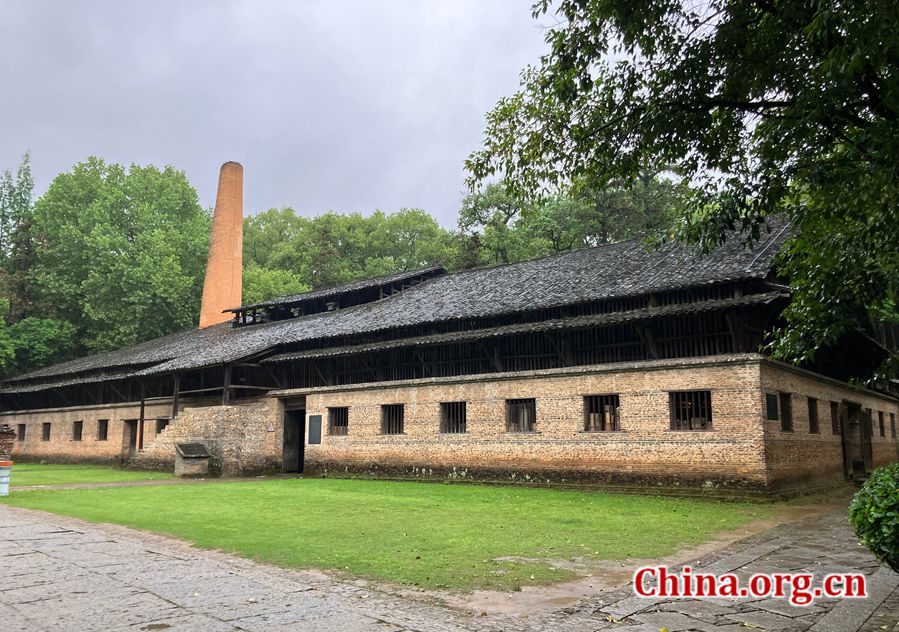
The Jingdezhen Zhen Kiln is an egg-shaped Qing Dynasty (1616-1911) relic located in the Jingdezhen Ancient Kilns & Folk Customs Museum. Measuring 260.03 cubic meters, the Zhen kiln holds the Guinness World Record as the world's largest wood-fired ceramic kiln. [Photo by Zhang Junmian/China.org.cn]
The serial property, which comprises five component parts across the city of Jingdezhen in east China's Jiangxi province, portrays the evolution of the production of handicraft porcelain from the 10th to 19th centuries that had profound industrial, artistic and trading influences in China and globally, according to UNESCO's website. The official description notes that porcelain of the highest quality was produced at Jingdezhen, and its blue-and-white porcelain and designs became a prized global commodity and a symbol of Chinese culture and artistry.
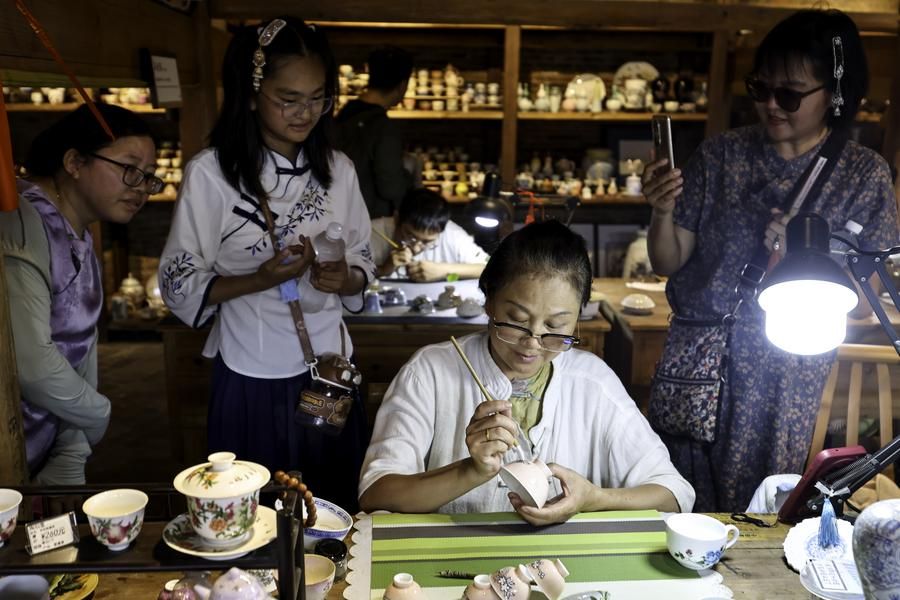
An artisan makes a ceramic product in Taoyangli Historical and Cultural Block in Jingdezhen, Jiangxi province, July 13, 2025. [Photo/Xinhua]
UNESCO's recognition of Jingdezhen, the "ceramic capital" of China, reinforces its status as a living, breathing center for global ceramic art. The listing means a lot to the more than 60,000 people known as Jingpiao (景漂), or "Jingdezhen drifters" — artists, artisans, ceramicists, designers, makers and entrepreneurs who have moved from home and abroad to this small city to pursue their dreams of ceramic art.
The Chinese character "景" (jing) is an abbreviation for Jingdezhen, and "漂" (piao) was initially used metaphorically to describe people who leave their hometowns for development opportunities in megacities, where they might take temporary jobs, move frequently and lack permanent household registration (hukou) — as in Beipiao (Beijing drifters) or Hupiao (Shanghai drifters).
These terms, which were once associated with being rootless and unsettled in a big city, have now acquired a far more positive connotation. They are a badge of honor for people who choose to build a life on their own terms, pursue their dreams and chase their version of success. Jingpiao, coined around 2010, signifies artistic dedication, passion and creativity. Around 5,000 of these are foreign artists, creators and practitioners from more than 60 countries and regions, and they are warmly referred to as "Yang Jingpiao" (洋景漂), or "foreign Jingdezhen drifters," by local residents and the media.
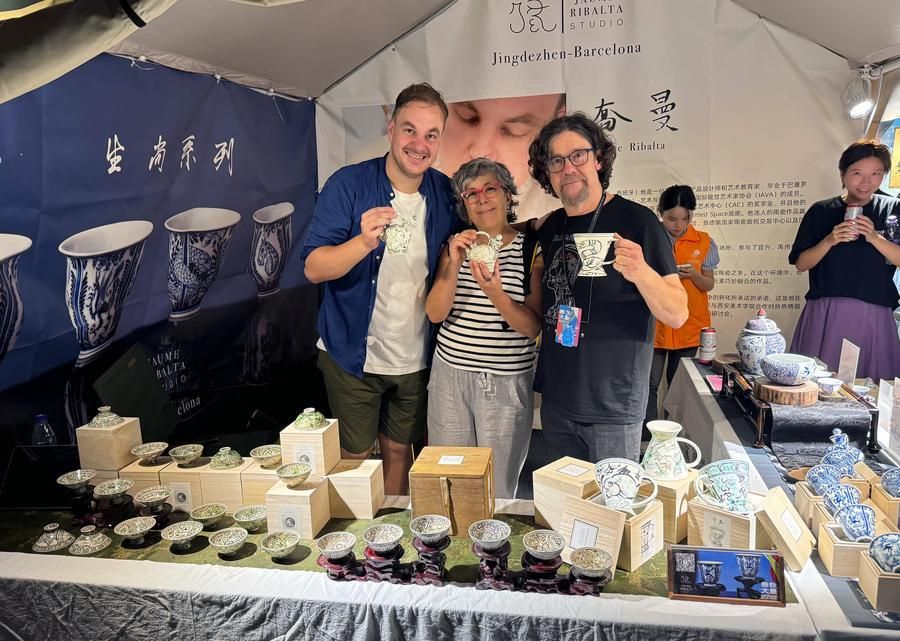
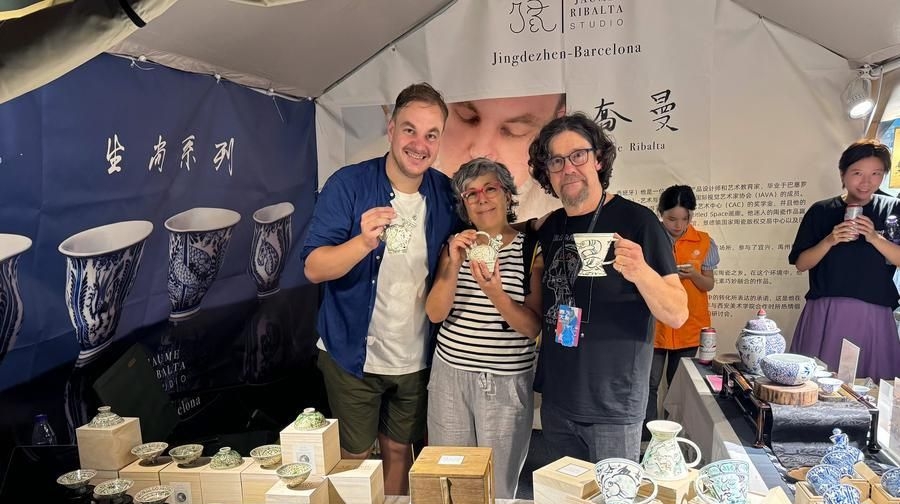
Spanish ceramic artist Jaume Ribalta (left) and friends display porcelain works at a fair in Jingdezhen, Jiangxi province, October 2024. [Photo/Xinhua]
As both beneficiaries of and contributors to Jingdezhen's porcelain heritage, Jingpiao have woven themselves into the city's daily life, forming a robust community with a growing sense of belonging. Together with local inheritors and craftspeople, they are turning the millennium-old porcelain capital into a more vibrant cultural and creative hub, blending tradition with new ideas, fresh designs and tech empowerment to reshape the ceramics production industry for a more sustainable future.
This group is primarily composed of young people, who flock to Jingdezhen for its rich ceramic heritage, a well-established industrial chain that promises bright prospects, low entrepreneurial and living costs, and its inclusive, welcoming atmosphere.
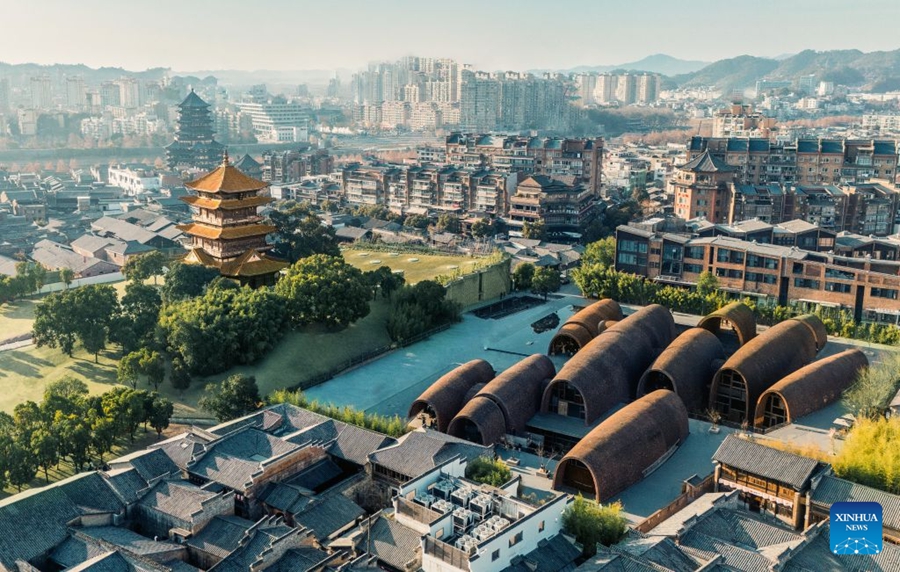
A view of Taoyangli Historical and Cultural Block in Jingdezhen, Jiangxi province, Jan. 17, 2025. [Photo/Xinhua]
Jingdezhen has a ceramic-making history exceeding 2,000 years, an official kiln history of more than 1,000 years, and over 600 years of imperial kiln heritage. For centuries, its exquisite ceramics traveled by sea and land to Asia, Europe and Africa. The ancient city is well-known for its openness and inclusivity, as illustrated by the old saying, "Artisans gather from all directions, and fine wares travel across the world" (“工匠八方来,器成天下走”). Historically, it was said that only 20% to 30% of the population were locals, while the remainder came from elsewhere to work in the porcelain industry.
Today, the city is home to more than 58,000 handcrafted ceramic workshops, and over 3,200 municipal-level or higher inheritors of intangible cultural heritage in ceramic craftsmanship. The 72 main steps in traditional porcelain making, from clay refining to wheel throwing, trimming, hand painting, glazing and kiln firing, live on — not in museums, but in the hands of Jingdezhen-based craftspeople. This legacy is visible in every corner of the city, from ancient kilns re-ignited, individual workshops, and modern factories to cultural and creative districts, artistic communities, local fairs and global exhibitions.
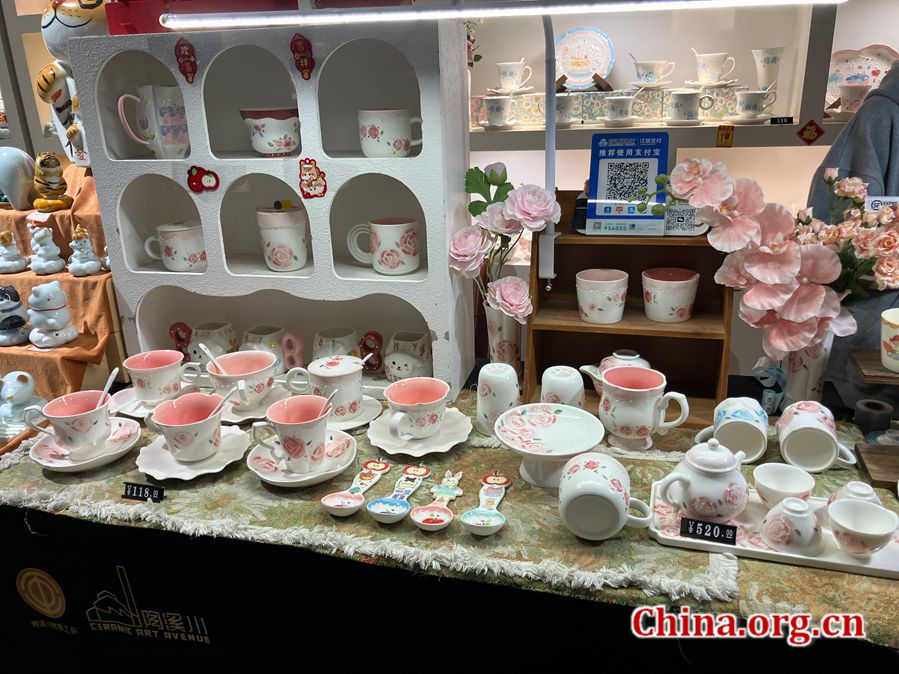
Ceramic products on display at a shop in Taoxichuan Cultural and Creative Block in Jingdezhen, Jiangxi province, April 28, 2026. [Photo by Zhang Junmian/China.org.cn]
By 2025, the total output value of Jingdezhen's ceramic industry had surpassed 100 billion yuan ($14.5 billion), with advanced ceramics — particularly new materials — contributing over one-third. Around 150,000 of its nearly 1.6 million population work in ceramic-related industries, and the city has established partnerships with more than 180 cities in over 70 countries.
Jingdezhen has long embraced a tradition of creativity, integrating pigments, techniques and aesthetics from both East and West to produce the world's finest ceramic products. Today, the city is boosting the development of a national ceramic culture inheritance and innovation pilot zone, aiming to become a leading global center for ceramic culture by 2035.
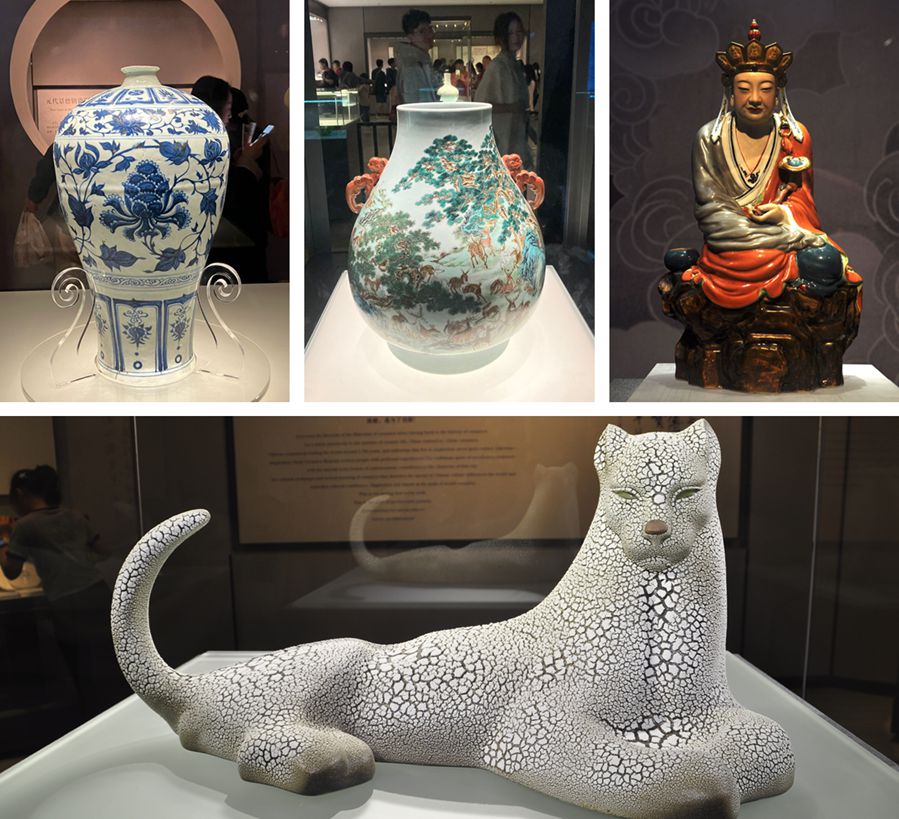
Porcelain wares on display at the Jingdezhen China Ceramics Museum. [Photo by Zhang Junmian/China.org.cn]
The city's outstanding ceramic heritage, enhanced by its innovation and openness, has become a main driver for its urban renewal, industrial updating, creative culture and tourism, digital commerce, and new business formats. Take the Taoxichuan Cultural and Creative Block as an example. The ceramic factory-turned cultural and creative district has incubated more than 4,500 independent ceramic brands. It has become a major hub for porcelain artists and entrepreneurs, with over 33,000 young makers from across the country moving here to work and create.
Jingdezhen embraces Jingpiao with an ever-improving entrepreneurial incubation ecosystem backed by various policies, measures and services, including housing subsidies, start-up loans, special funds, technical support, personnel training and business matchmaking. In recent years, the city has also rolled out policies to facilitate visas and residence permits for foreign artists to settle down, while providing one-stop support covering studio site selection, master-apprentice pairing, kiln rental, product exhibitions and marketing.
Yang Jingpiao, who come to China for ceramics, bear witness to Jingdezhen's evolving ceramic industry and cultural heritage, and share their stories of China and its culture with the world. They are breathing new life into the city's porcelain art creation by merging ancient techniques with modern ideas, along with foreign cultural elements and aesthetics.
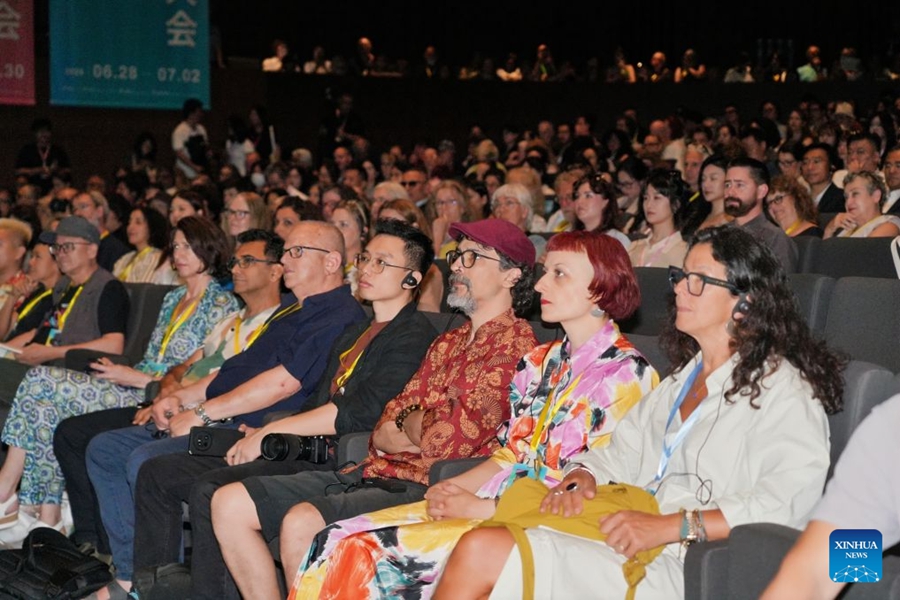
People attend the opening ceremony of the 2026 Congress of the International Academy of Ceramics in Jingdezhen, Jiangxi province, June 28, 2026. [Photo/Xinhua]
Civilizations have become richer and more colorful through exchanges and mutual learning. Jingdezhen has long been connected with the world through the timeless language of porcelain, and its profound porcelain heritage continues to draw artists and artisans from around the globe, sparking new cultural exchanges and possibilities yet to be imagined.


 京公网安备 11010802027341号