Share:

China will strengthen oversight of its booming micro-drama industry as artificial intelligence (AI) drives a sharp increase in production and raises new concerns about content quality and rights protection, an official of the country's broadcasting regulator said at a Thursday press conference.
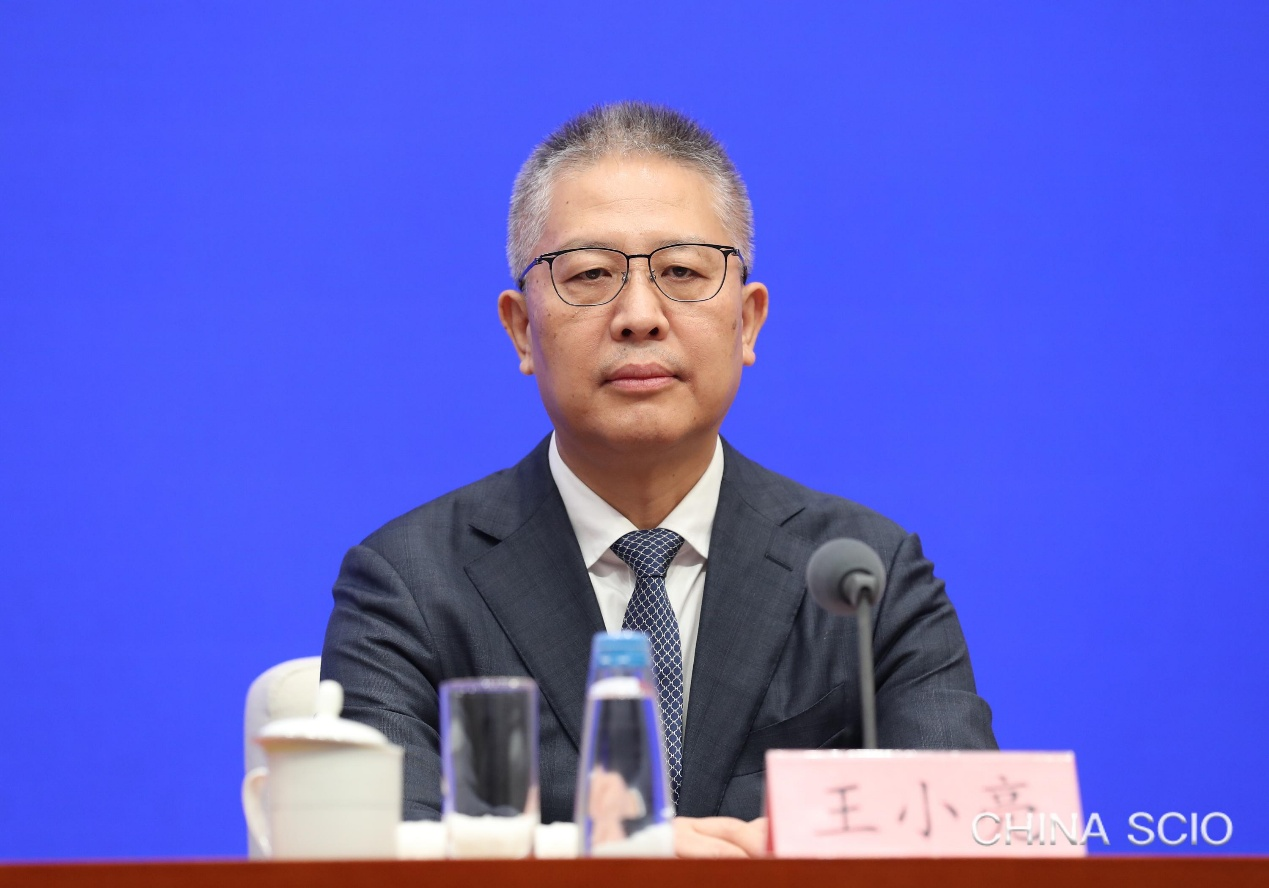
Wang Xiaoliang, director general of the Network Audio-visual Program Management Department of the National Radio and Television Administration, attends a press conference in Beijing, Sept. 17, 2026. [Photo by Xu Xiang/China SCIO]
Micro dramas, or short-form series typically watched on mobile devices, have attracted more than 800 million viewers across China. The domestic market exceeded 100 billion yuan (US$14.97 billion) in 2025, according to Wang Xiaoliang, director general of the Network Audio-visual Program Management Department of the National Radio and Television Administration.
Approximately 430,000 micro dramas were released in the first eight months of 2026, 13 times the total of last year, Wang said, adding that more than 90% of them were produced using AI technologies.
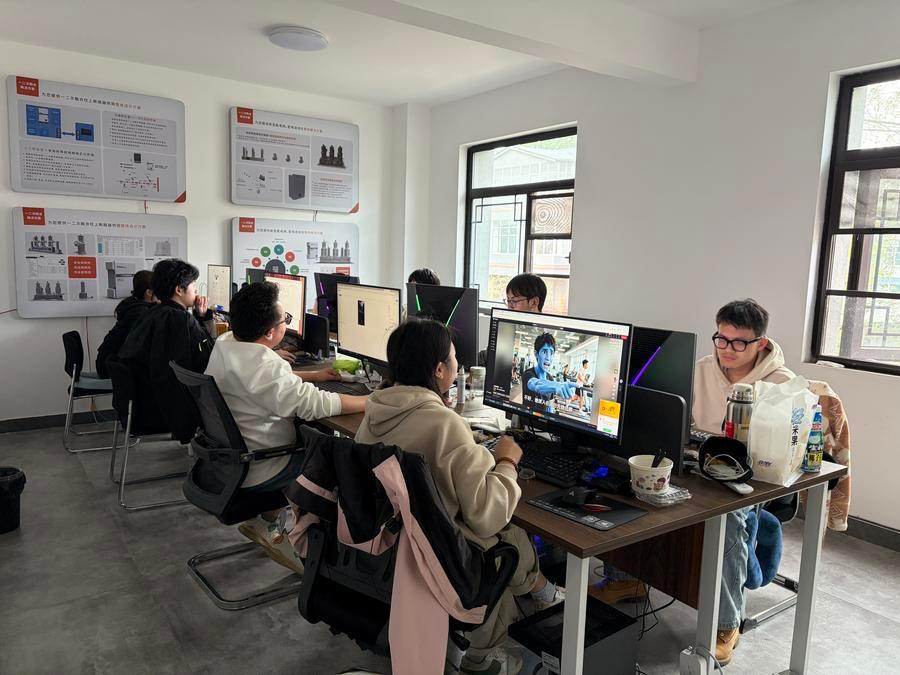
Staff members produce micro dramas with the assistance of AI at a studio in Zhengzhou, central China's Henan province, April 9, 2026. [Photo/Xinhua]
Wang said the widespread adoption of AI had created new opportunities for creative expression while helping reduce costs and improve efficiency, but it has also brought new challenges involving content quality and rights protection.
"AI is a tool. Humans are the creators," Wang said. "The faster AI dramas develop, the more important it is to maintain strong content standards."
The regulator will continue to support live-action productions, which Wang said is the main source of high-quality content. Platforms have been encouraged to create dedicated sections for live-action dramas and provide financial support to help well-produced titles reach audiences and generate returns.
AI-produced dramas, meanwhile, must carry labels identifying them as such. Platforms will also be required to verify that creators have obtained permission to use a person's likeness or voice and strengthen checks throughout the production and distribution process, Wang said.
Chinese regulators have stepped up enforcement against vulgar and harmful material, content deemed inappropriate for children, and copyright violations. Since the beginning of this year, authorities have removed 68,000 micro dramas and directed platforms to take action against more than 1,200 accounts. More than 90% of the content targeted in those actions involved AI-produced micro dramas, Wang said.
Alongside stricter enforcement, the administration aims to release 1,000 high-quality micro dramas this year, focusing on themes including contemporary life, regional culture, and international communication. It is encouraging a broader range of creators to enter the field, including ordinary people telling stories from their communities.
Wang cited farmers in the eastern city of Qingdao who had turned stories from rural life into micro dramas. The regulator is also expanding its "micro drama plus" program, which links short-form productions with tourism, sports, e-commerce, and other industries.
China's 15th Five-Year Plan (2026-2030) lists micro dramas for the first time as an emerging form of cultural business to be actively developed. Wang said the designation has brought opportunities for the industry but also greater responsibilities.


 京公网安备 11010802027341号