 Share:


Scientific and technological challenges increasingly cross national borders, but turning shared ambitions into practical solutions requires more than exchanging ideas. From aligning standards for clean hydrogen to developing engineering talent and advancing infrastructure monitoring, experts at the 2026 World Science and Technology Development Forum (WSTDF) in the southwestern metropolis of Chongqing highlighted the importance of countries combining their different strengths and building cooperation around concrete needs.
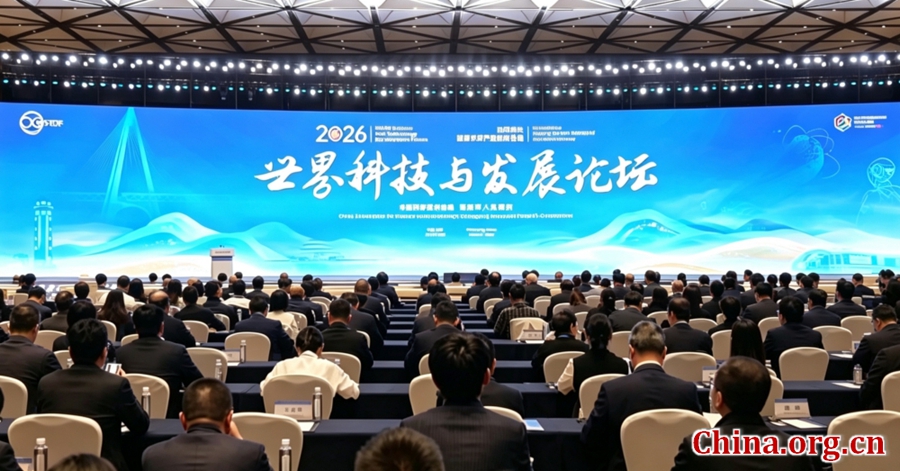
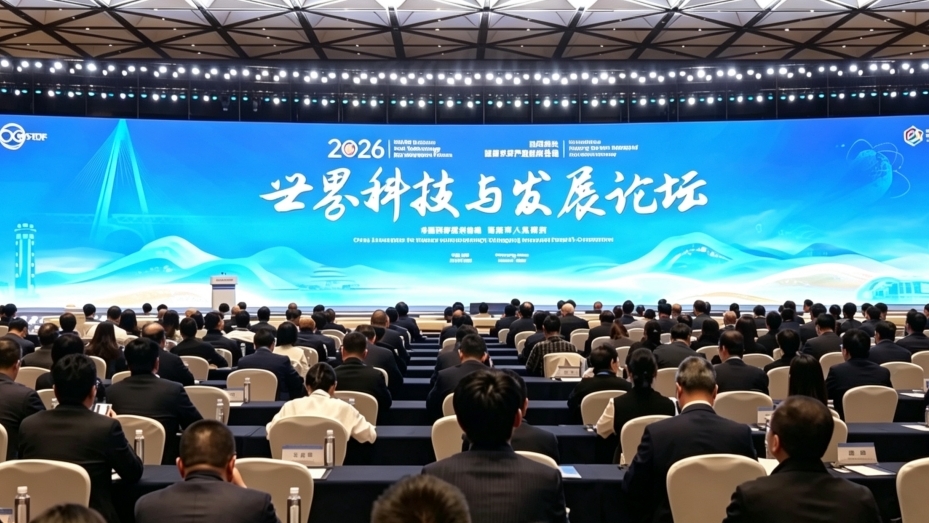
The 2026 World Science and Technology Development Forum (WSTDF) kicks off in Chongqing, Oct. 21, 2026. [Photo/China.org.cn]
The forum was held Oct. 21-23 under the theme "Co-evolution: Shaping the New Ecology of the Future Industry." Hosted by the China Association for Science and Technology (CAST) and the Chongqing Municipal People's Government, the event brought together about 800 guests from the scientific, educational, economic and industrial communities, including representatives of international science and technology organizations, executives of high-tech enterprises and young researchers.
Launched by CAST in 2019, the forum aims to pool global wisdom, inspire innovative ideas and provide a platform for nongovernmental scientific and technological exchanges. This year's program included 12 parallel forums covering fields such as green hydrogen, engineer capacity building and intelligent perception.
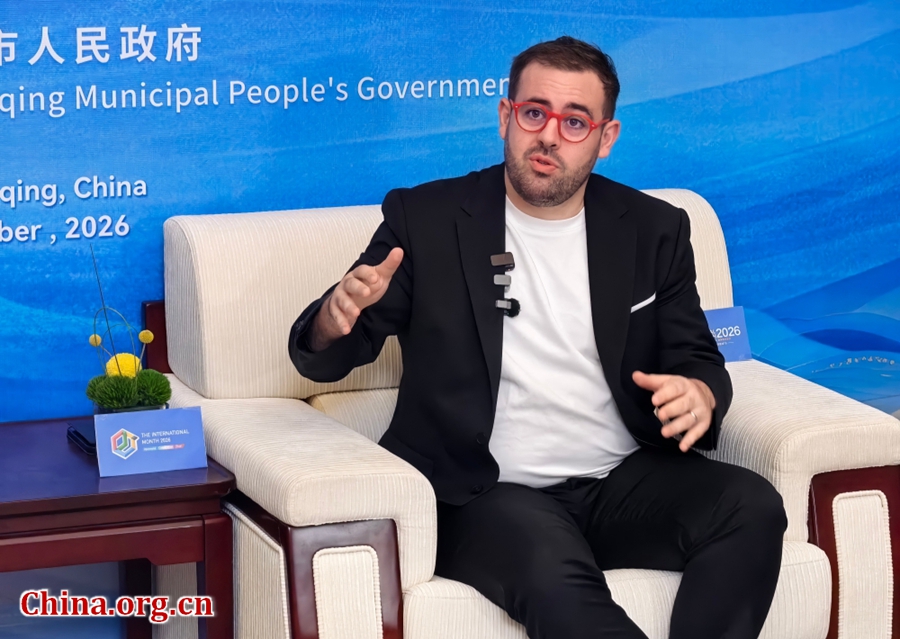
Mikaa Blugeon-Mered, senior researcher on hydrogen at the Canada Research Chair in Clean Hydrogen at the University of Quebec at Trois-Rivières, speaks to the media during the 2026 WSTDF in Chongqing, Oct. 22, 2026. [Photo by Mi Xingang/China.org.cn]
In the clean hydrogen sector, cooperation is closely linked to the development of standards, infrastructure and viable markets. Mikaa Blugeon-Mered, senior researcher on hydrogen at the Canada Research Chair in Clean Hydrogen at the University of Quebec at Trois-Rivières, identified three factors shaping a country's competitiveness: a skilled workforce across the value chain, infrastructure connecting producers with users, and a systematic approach to hydrogen's applications.
Hydrogen, he noted, should not be considered in isolation. Its potential is also connected to products and applications such as ammonia, e-methanol, steel and cement. He also stressed the need for a systematic approach to the hydrogen value chain, with policy coordination covering production, storage and transportation.
International standards and certification mechanisms can help facilitate trade, Blugeon-Mered said, pointing to cooperation between China and the European Union in this area. At the same time, he cautioned that an export-oriented model is not suitable for every region, emphasizing the importance of retaining value locally as the hydrogen industry develops.
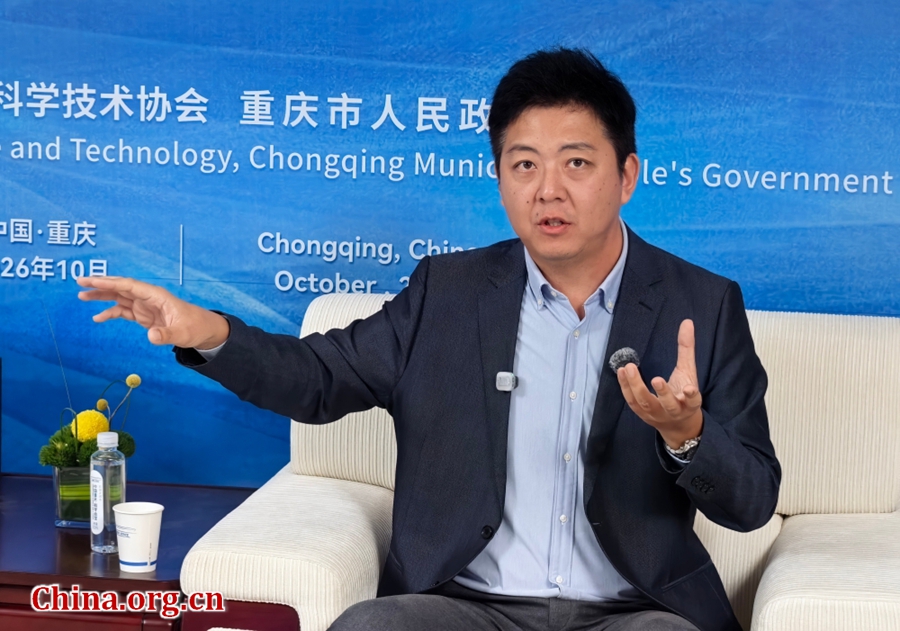
Go Nakanishi, founder and CEO of Integral New Energy Co. Ltd., speaks to the media during the 2026 WSTDF in Chongqing, Oct. 22, 2026. [Photo by Mi Xingang/China.org.cn]
From a business perspective, Go Nakanishi, founder and CEO of Integral New Energy Co. Ltd., emphasized the importance of cooperation across the entire hydrogen value chain. Drawing on the challenges encountered in early industry development, he noted that hydrogen production, demand and equipment maintenance do not always progress in step. Forming large alliances alone does not guarantee success. He advocated bringing together experienced partners to establish successful demonstration projects, allowing other enterprises to learn from proven approaches.
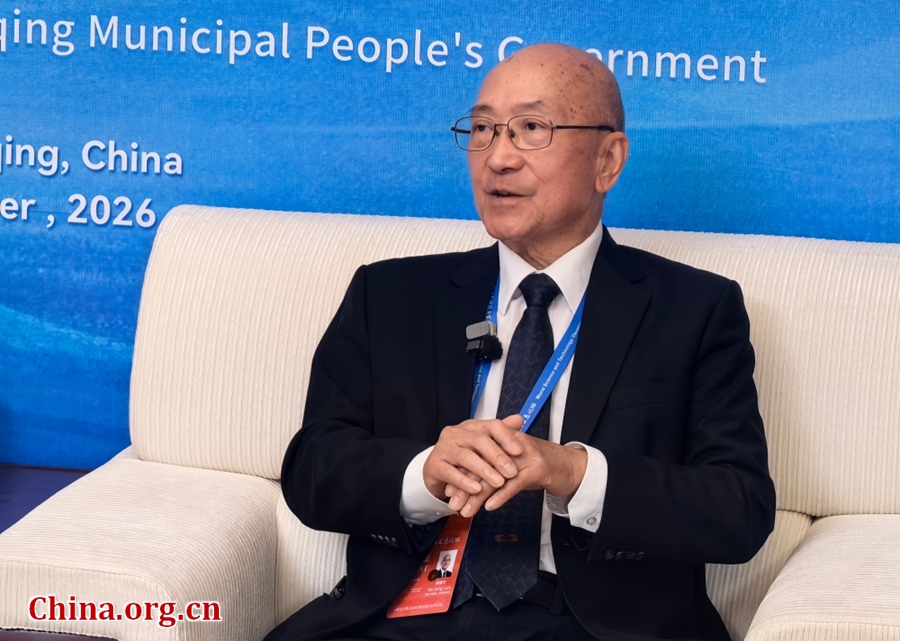
Lock Kai Sang, professor at the Singapore Institute of Technology, speaks to the media during the 2026 WSTDF in Chongqing, Oct. 21, 2026. [Photo by Mi Xingang/China.org.cn]
The discussion of cooperation also extends to the people who develop and apply new technologies. Lock Kai Sang, professor at the Singapore Institute of Technology, highlighted the role of international engineering accreditation and professional exchange in helping engineers develop their capabilities and enabling qualifications to be recognized across borders.
As technologies evolve rapidly, he argued, engineering education must encourage continued learning rather than rely solely on knowledge acquired during university. China can contribute by opening more opportunities for international engineers and students to participate in training and exchange, while also learning from their experience, he added.
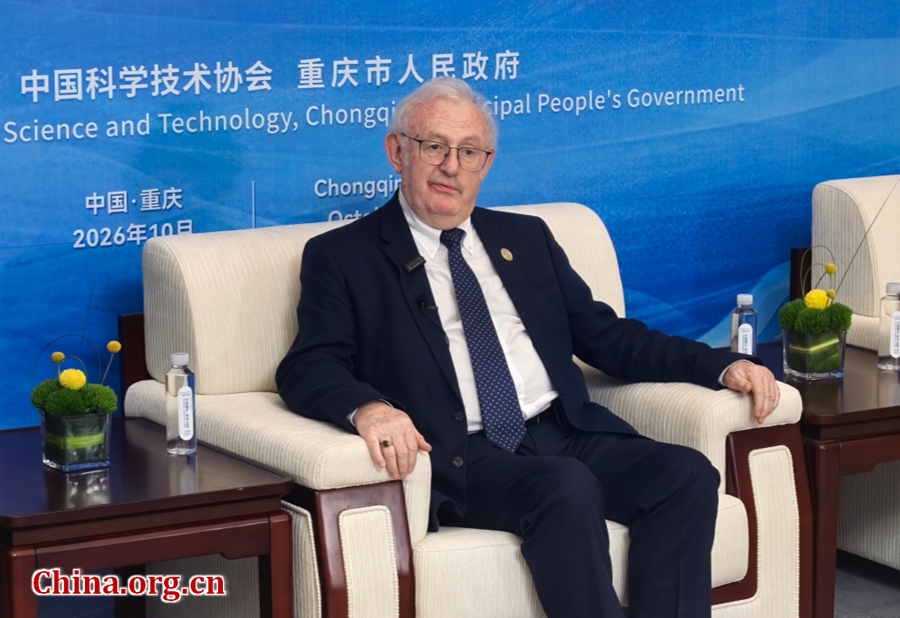
Kenneth Grattan, fellow of the Royal Academy of Engineering in the U.K. and former dean of the City Graduate School, City University of London, speaks to the media during the 2026 WSTDF in Chongqing, Oct. 21, 2026. [Photo by Mi Xingang/China.org.cn]
Kenneth Grattan, fellow of the Royal Academy of Engineering in the U.K. and former dean of the City Graduate School, City University of London, said that international cooperation is equally important in the development and application of fiber-optic sensing. He highlighted the potential of fiber-optic sensing for structural health monitoring, particularly in a city such as Chongqing, with its mountainous terrain and extensive infrastructure. Such sensors can be deployed across bridges, roads, dams and other infrastructure, using a single network to monitor structural strain, cracking, temperature and chemical changes.
Reflecting on decades of collaboration with Chinese students and academics, Grattan also stressed that global challenges require people from different disciplines and countries to work together. Scientific problems are increasingly interconnected, he said, making it essential to build teams with a broad range of expertise rather than approach challenges from a single field.
With its focus on "Co-evolution: Shaping the New Ecology of the Future Industry," this year's forum provides a setting for these discussions across sectors and borders. Cooperation is most effective when it connects complementary capabilities, addresses practical challenges and creates opportunities to turn scientific knowledge into solutions.


 京公网安备 11010802027341号