 Share:


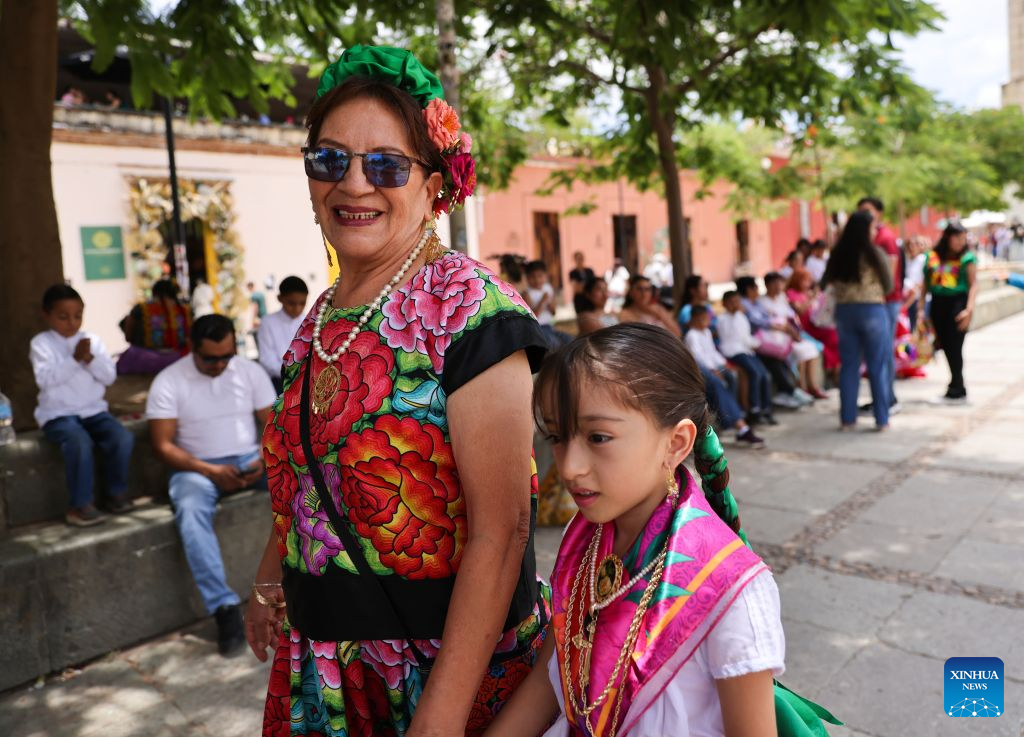
7月29日,在墨西哥瓦哈卡州瓦哈卡市,市民身着特瓦纳传统服饰走在街头。[新华社记者 柳文惠 摄]
Citizens wearing traditional Tehuana attire walk along a street in Oaxaca City, Oaxaca State, Mexico, July 29, 2026. (Xinhua/Liu Wenhui)
数百年前,往返菲律宾马尼拉与墨西哥阿卡普尔科的大帆船,将中国丝绸、瓷器等商品运抵美洲。
Centuries ago, Chinese silk and porcelain products were shipped to the Americas via the Manila-Acapulco galleon trade route.
产自广州及珠江三角洲部分地区的广绣披肩经马尼拉转运,最终销往西班牙等地,因而被称为“马尼拉披肩”。
Cantonese embroidered shawls made in China's Pearl River Delta were transported through Manila and eventually sold in Spain and elsewhere, giving rise to the name "Manila shawl."
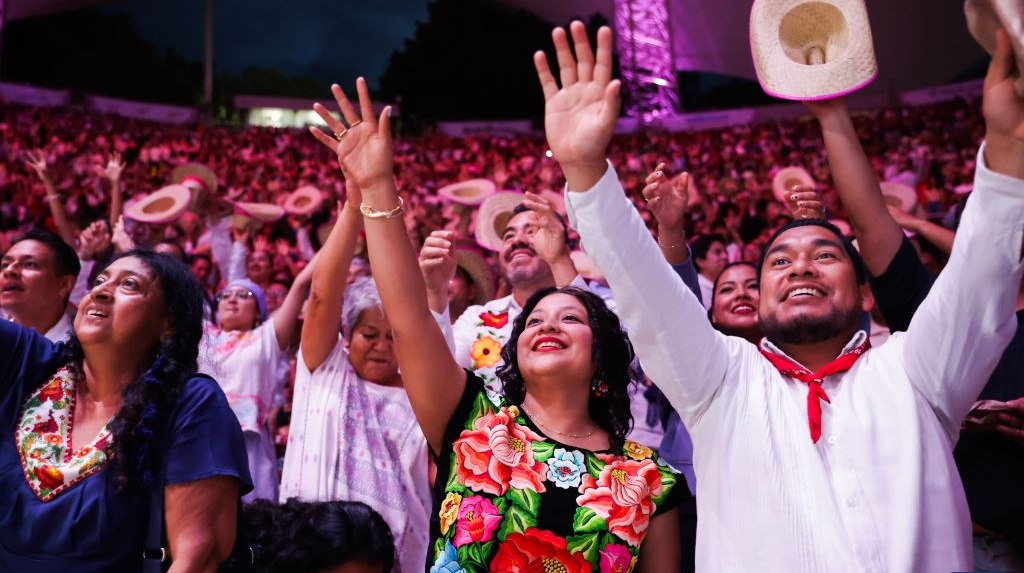
有墨西哥服饰研究者认为,现代特瓦纳服饰中短款上衣的绣花纹样与马尼拉披肩的经典设计有联系。墨西哥有关文化档案中也提到,受到随“中国船”贸易进入墨西哥的织物影响,到20世纪初,特瓦纳服饰的装饰逐渐从几何图案转向花卉图案为主。
Mexican costume researchers note that the embroidered motifs on the short blouses of modern Tehuana dress are linked to classic "Manila shawl" designs. According to Mexican cultural archives, Chinese fabrics brought by the maritime trade shifted Tehuana dress decoration from geometric patterns to predominantly floral motifs by the early 20th century.
如今,广绣披肩在传承中持续创新,特瓦纳花衣仍活跃在节庆与日常生活之中。一根丝线跨越太平洋,见证不同文化在交流互鉴中彼此汲取、各自生长。
Today, Cantonese embroidered shawls continue to evolve, while Tehuana floral garments remain part of festivals and daily life, reflecting how cultures draw from one another and grow through exchange.


 京公网安备 11010802027341号