 Share:

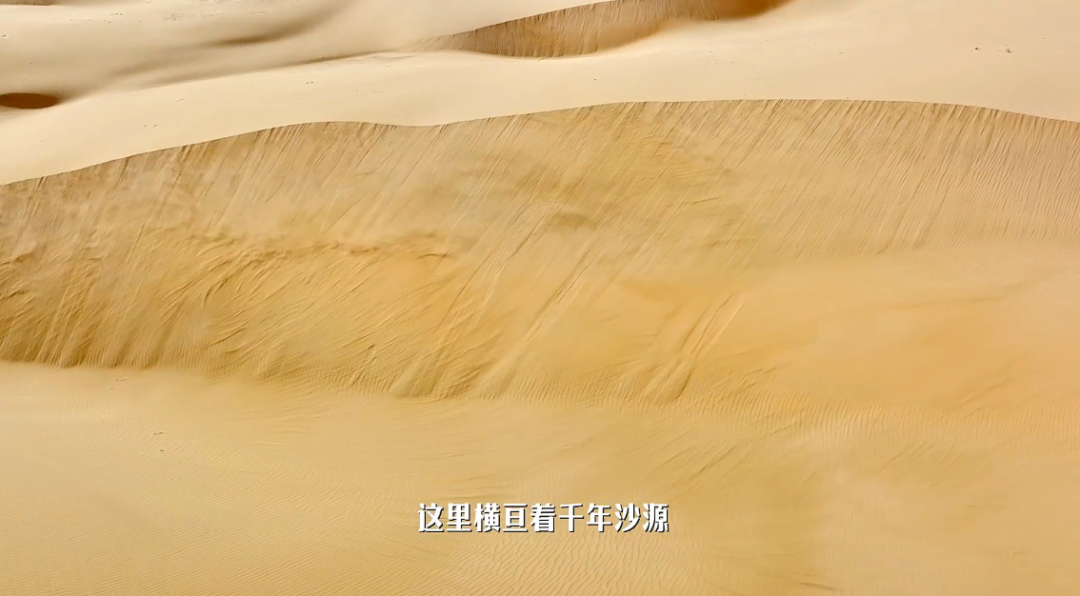
While deserts across the globe devour green land at a rate of 60,000 square kilometers per year, on the southern bank of the Yellow River in Ordos, people are pushing the sands back at a pace of 10,000 mu per day.
Here lie two ancient sources of sand: the Kubuqi Desert and the Mu Us Desert. Today, green is spreading visibly across the sea of sand. In 2025, Ordos completed desertification control on 19.05 million mu of land. The Kubuqi Desert is now 50% under control, and the Mu Us Desert has reached an 85% control rate — more than halfway toward the goal.
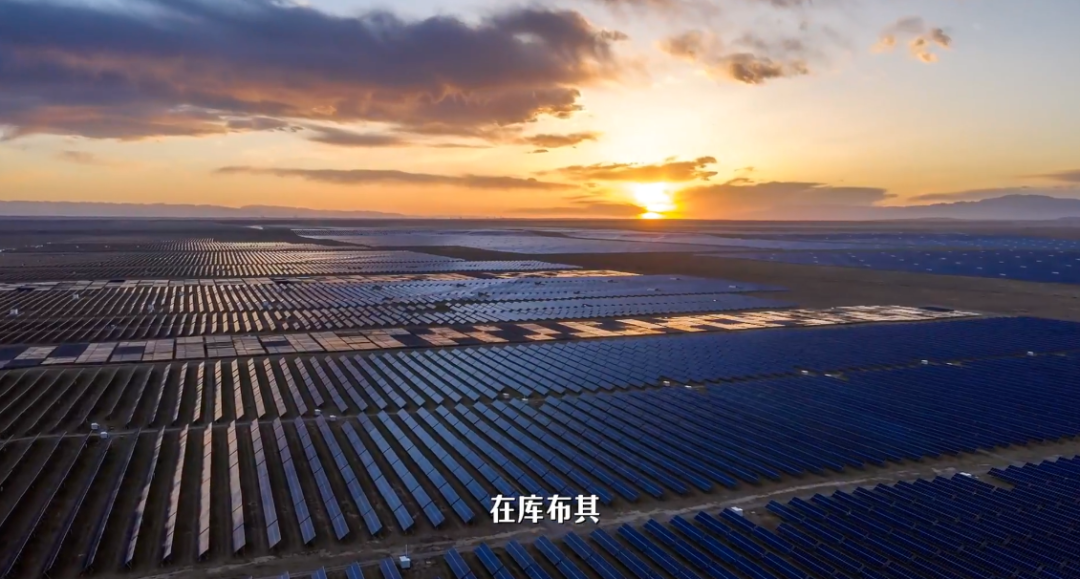
In the Kubuqi, a massive photovoltaic array rises from the dunes: arrays stretching 14 kilometers east to west and 2 kilometers north to south. Above, the panels generate clean energy; below, saxoul and sea buckthorn take root. The shifting sands halt before this barrier where new energy and ecology thrive together.
In the Mu Us Desert, where shifting dunes are more frequent, the challenge is greater. Ordos has turned to machinery for the solution. Desert-crossing roads snake through as lifelines. A mechanized "desert control corps" — seeding drones, tree-planting robots, and sand barrier layers—advances into no man's land, accelerating the pace of restoration in Mu Us.
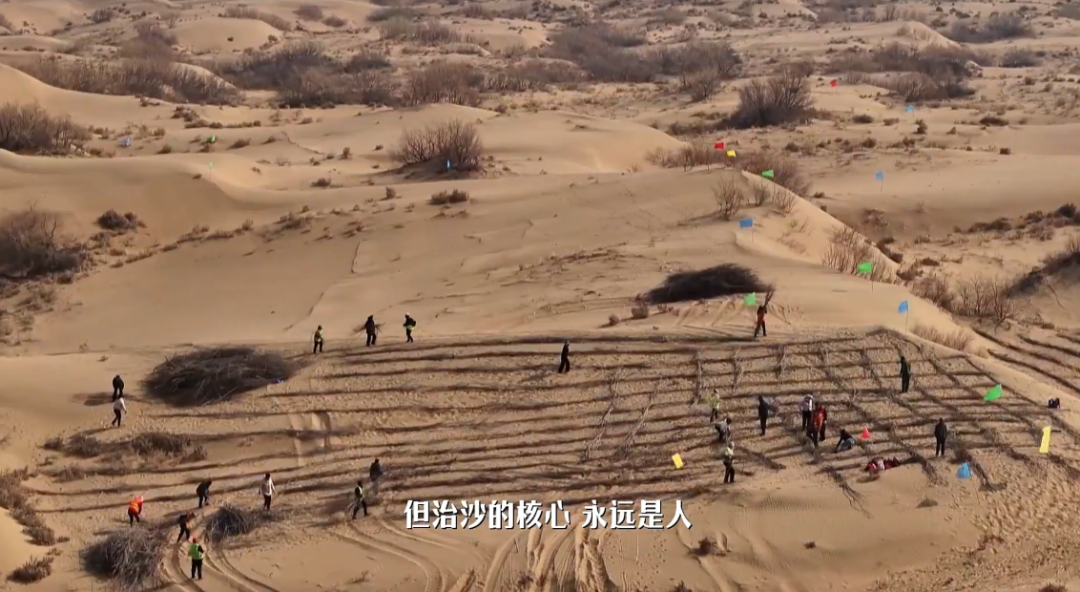
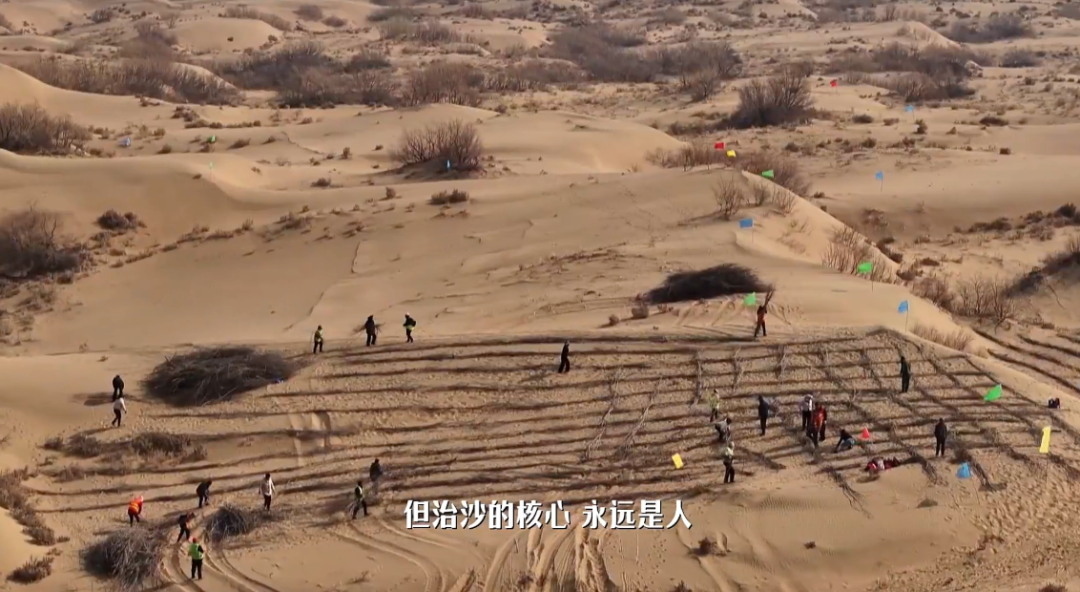
Yet the heart of this effort remains human. Where people once retreated before the sand, now the sand retreats before people.
Orgil, a returning entrepreneur from Ordos, says: "I have been planting trees in my hometown for nearly ten years and founded a cooperative. I hope more people will join the voluntary tree-planting efforts."
In satellite images from the year 2000, Ordos was a stretch of brownish yellow dotted with sparse green. Twenty-six years later, green dominates the landscape. In this protracted war against the desert, Ordos must win—and it inevitably will.


 京公网安备 11010802027341号