Share:

In recent years, Ordos in north China's Inner Mongolia autonomous region has prioritized ecological conservation and green development, making green mining a key driver for the transformation of this resource-dependent region. By July 2026, the city had built 191 green mines, including 32 at the national level.
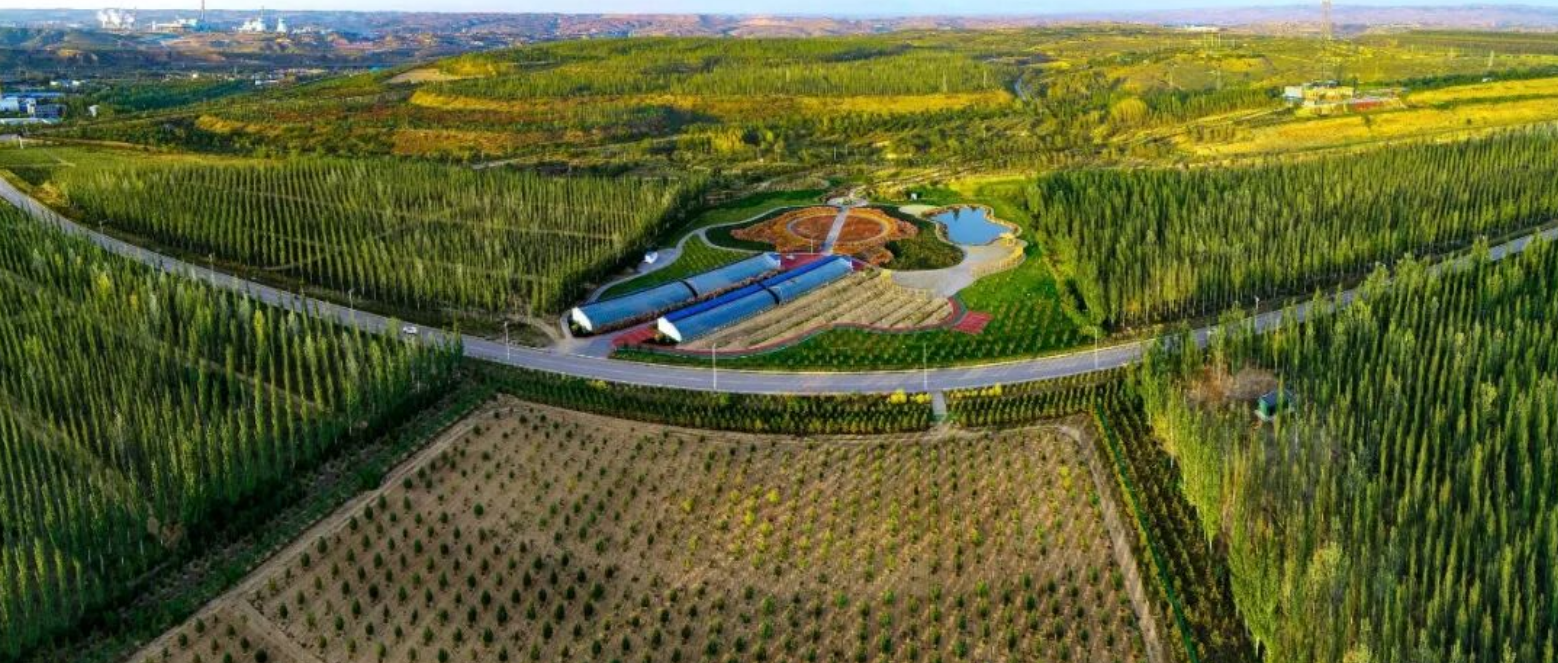
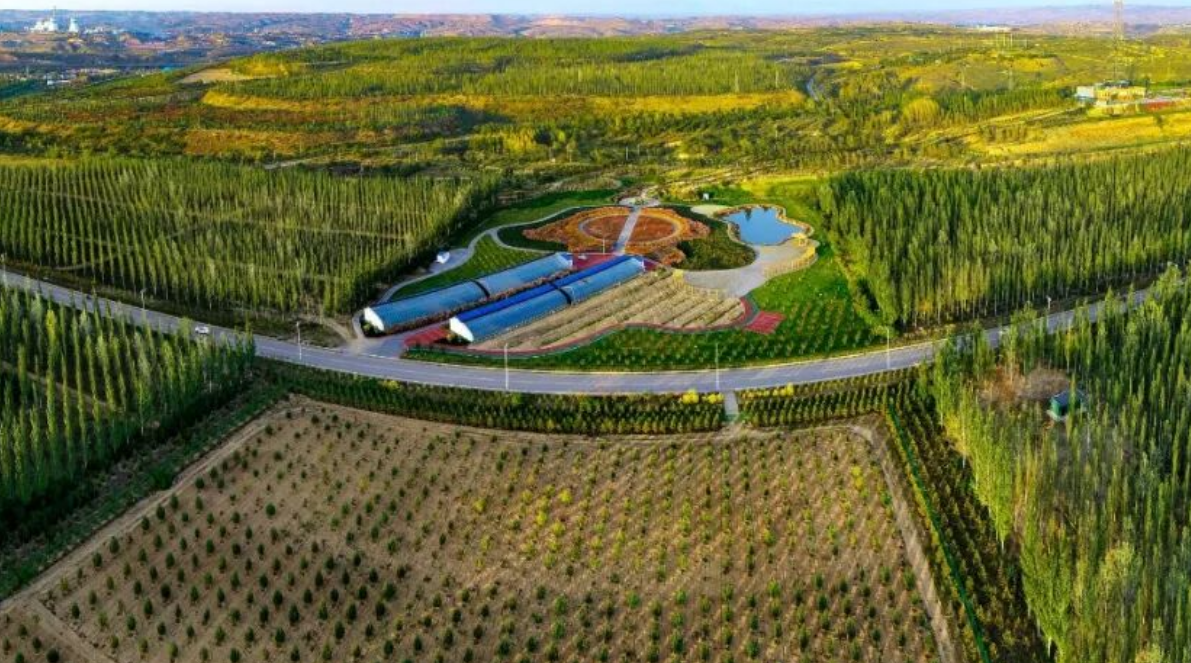
Ordos has put in place a comprehensive institutional framework to support the sustainable development of green mining. In 2020, the city enacted China's first local regulation on green mining, clarifying planning, assessment, and accountability. In 2025, the management measures for the mine geological environment restoration fund were revised to expand their coverage to mining areas and affected townships, supporting integrated reclamation, land remediation, and rural ecological projects. Detailed evaluation criteria and operational guidelines have also been issued, alongside a dynamic review mechanism for continuous improvement, and tax incentives for compliant companies. Coordination across municipal and district departments, together with active corporate participation, has strengthened the overall governance system.
Ordos has promoted cross-regional coordinated reclamation, covering nearly 50 square kilometers. In areas such as Dongsheng and Jungar, projects including seabuckthorn forests, modern livestock farming, smart agriculture, and photovoltaic bases have been developed. The city has also pursued integrated models combining mining with agriculture, tourism, and solar energy, creating a full chain of planting, husbandry, and eco-tourism that generates local employment and ensures that restoration efforts drive industrial growth and benefit local communities. In terms of digital transformation, since the start of the 14th Five-Year Plan period in 2021, Ordos has invested 170 million yuan in 38 science and technology projects. As of July 2026, the city has built 164 intelligent coal mines, with a total capacity of 760 million tons per year. Surface mines have deployed 279 unmanned haul trucks, while underground mines have widely adopted automation systems. The city has also launched the country's first 5G smart coal mine demonstration project. Mining companies are required to submit annual restoration plans. By the end of 2025, a cumulative 320 square kilometers of open-pit mines and 491 square kilometers of subsidence areas had been rehabilitated, with a range of eco-farming, photovoltaic, and mining park projects completed.
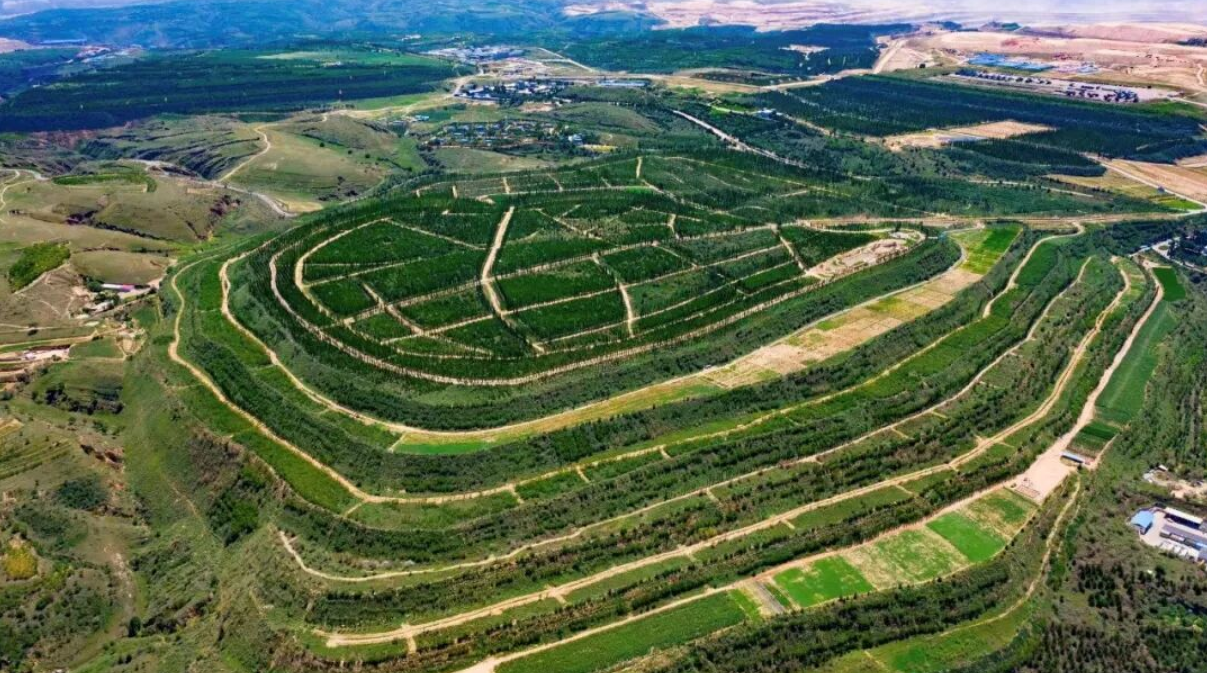
A campaign to clear historical abandoned mines has invested 910 million yuan in 32 projects covering 71 square kilometers. Among these, a key ecological demonstration project in the Yellow River basin involved 237 treatment areas across six banners, restoring 28 square kilometers and essentially resolving long-standing environmental issues. In solid waste management, 19 coal mines have adopted backfilling technologies. In 2025, these technologies consumed approximately 5.38 million tons of coal gangue, with one plant generating power from gangue. Water management integrates soil conservation with water abstraction permits, ensuring tiered use of mine water. Advanced dewatering technology has also addressed coal slurry challenges. For monitoring, Ordos has established an integrated system combining satellite, ground, and online oversight, with regular inspections to ensure that restoration results are sustained.
Today, the former Heidaigou mining area has been transformed into a national mining park; the Jungar Banner reclamation zone now flourishes as fertile farmland; and the Otog Front Banner subsidence area hosts a vast photovoltaic field. Intelligent mining, backfill techniques, integrated solar-plus-restoration, and ecology-plus-industry models have turned the region's industrial past into a greener present, achieving a balanced outcome across ecological, economic, and social dimensions. Ordos has forged a new path of green transformation, offering a replicable model for other resource-dependent regions pursuing sustainable development. Looking ahead, the city will continue to strengthen its ecological foundations and drive industrial prosperity through green growth.


 京公网安备 11010802027341号