| Videos | • Latest |
|
• Feature | • Sports | • Your Videos |

Chair, symbol of social standing
 0 Comments


If you're sitting down to watch, you may find this next story even more interesting. For collectors of ancient Chinese furniture, the chair is a most essential category. Today, we take you to visit the chair collection at the Guanfu Museum in Beijing.
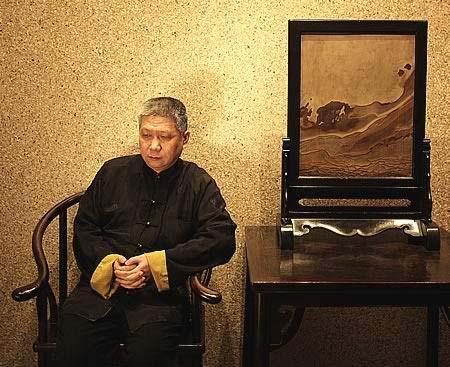
Chairs usually have the seat raised above floor level and are supported by four legs. But even such a commonplace stick of furniture should not be taken for granted. In the Chinese civilization, the chair in its present-day shape appeared more than a thousand years ago. It evolved from the folding stool of nomadic tribes out in the frontier areas.
Ma Weidu, Curator of Guanfu Museum, said, "The folding stool is the ancestor of all kinds of Chinese chairs. Prior to that, the largely farming population of China sat on mats spread on ground. We first borrowed the folding stool from the nomads. Back then, it was called the barbarian bed."
It was during the Song Dynasty in the 11th century that Chinese chairs took on their present-day shape and design. From then on, it began to multiply to serve a wide variety of purposes. For aristocrats and senior officials, chairs were considered an article of state and dignity, and an emblem of authority.
As a standard item of everyday furniture, chairs came into general use during the Ming Dynasty in the 14th century, when more advanced carpentry tools were introduced into China.
The Guanfu Museum displays a collection of chairs that chronicle its long and tortuous evolution in China. Through their various adornments, they also represent the traditional arts like porcelain making and sculpture.


Comments