China-EU landmark Geographical Indications Agreement to propel trade of high-quality products to new highs
 0 Comment(s)
 Print
Print E-mail Xinhua, January 9, 2021


Larger sales
While the implementation of the agreement will surely better protect GI products from both sides, it brings substantive benefits by mutually recognizing those products and creating greater opportunities for product sales on both markets.
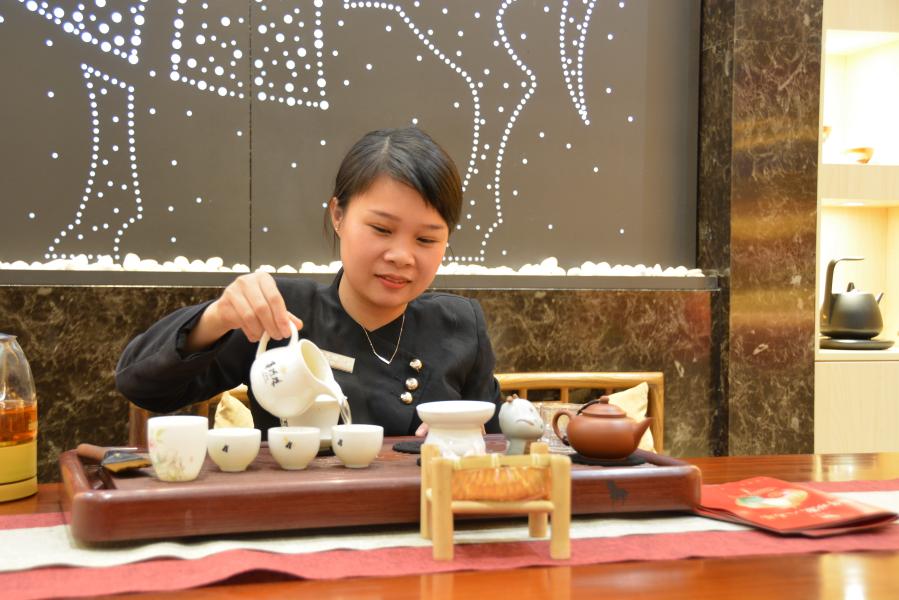
As a local pillar industry, the sale of Anxi Tie Guan Yin provides income for 80% of the county's 1.2 million people and 56% of the average annual net income for local farmers. "At present, Anxi county has 600,000 mu (or 40,000 hectares) of tea plantations with an annual output of 62,000 tons and a total production value of 25 billion yuan (about US$4 billion)," Liu explained.
The formal implementation of the agreement further reassured Wu Rongshan, chairman of Fujian Sanhe Tea Co., of the significance to continue exploring the European market. Wu told Xinhua that with its unique natural environment and superb tea-making technology, their oolong tea has been quite popular in the domestic market, and there's still room for improvement in its popularity and market share in Europe.
"Anxi Tie Guan Yin is included in the agreement, which means that our products will be more easily recognized by the European Union," Wu said, adding that the tea will gain foothold in a larger international market.
The agreement's implementation "will help producers protect local competitiveness, improve the quality and reputation of goods, and protect consumers from counterfeiting. This agreement also helps... high-quality Chinese food enter the homes of ordinary people in Italy," Livio Mazzanti, area manager China for Italian winemaking company Marchesi Mazzei, told Xinhua.
"I like a lot of Chinese food in the agreement, and tea has a big market in Italy. As these origins are protected, Italians can purchase Chinese food with greater confidence. It is expected that the sales of Chinese food in Italy and Europe will grow rapidly," Mazzanti added.
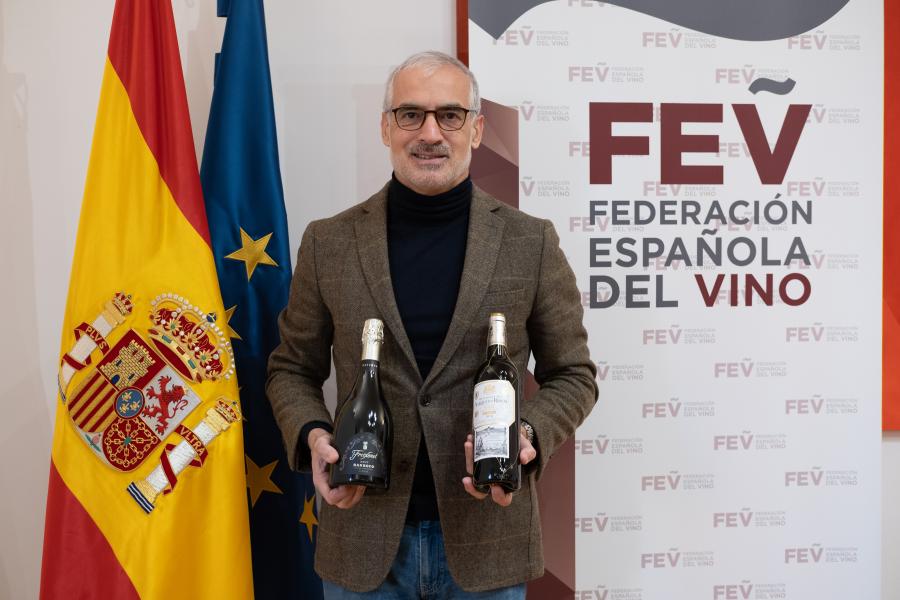
Also included in the agreement are wines, which account for a significant part of Spain's exports. Jose Luis Benitez, general director of the Spanish Wine Federation, told Xinhua that he believed the forecasts for wine exports to China show a growing trend.
"China is currently Spain's fourth largest market for bottled wines. However... there are predictions that China could end up becoming the second largest market for Spanish wines," he said.
Huge potential
Apart from the GIs already listed, the agreement will expand, in the upcoming four years, to cover additional 175 GI names from both sides. In the extended lists, GIs representing traditional Chinese culture such as Xuan Paper, Huangmei Cross-stitch, Shu Brocade and Qingshen Bamboo Weaving will be included, with bilateral cultural exchanges likely to be boosted.
Already internationally popular, iconic Chinese GIs such as Anxi Tie Guan Yin are also seen as representatives of traditional Chinese culture. Wu Rongshan believes that the agreement will help increase the tea's popularity and recognition in Europe, and allow more European consumers to learn about Chinese tea culture through Tie Guan Yin, and then get to know China's traditional culture.
Liu Qingzhou told Xinhua that with the agreement, the county would not only increase the brand's influence, but also, with tea as a medium, promote cultural exchanges and economic cooperation between China and the EU.
The huge potential of the agreement also stands out at this unusual time of uncertainties against the backdrop of rising global unilateralism, trade protectionism and the ongoing pandemic.
The EU's additional list of 175 GIs includes wines from the northeastern Priorat region in Spain, where wines are recognized for their quality under the Denominacion d'Origen Qualificada (DOQ) classification, a national system to regulate the quality and geographical origin of food and drinks.
"There are increasingly more Chinese companies interested in Priorat wines, and there are increasingly more of Priorat's small family wineries interested in that contact," Salus Alvarez, president of the DOQ Priorat, told Xinhua, estimating that the Chinese market can account for up to 25% of Priorat's wine exports in the future from the current 10%.
Although the pandemic interrupted the growth of commercial ties between Priorat wines and the Chinese market, Alvarez is confident that business will soon pick up. "We predict that 2021 will see a reunion with the Chinese market and the link that is being established in terms of friendly relations and of trust is very strong," he said.
Fernando Miranda, secretary general of the Spanish Ministry of Agriculture and Food, is optimistic about the agreement and its potential, as it will be expanded to cover a further 36 Spanish agri-food products. The DOQ products "make up 12% of our exports, so it guarantees growth in those products of the highest quality," Fernando told Xinhua.
Christophe Danneaux, vice president Champagne of Martell Mumm Perrier-Jouet, told Xinhua that he remained very positive on their exports to China despite the pandemic.
"We are optimistic about the economic recovery and the gradual reopening of bars, restaurants and hotels. We have chosen to maintain a strong presence through activations throughout 2020," he said.
His company was a partner of the West Bund Art Fair in Shanghai last October, and soon after completing a campaign for a brand in China, "we are already preparing the festivities for the Chinese New Year," Danneaux added.


Go to Forum >>0 Comment(s)