Variety is the spice of Nanning
 0 Comments


It's not just the clothes, songs and traditions that bring variety to the region, the cultural differences also spawn architecturally distinct styles. A Thai Buddhist temple sits on Qingxiu Mountain, accompanied by a traditional wooden Thai dwelling on raised stilts. The temple has all the things you would expect (except monks when we visited), but unlike the temples in Beijing the walls are white and the roof is a mix of orange, green and red. Despite incorporating various Buddhist traditions the temples architecture and decoration has its own unique Thai style, not normally associated with China. The Thai building on stilts and some traditional minority dwellings at Yiling Cavern were a quaint picture of the way some people still live in China and the wider Southeast Asia region. Guangxi Zhuang Autonomous Region has such a rich diversity, and it is quite clearly celebrated and cherished by all who experience it. Perhaps it's too early to call Nanning China's first 'melting pot' but with it's diverse past and international future it definitely has the potential to be.
|
|
|
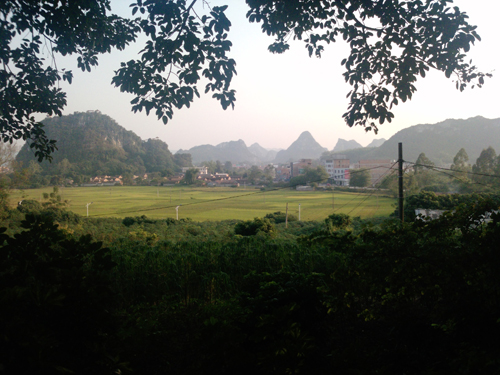
Stunning countryside at Yiling Cavern. |
While in Nanning my aim had been to find out a little more about the different cultures that make up China, however, I still found myself being overwhelmed and entertained by the traditions and quirks of some of my Han friends. It just goes to show, whether a minority or majority culture, the world's people still have a lot to learn about each other.
 |
|
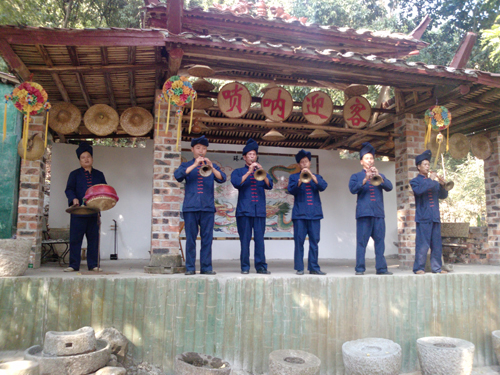
Traditional minority music is played to greet us. |


Comments