 |
|
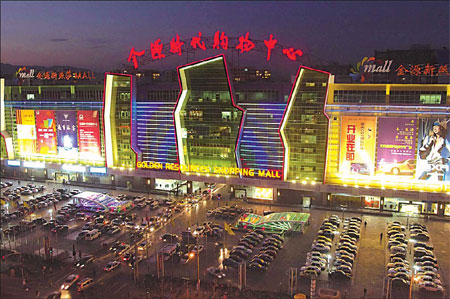
Golden Resources Shopping Mall, with six floors and a total area of 680,000 sq m, has been nicknamed the Great Mall of China. Located on Yuanda Road in Haidian district, it is 1.5 times the size of the Mall of America and was the world's largest shopping mall when it opened in 2004. [China Daily]
|
If the Olympics are a time for medals, many people earned theirs before the Games began.
These Olympians are the service providers, especially the entrepreneurs, who have changed Beijing from a city where consumers often had only one option into a city of virtually endless choices. And they have done this in less than 30 years.
For foreigners, Beijing in the 1970s was a hardship post. Here was the capital city of a nation of more than 1 billion people with one restaurant serving Peking duck, one department store for foreigners, and at most three hotels for international tourists.
This summer, Beijing welcomes an estimated 450,000 overseas tourists, including 40,000 athletes, coaches, officials, and journalists. They are expected to spend some $4.5 billion.
They find a city transformed. Beijing today offers not only superb facilities but also excellent service for visitors, whether they seek dining, shopping, or accommodations.
Dining
Once a culinary wasteland, Beijing today offers visitors a selection of restaurants, large and small, to meet every taste.
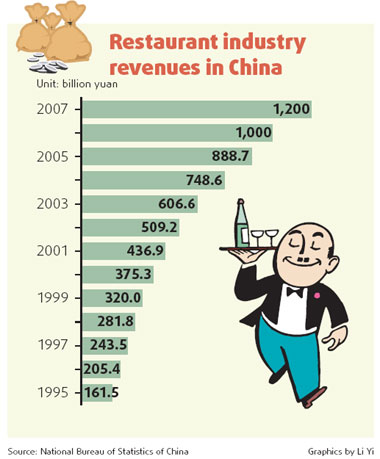
Beijing's best-known delicacy is roast duck, sometimes called Peking Duck. The place to get it used to be Quanjude, a State-owned restaurant chain. But thanks to competition, diners in search of duck can now choose from a string of new establishments, including Dadong, Liqun, Duck King, and Jiuhuashan.
Dadong takes its name from Dong Zhenxiang, a former Quanjude chef who opened his own roast duck restaurant in the 1990s. Diners enjoy its artistic decor and the distinctive pancakes in which the slices of duck are wrapped.
Dadong has exquisite service and is relatively expensive, making it a good choice for business entertaining, according to connoisseurs.
Quanjude itself has improved greatly in preparation for the Olympic Games, according to the company. However, more and more foreigners are seeking out Liqun, a small roast duck restaurant in a hutong (lane) about 30 minutes walk from the southeast corner of Tian'anmen Square.
The name of the restaurant means 'benefiting the public', but is also the given name of the owner, Zhang Liqun. The restaurant has been written up by the travel guide Lonely Planet, but its prices are still reasonable - the standard Peking duck dinner (duck, pancakes, scallions, and duck soup) costs an average of 60 yuan per person, compared with between 100 and 130 yuan per person at Dadong or nearly 150 yuan at Quanjude, according to the popular dining restaurant website, http://Beijing.fantong.com.