US benefits from Asia's arms race
 0 Comment(s)
 Print
Print E-mail People's Daily, August 10, 2012


The United States has conducted one joint military exercise after another in Asia-Pacific region especially in the waters near China since the beginning of 2012, making people concerned about a "rainstorm" that may come to Asia-Pacific region.
 |
|
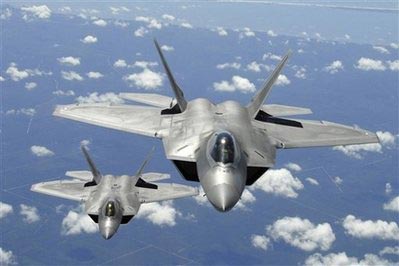
Above is a file photo of F-35 fighter jets. Japan has announced to buy 42 F-35 fighters worth 8 billion U.S. dollars from the United States. |
However, the U.S. arms dealers think differently. The eastward shift of U.S. strategic focus aims to guard against and contain China but the extension of arms market is also one of the important goals.
|
Don't miss |
The Financial Times said that Asia is trapped in a "typical arms race," which is quite beneficial to the U.S. arms dealers.
The military expenditure in Asia will surpass Europe for the first time in 2012. Japan has announced to buy 42 F-35 fighters worth 8 billion U.S. dollars from the United States. South Korea will spend 7.4 billion U.S. dollars purchasing new-generation fighters. The Philippines bought the U.S. naval vessels to be scrapped at a low price and it also plans to buy the second-hand F-16 fighters from the United States. In the next five years, India plans to invest 50 billion U.S. dollars in the equipment updating and replacing its Soviet-era equipment. Even Singapore will also increase its arms cost to 4 billion U.S. dollars in the next five years, an increase of nearly 60 percent.
China indeed needs to strengthen its national defense and realize military modernization, but it never will fall into the "arms race." China advocates peaceful settlement of historical issues and strives for win-win cooperation. It will not, as what some people with ulterior motives in the United States and Japan had said, "exert military muscle" to provoke the arms race. The wishful thinking of the United States will finally be failed.


Go to Forum >>0 Comment(s)