Innovations that can ensure food security
 0
0 


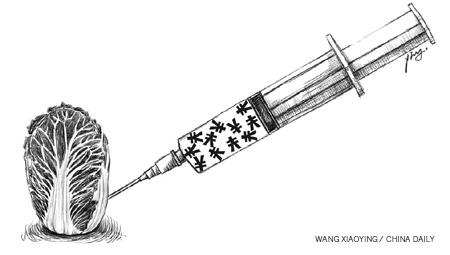
Chinese farmers and consumers are feeling the impact of fluctuating food prices. But instead of relying on just a few crops, farmers in China should diversify the crops they grow. And policymakers and provincial governments should focus on strengthening local markets to ensure that farmers can sell their products to earn enough income to support their livelihoods.
Seventy percent of the world's food supply comes from just three grains - corn, wheat and rice - and 80 percent of our plant-based food intake comes from just 12 plant species - eight grains and four tubers. As markets fluctuate, climate change takes hold and the global population continues to grow, we need to find a recipe for increasing our resilience to these shocks.
Rising wheat prices are affecting the cost of other grains, dairy products and meat in China and the rest of the world. The extreme weather in recent years - excessive snow, droughts and floods - has been the worst in generations and affected the yields of farmers in China, as well as other countries in the region. This has caused the prices of noodles, cooking oil and other food products to rise sharply.
Some food factories which used to mainly produce instant noodles are producing a variety of new products to secure profit amid high wheat prices to avoid being affected by any single factor.
Worldwide, agriculture relies heavily on just a handful of staple crops. This makes our food supply vulnerable to shocks, including the current drought in the key wheat-growing province of Shandong, which is the worst in 40 years. Instead, Chinese farmers should be planting a wider variety of crops to build a more resilient food system.
While all crops are vulnerable to risks, researchers have found that vegetables tend to be more dependable than staple crops, because they have shorter cycles, grow faster and require less space. Indigenous vegetables are especially hardy because they are more resistant to pests and diseases than other plants. And they need less irrigation and expensive chemicals, helping small-scale farmers save money.


Go to Forum >>0 Comments