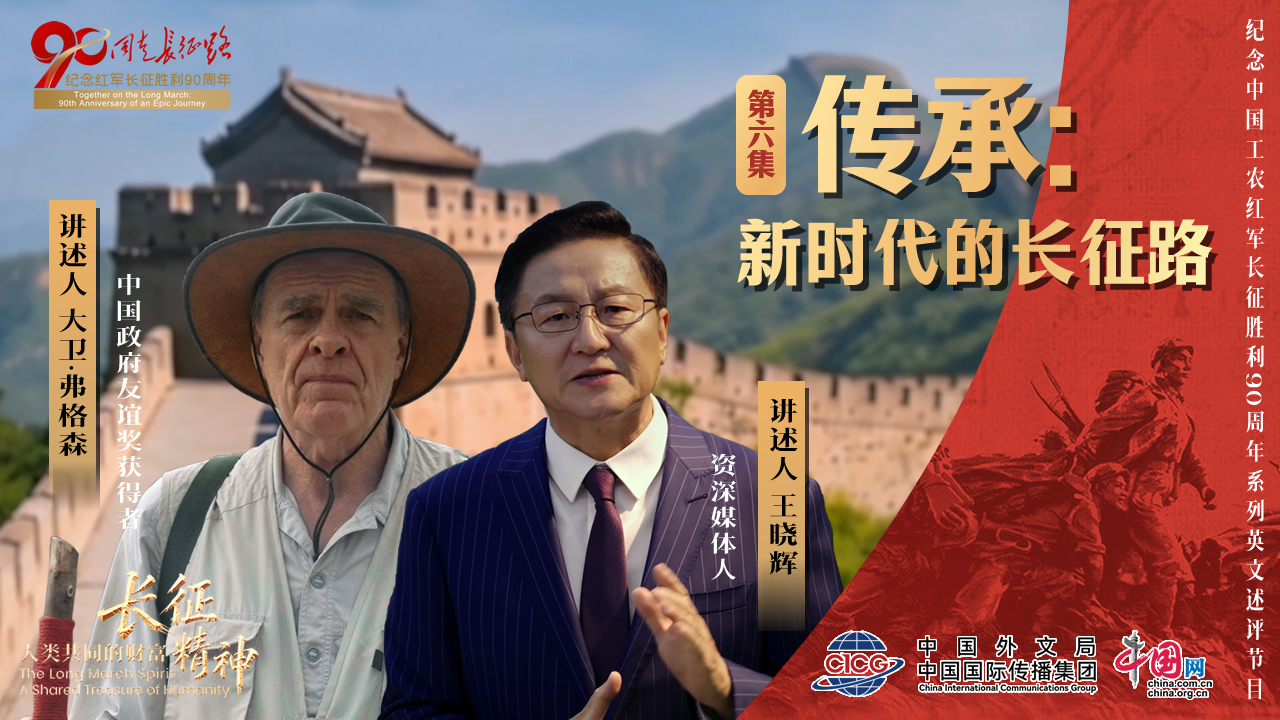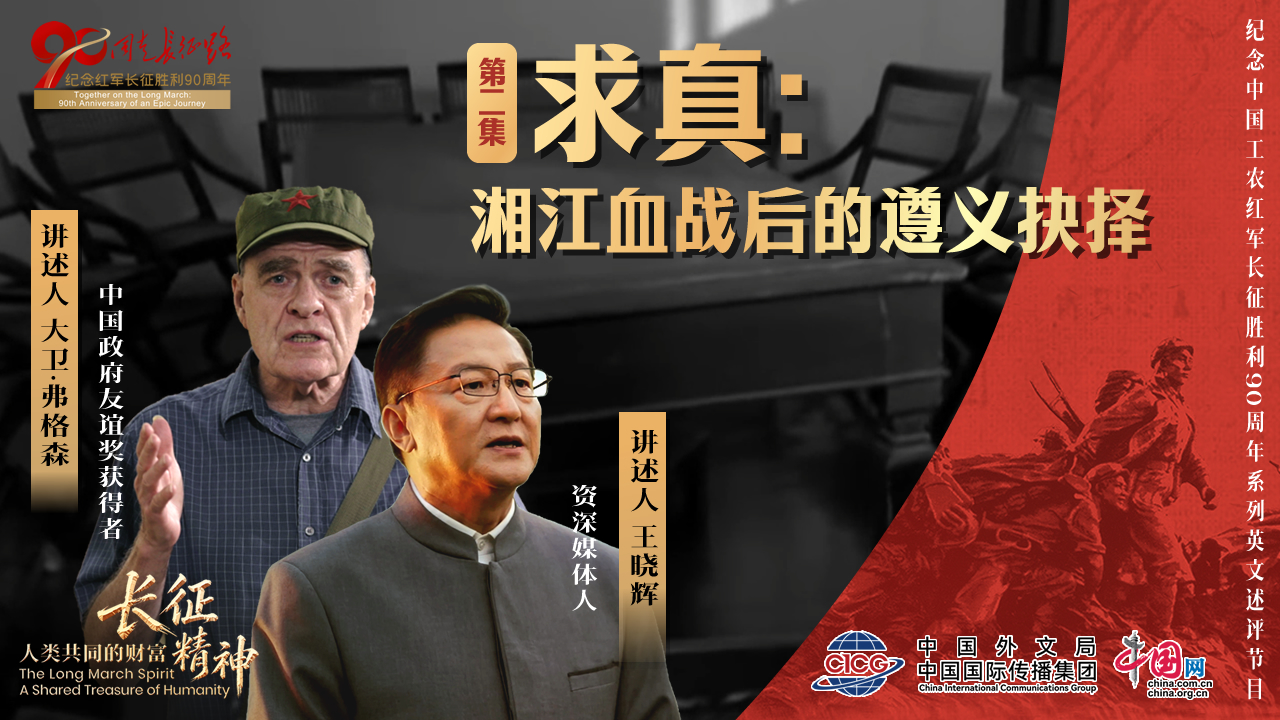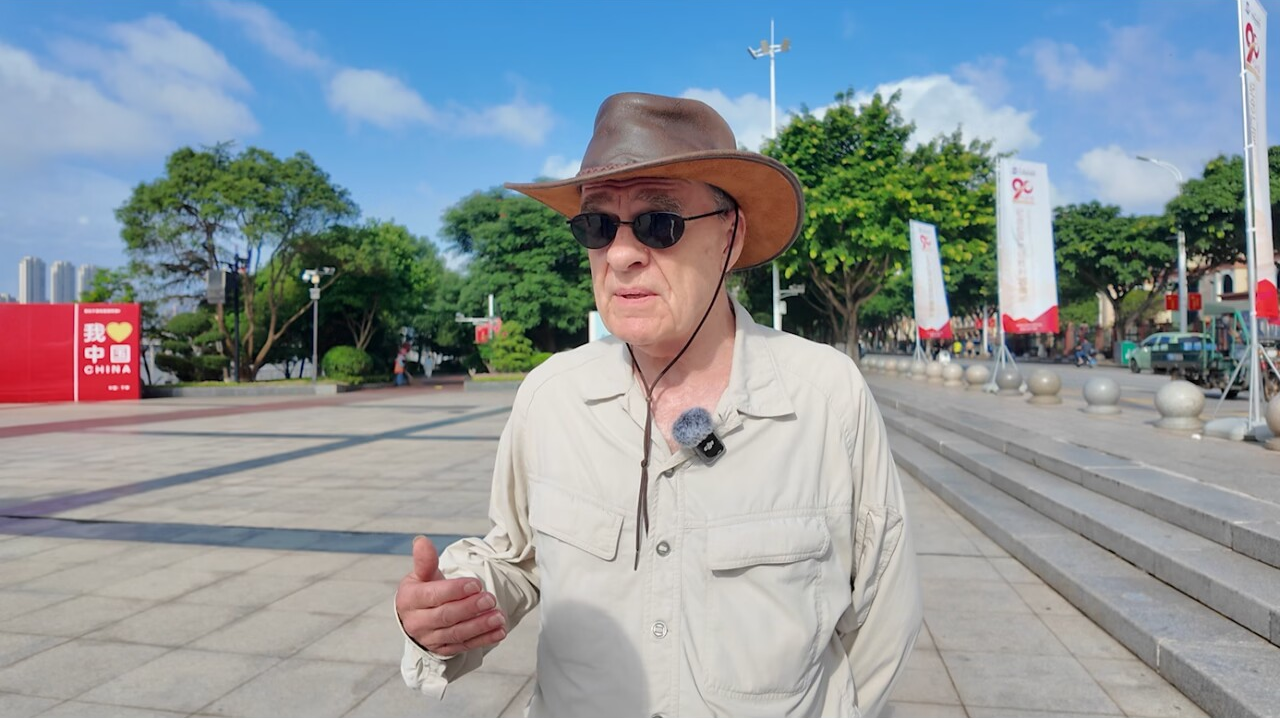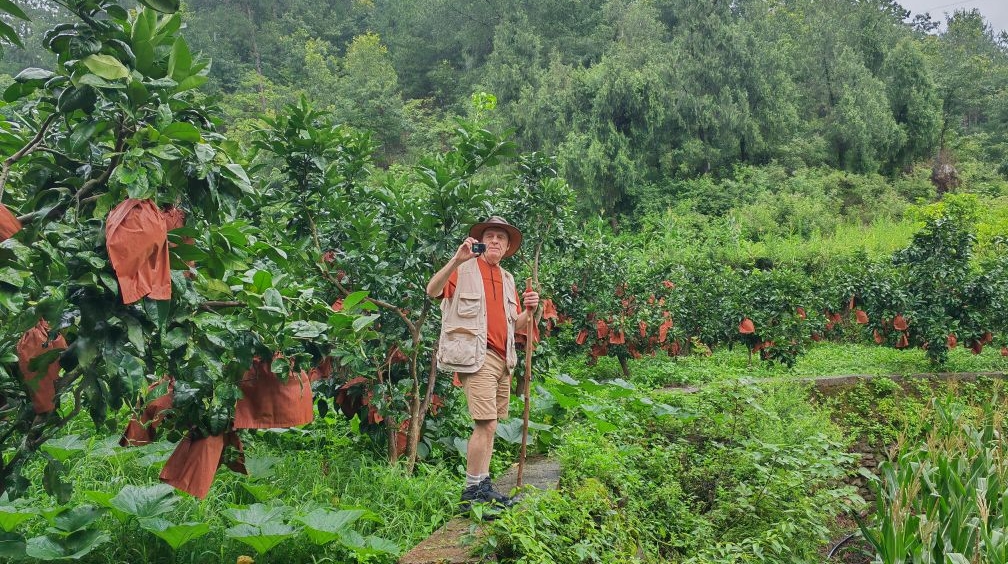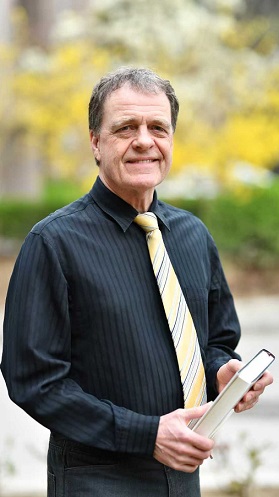
David Ferguson
Honorary Chief English Editor of Foreign Languages Press of China International Communications Group (CICG); Recipient of 2021 Chinese Government Friendship Award
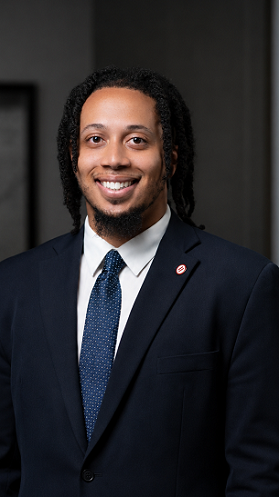
Zhavier Harris
Marketing and Communications Manager of Springfield Urban League
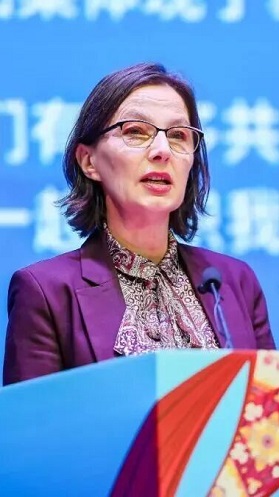
Soldat Tatjana
Director of the Serbian Cultural Center in Beijing
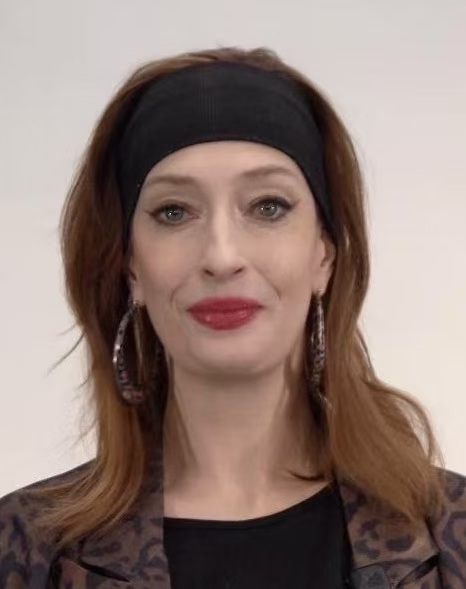
Elsbeth van Paridon
Sinologist; Foreign Expert at the Center for the Americas of China International Communications Group (CICG)
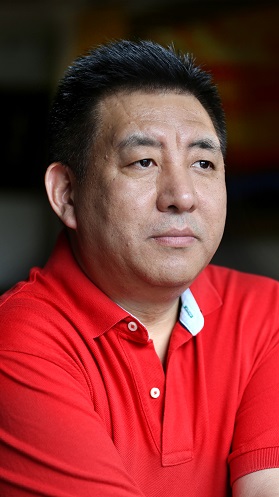
Yan Dong
Chinese Documentary Filmmaker;
Vice Chairperson of Documentary Academic Committee, China Television Artists Association (CTAA)
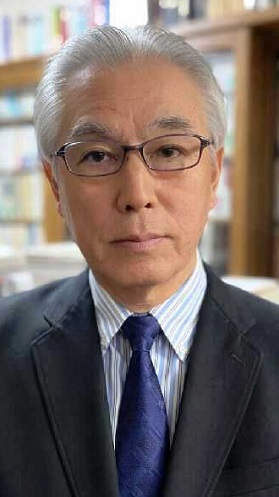
Tomoyoshi Kimura
Senior Media Professional from Japan; Former NHK Anchor; Director, Northeast Asia Dynamics Study Group
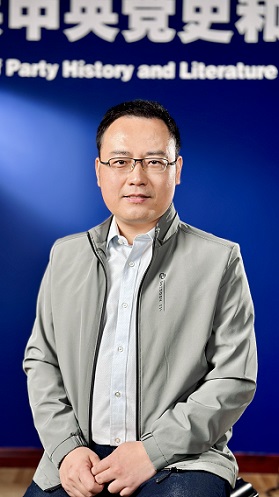
Zeng Jun
Deputy Director, Department of Manuscript and Research Archives Management, Institute of Party History and Literature of the CPC Central Committee; Council Member, Chinese Academy of Mao Zedong's Poems
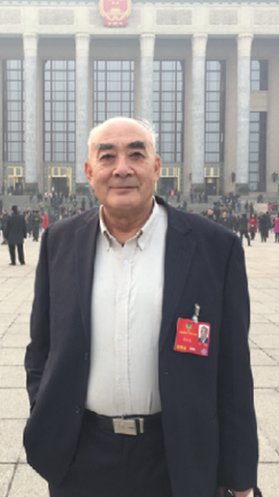
Zhou Youma
President, George Hatem Foundation; Member of Foreign Affairs Committee, CPPCC National Committee; Son of International Communist Fighter George Hatem (Ma Haide)
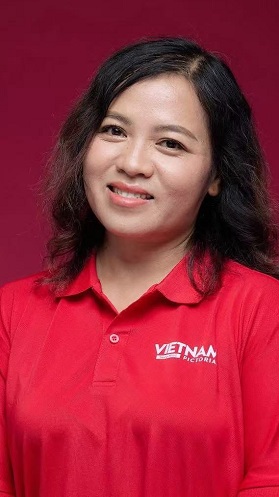
Ha Thi Tuong Thu
Deputy Editor-in-Chief, Vietnam Pictorial; Member of Executive Committee, Vietnam-China Friendship Association
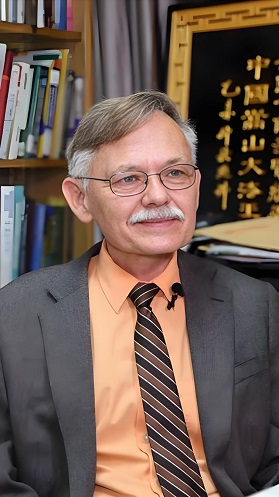
William N.Brown
Professor (Retired), School of Management, Xiamen University; First Foreign National Recipient in Fujian Province of Chinese Permanent Residence Permit; Honorary Citizen of Xiamen
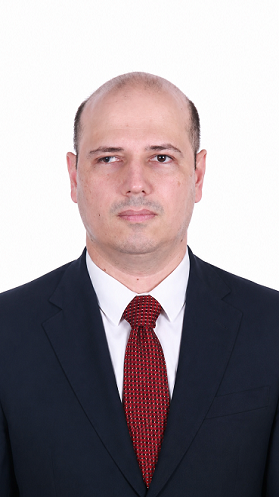
Rafael Henrique Zerbetto
Brazilian Expert,Center for Asia and Pacific,China International Communications Group (CICG); Recipient of 2025 Chinese Government Friendship Award
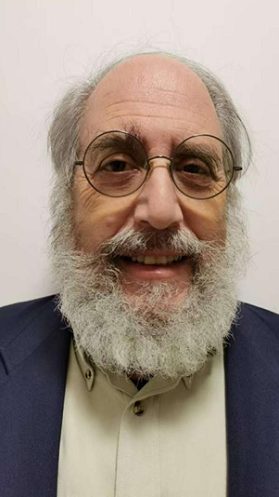
Mark Levine
Professor, Minzu University of China;
Recipient of 2014 Chinese Government Friendship Award
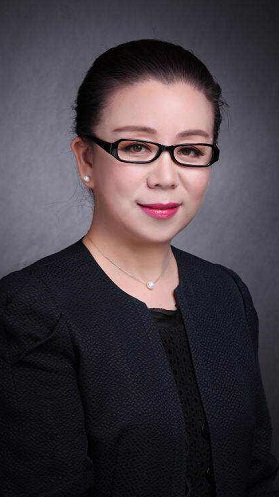
Dandi Wang
Senior Media Worker from New Zealand; President, Prime Media Corporation; Executive Chairman,Oceania Center for Cultural Communication
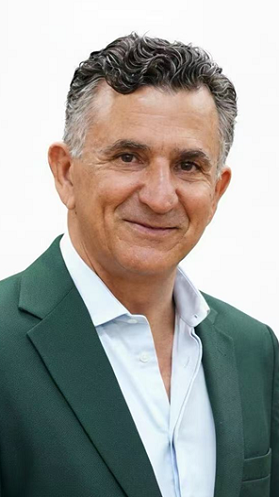
Nicos Ioannou
Member of Central Committee, Progressive Party of Working People, Cyprus
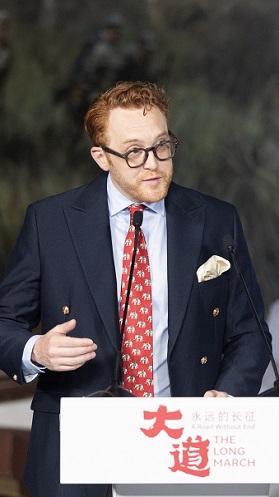
Romuald Bronchart
Media & Communications Professional from Belgium
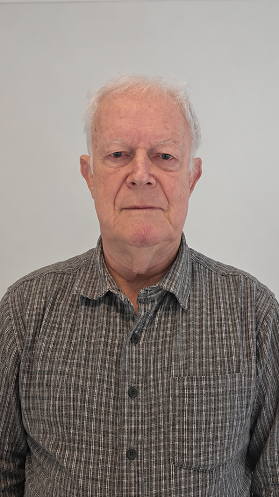
Dave Bromwich
Recipient of 2019 Chinese Government Friendship Award; Former President, New Zealand China Friendship Society; Advisor to Shandan Bailie School
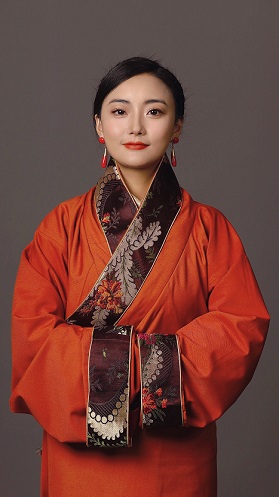
Drolkar Lhamo
Host and Director at Kangba TV

Hashem Mohammadi
Social Media Content Creator
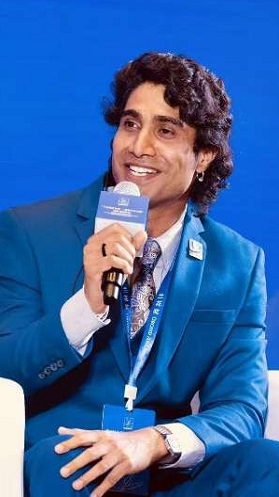
Devinder Kumar
Media Professional from India; Foreign Expert, Host and Journalist, Center for Europe and Asia (China Pictorial), China International Communications Group (CICG)
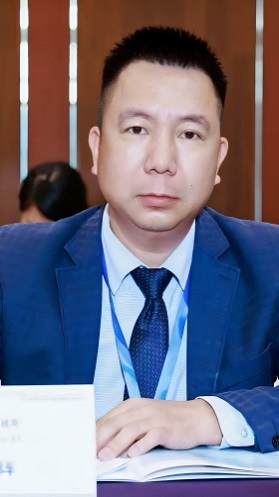
Duong Van Huy
Associate Professor; Senior Research Fellow; Director of International Cooperation Department, Institute for Asia-Pacific Studies, Vietnam Academy of Social Sciences